
 Pin It
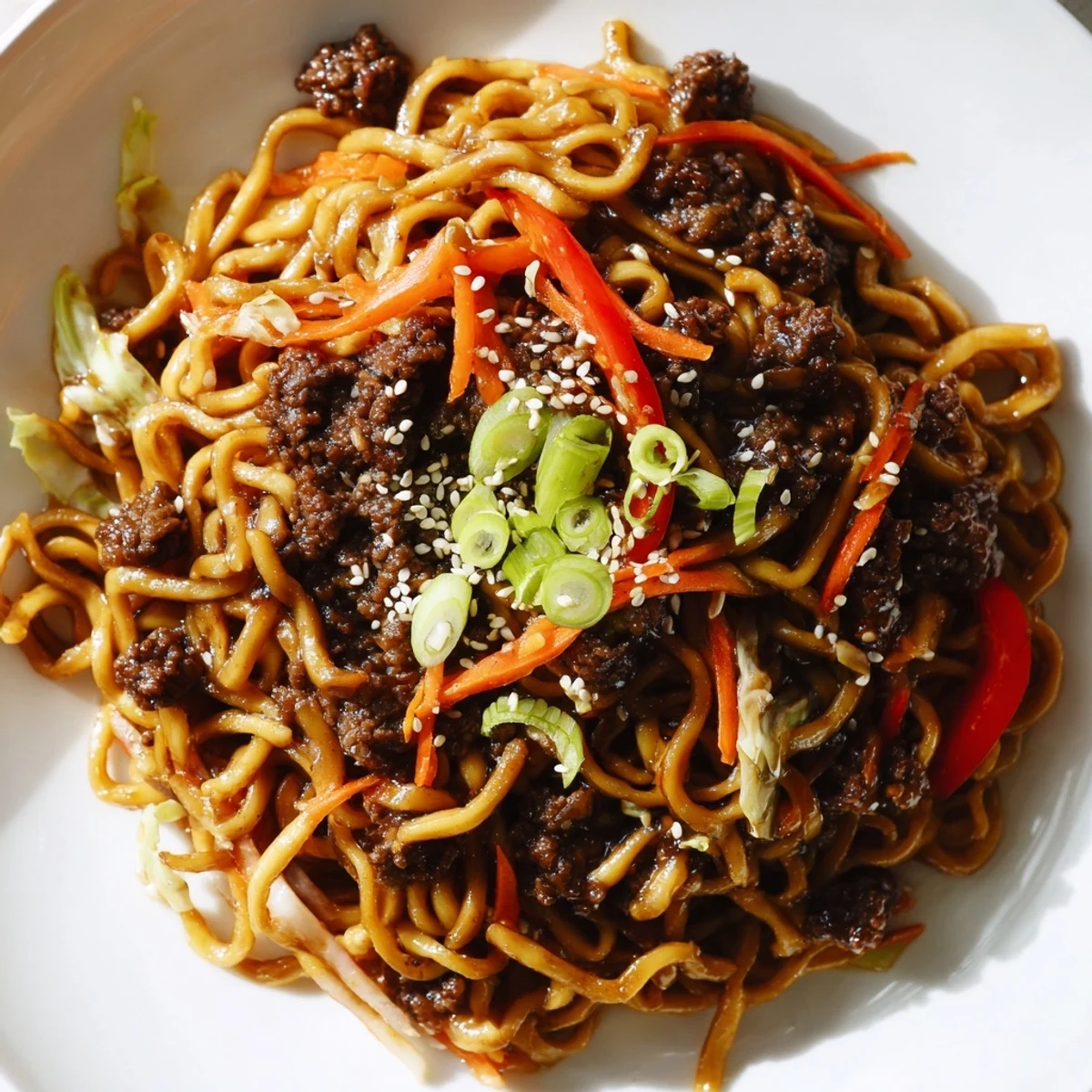
 This hearty noodle dish brings together savory ground beef, crisp vegetables, and a rich Asian-inspired sauce for a complete meal that comes together in just 35 minutes. The combination of soy, oyster, and hoisin sauces creates a deep umami flavor that coats every strand of noodle, while fresh vegetables add crunch and color to each bite. Perfect for busy weeknights when you want something satisfying without spending hours in the kitchen.
I stumbled onto this combination during a chaotic Tuesday when takeout felt like too much effort but I needed something that actually tasted like I cared about dinner. The kitchen was already messy from the day, but the sizzle of garlic hitting hot oil made everything feel intentional. Now it is the meal my friends request when they come over, convinced it took hours to perfect.
Last winter my sister showed up unexpectedly while I was making this, and she stood by the stove stealing noodle strands straight from the wok with her fingers. We ended up eating standing up, leaning against the counter, talking about everything and nothing while the steam fogged up my glasses. That is the kind of dinner this is.
Ingredients
- 450 g (1 lb) ground beef: I use 85% lean because you need that bit of fat to carry all the sauce flavors through the noodles
- 250 g (9 oz) dried egg noodles or ramen noodles: Egg noodles grab sauce beautifully, but ramen works if that is what you have in your pantry
- 1 medium carrot, julienned: The crunch here matters, so take the extra minute to cut them thin rather than chunks
- 1 red bell pepper, thinly sliced: Adds sweetness and color that makes the whole dish feel brighter
- 3 green onions, sliced: Use both white and green parts for different layers of flavor
- 2 cups (120 g) shredded cabbage: This sounds strange but it wilts into the sauce and becomes tender and sweet
- 2 cloves garlic, minced: Fresh garlic only, nothing jarred will give you the same punch
- 1 tablespoon fresh ginger, grated: Peel it with a spoon and grate it directly into the pan
- 60 ml (1/4 cup) soy sauce: This is your salt, so taste before adding any extra
- 2 tablespoons oyster sauce: The secret ingredient that makes it taste like you ordered from the good place downtown
- 1 tablespoon hoisin sauce: Adds a molasses depth that balances the salty soy
- 1 tablespoon brown sugar: Helps caramelize everything and takes the edge off the salty sauces
- 1 teaspoon sesame oil: A little goes a long way, so measure carefully
- 1/2 teaspoon crushed red pepper flakes: Start here, add more if you like it to actually bite back
- 60 ml (1/4 cup) water: Thins the sauce just enough so it coats rather than clumps
- 1 tablespoon sesame seeds: Toast them in a dry pan for 30 seconds first if you remember
- Fresh cilantro or green onion, chopped: I almost always forget this until plating but it really makes it look finished
Instructions
- Get your noodles going first:
- Cook them according to the package, then drain and rinse with cold water so they do not keep cooking and get mushy while you work on everything else.
- Whisk up your sauce:
- Mix the soy sauce, oyster sauce, hoisin, brown sugar, sesame oil, red pepper flakes, and water in a small bowl until the sugar dissolves completely.
- Brown the beef properly:
- Heat your wok or skillet over medium-high and add the ground beef, breaking it up with your spoon and letting it get deeply browned in spots.
- Wake up the aromatics:
- Toss in the garlic and ginger and stir for just one minute until you can really smell them, watching carefully so they do not burn.
- Add the hard vegetables:
- Throw in the carrot, bell pepper, and cabbage and stir-fry for 3 to 4 minutes until they soften slightly but still have some snap.
- Bring it together with sauce:
- Pour in that sauce you made and let everything bubble for 2 minutes while the sauce thickens slightly.
- Add the noodles:
- Dump in your cooked noodles and toss everything together until each strand is glossy and coated.
- Finish it right:
- Sprinkle with sesame seeds and whatever fresh herbs you managed to prep.
 Pin It
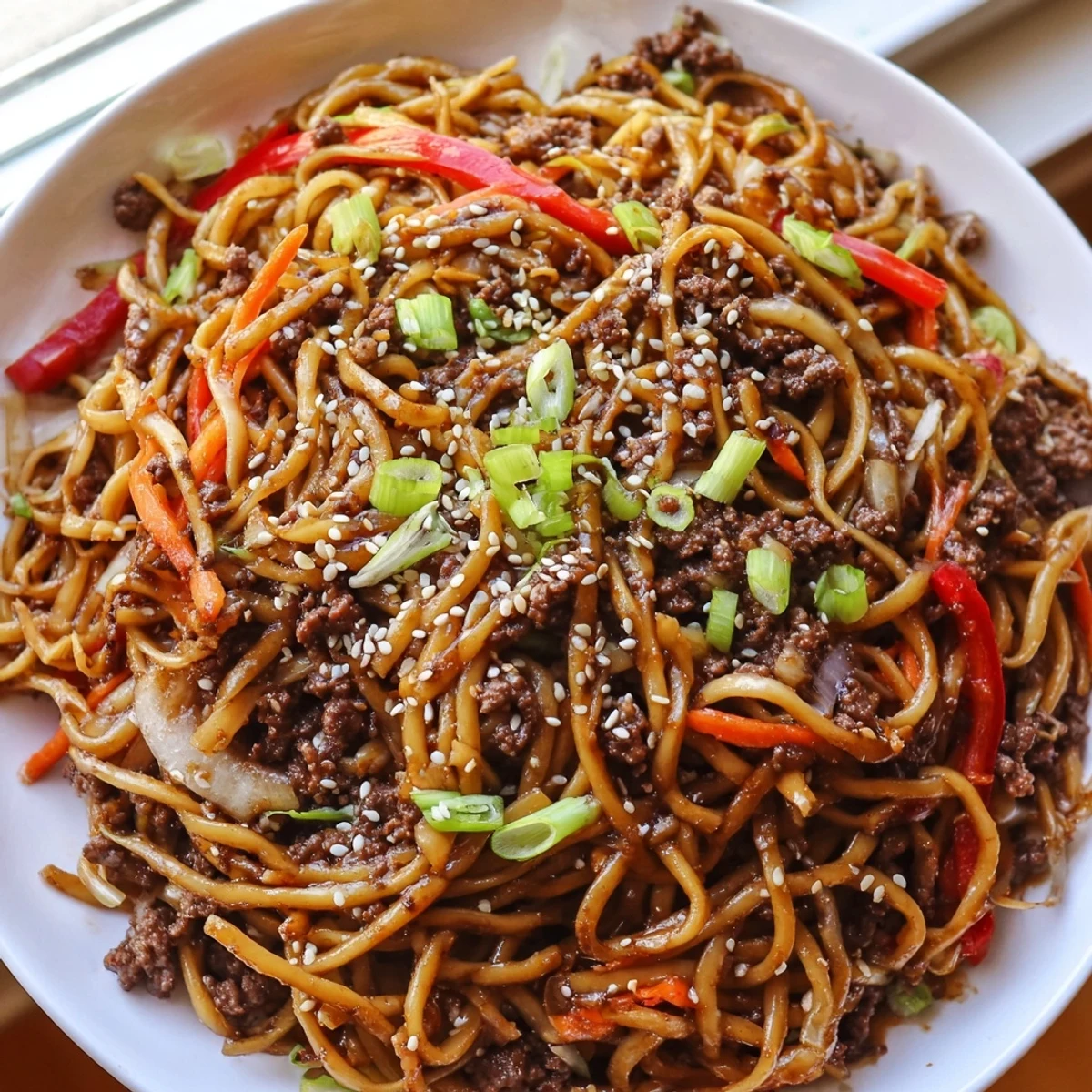
 This has become the meal I make when friends are going through hard times. Something about slurping noodles together makes conversations easier, and no one leaves hungry.
Making It Your Own
I swap ground pork for beef sometimes, and honestly, I cannot decide which I prefer. Pork brings a sweetness that plays really nicely with the hoisin, but beef stands up to the bold sauce better.
Vegetable Hacks
When I am feeling lazy, I buy a bag of pre-shredded coleslaw mix instead of cutting cabbage and carrots separately. No one has ever noticed the difference, and it saves me ten minutes.
Sauce Secrets
Double the sauce and keep half in a jar in your fridge. I have used it on rice bowls, as a dip for dumplings, and even marinated chicken thighs in it on busy nights.
- Thin leftover sauce with a splash of vinegar for an instant salad dressing
- Add a spoonful of peanut butter to make it a satay noodle situation
- The sauce keeps for two weeks, which has saved me on more than one desperate evening
 Pin It
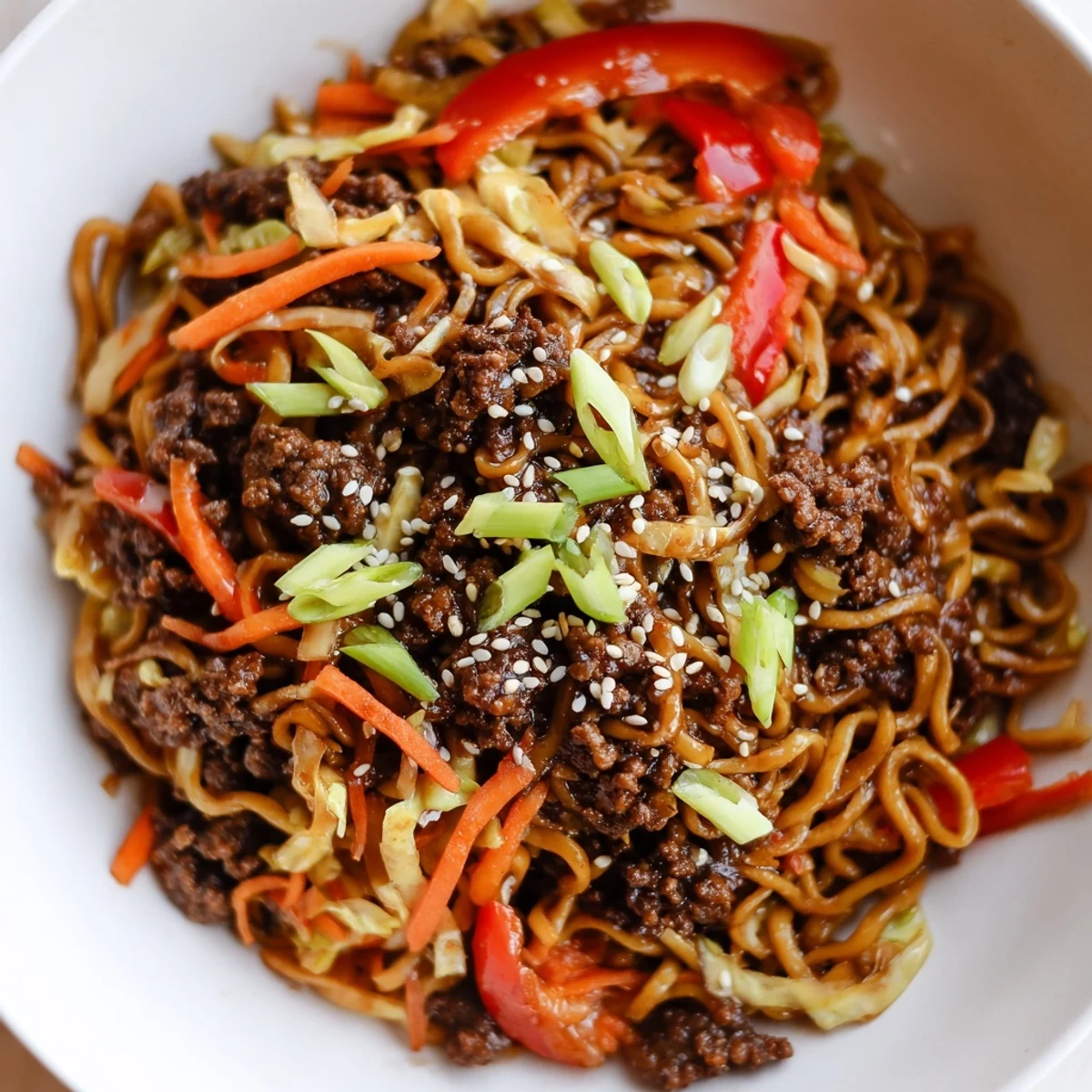
 Leftovers reheat beautifully with a splash of water to loosen the noodles, though I usually eat cold noodles standing at the fridge the next afternoon. Either way works.
Recipe FAQs
- → Can I use different types of noodles?
-
Yes, you can substitute dried egg noodles or ramen with udon, soba, rice noodles, or even spaghetti. Just adjust cooking time according to package directions.
- → How spicy is this dish?
-
The base version has mild heat from optional red pepper flakes. You can easily adjust spiciness by adding more flakes, sriracha, or chili paste to your taste preference.
- → Can I make this gluten-free?
-
Absolutely. Use tamari instead of soy sauce and choose gluten-free noodles. Verify that your oyster and hoisin sauces are certified gluten-free or use suitable alternatives.
- → How long do leftovers keep?
-
Store in an airtight container in the refrigerator for up to 3 days. Reheat gently in a skillet or microwave, adding a splash of water if needed to prevent drying.
- → Can I add more vegetables?
-
Certainly. Mushrooms, snap peas, baby corn, broccoli, or bok choy work beautifully. Add vegetables that take longer to cook earlier in the stir-frying process.
- → Is oyster sauce essential?
-
Oyster sauce adds deep umami flavor, but you can substitute with additional hoisin sauce, vegetarian stir-fry sauce, or a combination of soy sauce and mushroom broth.