
 Pin It
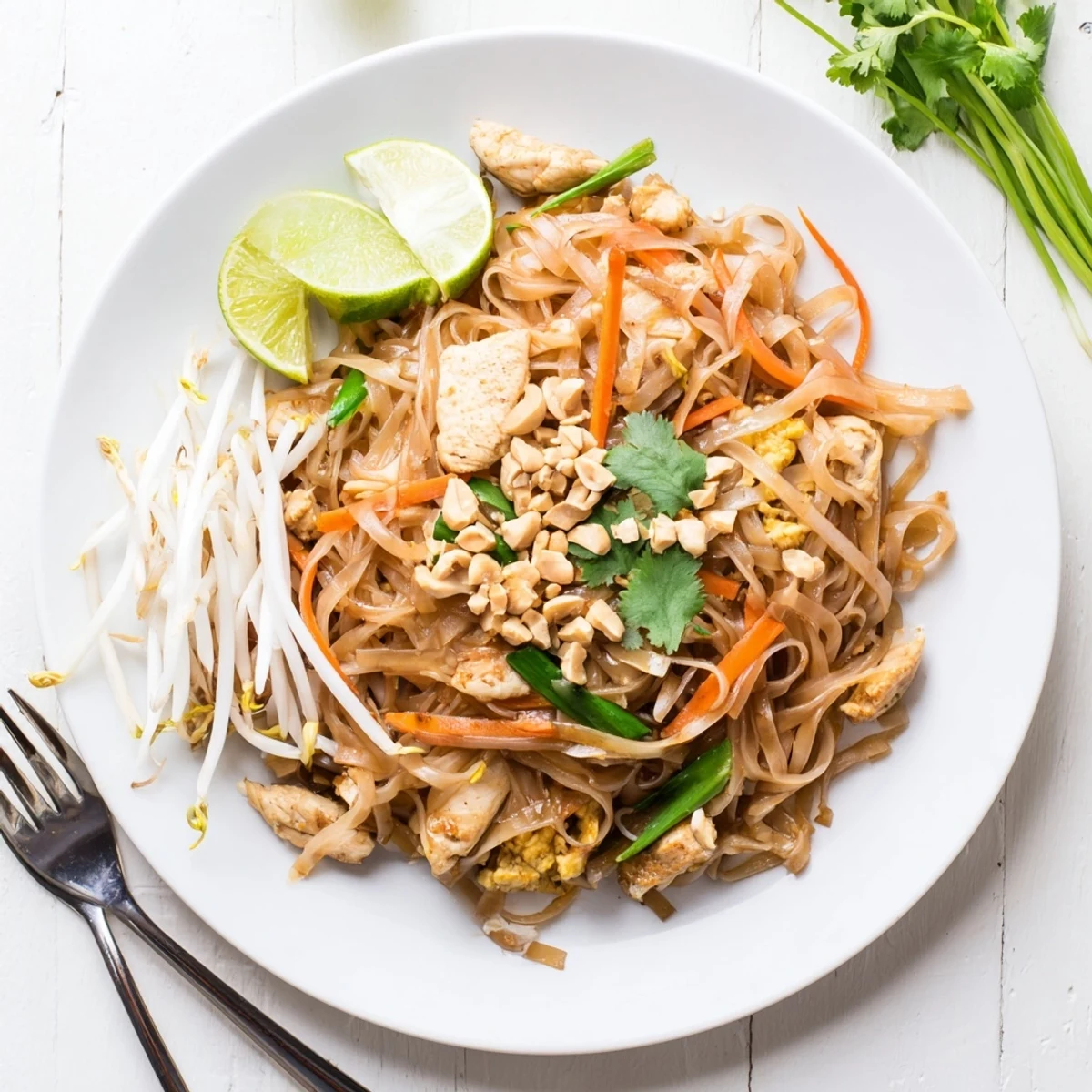
 This classic Thai dish brings together tender chicken pieces, soft rice noodles, and a perfectly balanced sauce featuring tangy tamarind, savory fish sauce, and sweet palm sugar. The dish comes together in just 40 minutes, making it ideal for busy weeknights when you want something special.
What sets this version apart is the authentic preparation method—soaking noodles until pliable, cooking aromatics until fragrant, and finishing with fresh garnishes like roasted peanuts, cilantro, and lime wedges. The result is a harmonious blend of textures and flavors that rivals your favorite Thai restaurant.
The steam curling up from my wok that first Tuesday evening carried this impossible sweet-tangy aroma that stopped my roommate in her tracks on her way to the fridge. She stood there watching, probably skeptical about my attempt to recreate our favorite takeout dish, until I slid that first plate across the counter. One bite later, she was already asking when I could make it again, and honestly, I felt like I had unlocked some secret cooking superpower.
Last month, my neighbor smelled the garlic hitting the hot oil and actually knocked on my door to investigate. I ended up teaching her the technique right there in my kitchen, and now we have this unspoken agreement that whoever makes pad thai has to share. There is something magical about watching someone take that first bite and realize homemade can actually taste better than delivery.
Ingredients
- 400 g boneless skinless chicken breast or thighs: Thinly slicing against the grain keeps every bite tender and lets the protein soak up that sauce
- 2 large eggs: Room temperature eggs scramble better in the hot wok and create those silky ribbons throughout the noodles
- 250 g dried flat rice noodles: Soak them just until pliable, not mushy, because they will finish cooking in the sauce
- 3 tbsp fish sauce: This brings the essential salty umami foundation that makes the dish taste authentic
- 2 tbsp tamarind paste: The secret ingredient that gives pad thai its signature tangy depth
- 2 tbsp palm sugar or light brown sugar: Balances the acidity and creates that glossy sauce coating
- 1 tbsp soy sauce: Adds color and rounds out the seasoning profile
- 3 tbsp vegetable oil divided: High smoke point oil is crucial for stir-frying without burning
- 3 garlic cloves minced: Fresh garlic, never jarred, makes all the difference in the aromatic base
- 1 small shallot finely chopped: Shallots have a sweeter, more delicate flavor than onions
- 100 g bean sprouts: Adds that essential crunch and fresh contrast to the soft noodles
- 2 spring onions sliced: Use the white parts for cooking and green parts for garnish
- 1 small carrot julienned optional: Pretty addition that adds subtle sweetness
- 60 g roasted unsalted peanuts: Roughly chopped peanuts provide the classic crunchy topping
- 1 lime cut into wedges: Fresh lime juice brightens everything right before serving
- Fresh cilantro leaves: Brings herbal freshness and color
- Chili flakes optional: Let everyone add their own heat level at the table
Instructions
- Prep the noodles:
- Soak rice noodles in warm water for 20 to 30 minutes until pliable but still firm. Drain well and set aside.
- Mix the sauce:
- Whisk together fish sauce, tamarind paste, sugar, and soy sauce until sugar completely dissolves.
- Cook the chicken:
- Heat 1½ tbsp oil in a large wok over medium-high heat. Add sliced chicken and stir fry until just cooked through, then remove and set aside.
- Bloom the aromatics:
- Add remaining oil to the wok, then sauté garlic and shallot for 30 seconds until fragrant but not browned.
- Scramble the eggs:
- Push aromatics to the side, crack in eggs, and scramble until just set.
- Combine everything:
- Add noodles and sauce to the wok. Toss constantly until noodles are evenly coated and softened.
- Finish the dish:
- Return chicken to the wok with bean sprouts, spring onion whites, and carrot. Stir fry for 2 to 3 minutes until everything is heated through.
- Garnish and serve:
- Top with peanuts, spring onion greens, cilantro, lime wedges, and chili flakes. Serve immediately while hot.
 Pin It
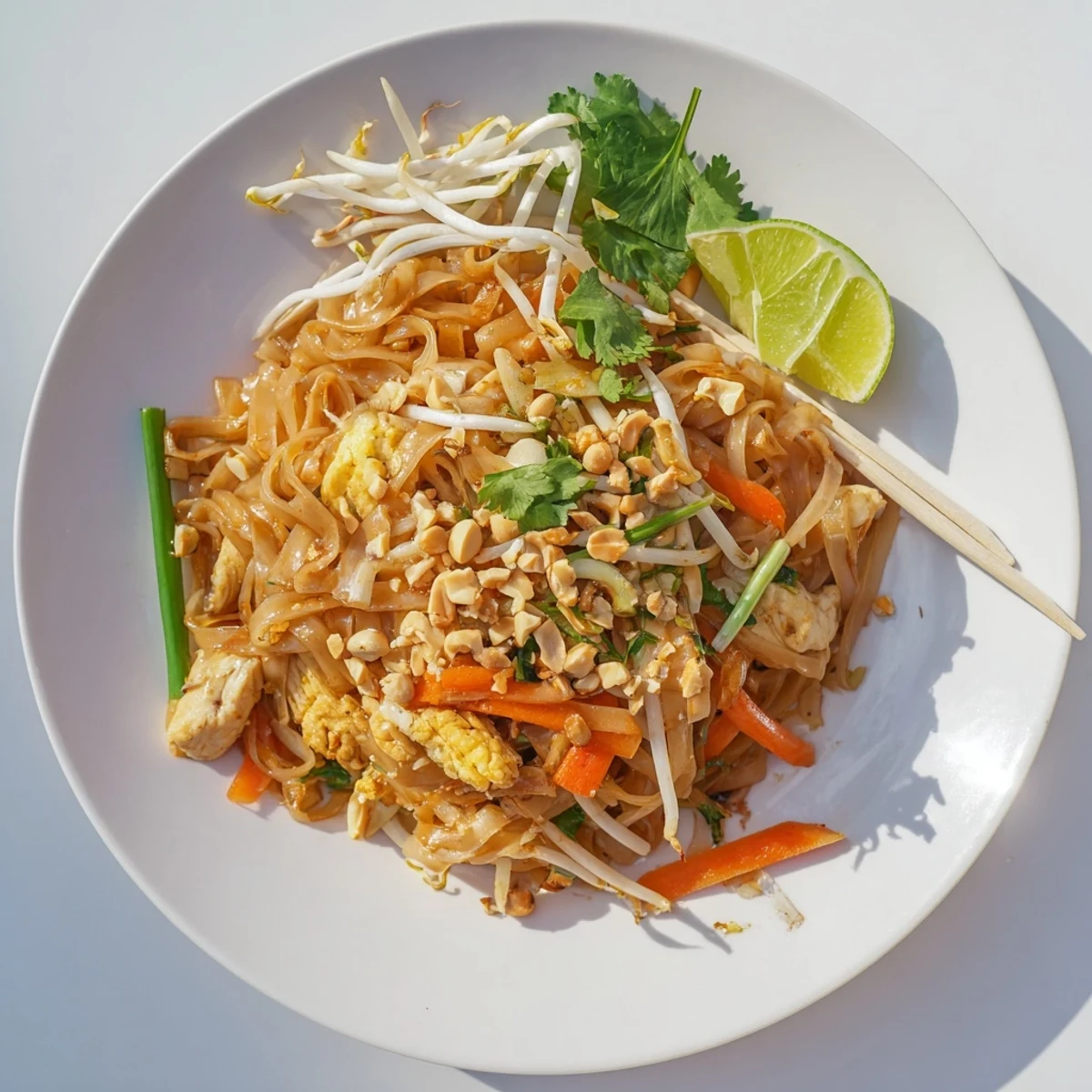
 This recipe became my go-to for stressful work weeks. Something about the rhythm of stir-frying, the sizzling sounds, and that first taste of the finished dish grounds me like nothing else. My partner actually requests it on tough days now, saying the kitchen smells like comfort.
Getting The Sauce Right
The balance of tangy, sweet, and salty takes some practice to get exactly right. I always taste my sauce mixture before adding it to the noodles, adjusting slightly if it needs more acid or sweetness. Trust your palate here, every brand of tamarind paste and fish sauce has a different intensity.
Noodle Selection And Prep
Look for rice noodles specifically labeled for pad thai, usually about ¼ inch wide. Thinner noodles work but they break more easily during tossing. The soaking step is worth paying attention to, you want them flexible enough to bend without snapping but still with some chew left in the center.
Perfecting Your Wok Technique
High heat and constant movement are the secrets to restaurant-style pad thai at home. Do not be afraid to let the noodles develop slight char marks, that is where the flavor lives.
- Preheat your wok until it is lightly smoking before adding oil
- Keep everything moving once the noodles hit the pan
- Work in batches if your wok seems overcrowded
 Pin It
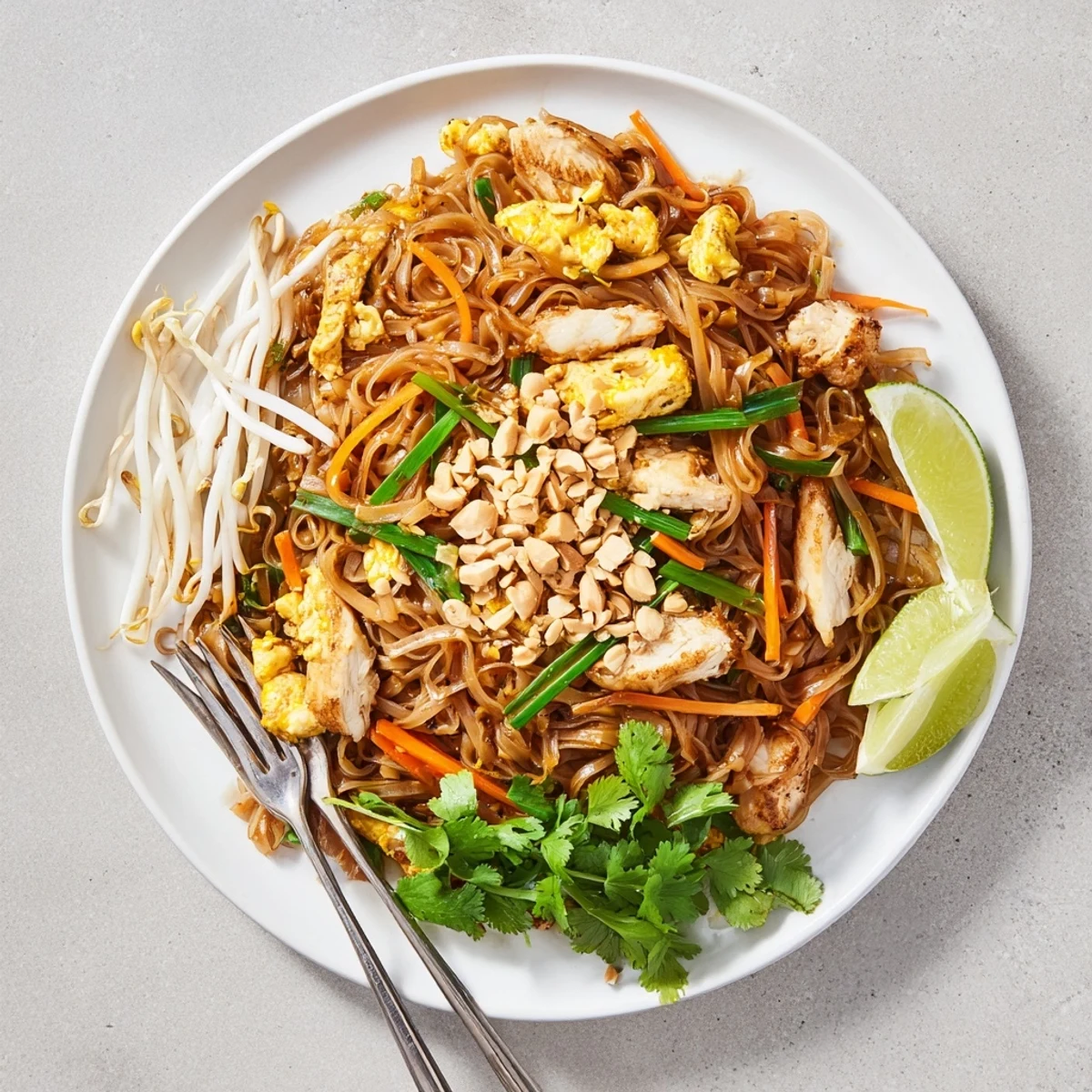
 Grab your forks and maybe some extra napkins. This pad thai is about to become your new weeknight obsession.
Recipe FAQs
- → Can I make pad thai ahead of time?
-
Pad thai tastes best when served immediately, but you can prep components in advance. Soak noodles and make the sauce up to 4 hours ahead. Cook everything just before serving to maintain the ideal texture of the rice noodles.
- → What's the best way to store leftovers?
-
Store cooled pad thai in an airtight container in the refrigerator for 2-3 days. Reheat gently in a wok with a splash of water or oil. The noodles may soften slightly—refresh with extra lime and crushed peanuts before serving.
- → Can I use different noodles?
-
Flat rice noodles are traditional, but you can substitute wide rice vermicelli or even egg noodles in a pinch. Avoid using Italian pasta as the texture and flavor won't match authentic pad thai.
- → How do I make it vegetarian?
-
Replace chicken with firm tofu cubes and substitute fish sauce with soy sauce or a vegetarian fish sauce alternative. The cooking method remains the same—press tofu first for better texture and flavor absorption.
- → Why do my noodles stick together?
-
Noodles often stick when over-soaked or not drained properly. Soak just until pliable, drain thoroughly, and toss with a small amount of oil before cooking. Keep everything moving in the wok to prevent clumping.
- → Is palm sugar essential?
-
Palm sugar provides authentic caramel notes, but light brown sugar makes an excellent substitute. Use slightly less brown sugar as it can be sweeter. The key is balancing sweet, sour, and salty elements in the sauce.