
 Pin It
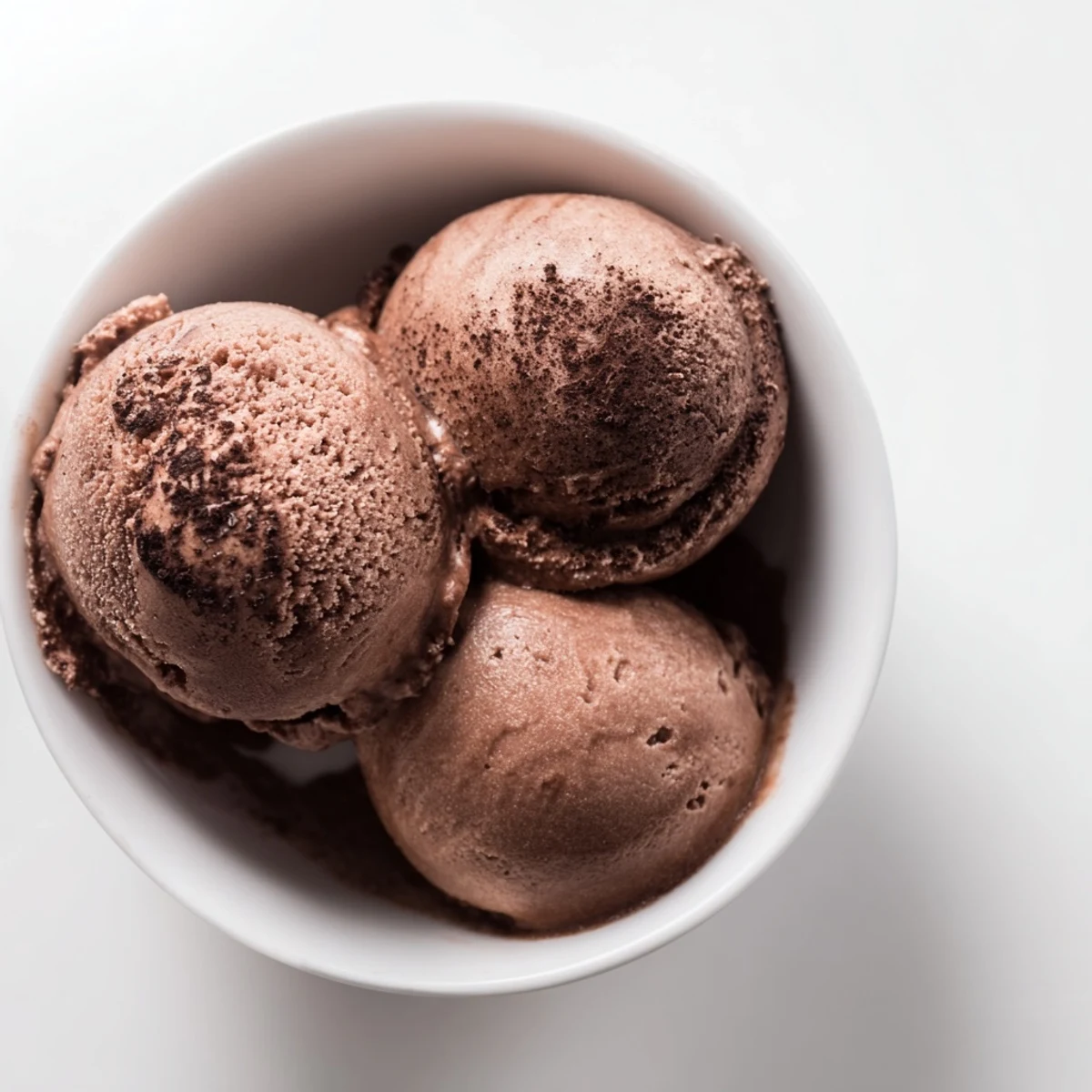
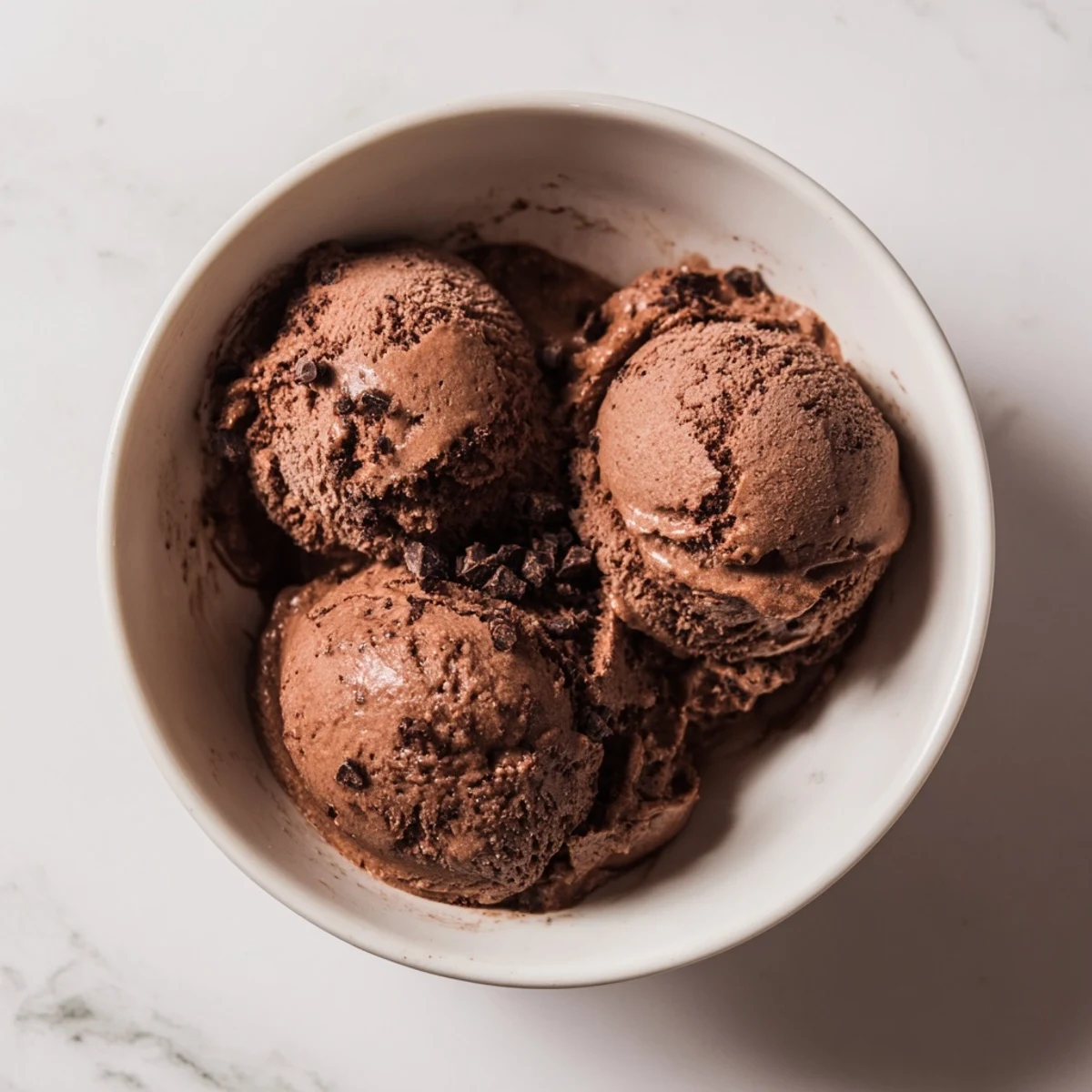
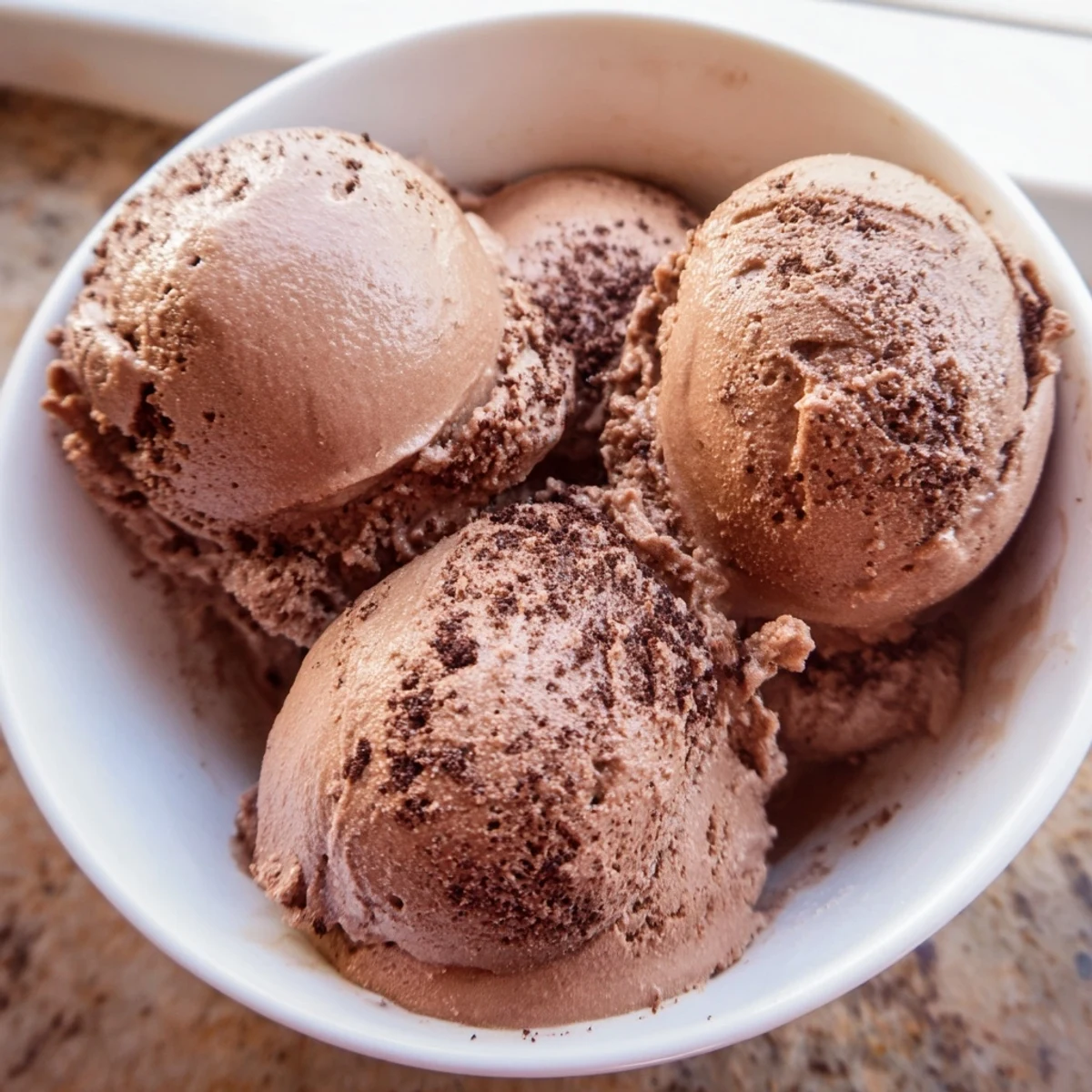
 This innovative frozen dessert combines the intense richness of dark chocolate with the subtle tanginess of sourdough starter, creating a complex flavor profile that surprises and delights. The custard-based foundation delivers exceptional creaminess while the sourdough adds distinctive depth and slight acidity that perfectly balances the chocolate's sweetness. Perfect for those seeking adventurous desserts that push traditional boundaries.
The ice cream maker sat on my counter for three months before I finally worked up the nerve to use it, and the first batch was a disaster that pooled into a sad chocolate puddle. That failure sent me down a rabbit hole of custard ratios and tempering techniques until one bleary Tuesday night I dumped sourdough discard into the base on a whim. The result was something I still crave: deep, dark chocolate with a faint fermented tang that makes people close their eyes on the first bite.
I brought a batch of this to a friends potluck last summer, fully expecting polite nods and moved on to other desserts on the table. Instead, people kept drifting back to the freezer for seconds, and someone actually asked if they could take the remaining container home.
Ingredients
- Whole milk (1 1/2 cups): The foundation of the base, and whole milk matters here because lower fat versions leave the texture flat.
- Heavy cream (1 1/2 cups): This is where the scoopable magic lives after freezing.
- Granulated sugar (1/2 cup): Split between the custard and the yolk mixture so nothing gets too sweet.
- Egg yolks (4 large): Tempered carefully, they create the silky body that separates real ice cream from the frozen yogurt vibe.
- Salt (1/4 tsp): Just enough to sharpen the chocolate without announcing itself.
- Dark chocolate 70% cacao, chopped (4 oz): Chop it small so it melts fast and evenly into the hot custard.
- Unsweetened cocoa powder (1/4 cup): Deepens the chocolate flavor beyond what chopped bar alone can do.
- Active sourdough starter or discard, room temperature (1/2 cup): The star player that brings tang and a barely there bready aroma.
Instructions
- Warm the dairy:
- Pour the milk, cream, and half the sugar into a saucepan over medium heat until you see steam curling off the surface, but never let it boil.
- Prep the yolks:
- Whisk the egg yolks with the remaining sugar and salt in a bowl until the mixture turns pale yellow and looks slightly thicker.
- Temper gently:
- Stream about a third of the hot dairy into the yolks while whisking like your life depends on it, then pour everything back into the pot.
- Cook the custard:
- Stir constantly over low heat until the mixture coats the back of a spoon and reaches 170 degrees, which usually takes about five patient minutes.
- Melt in the chocolate:
- Off the heat, drop in the chopped chocolate and cocoa powder, then stir until you have a glossy, unified dark pool.
- Strain and cool:
- Pour through a fine sieve to catch any cooked egg bits and let the bowl sit until it reaches room temperature.
- Add the sourdough:
- Whisk the starter in gently but thoroughly, making sure no streaks remain and the tang is evenly distributed.
- Chill deeply:
- Cover the bowl and stash it in the fridge for at least four hours, though overnight gives the flavors time to settle into something richer.
- Churn it:
- Follow your ice cream makers instructions and let it run until the base looks like soft serve and clings to the paddle.
- Final freeze:
- Transfer to a sealed container and give it two solid hours in the freezer before you scoop.
 Pin It
 There is something quietly satisfying about scraping sourdough discard into a recipe instead of throwing it away, turning waste into a dessert that surprises everyone who tries it.
Getting the Tang Right
Not all discard is created equal, and the flavor shifts depending on how long it has been sitting unfed. A starter that has been languishing for a week in the fridge will taste sharper and more acidic than one only a day old, which changes the ice creams personality completely.
Freezer Texture Tips
Homemade ice cream freezes harder than commercial brands because it lacks the stabilizers and emulsifiers factories rely on. Pulling it from the freezer ten minutes before serving makes all the difference between a scoopable treat and a bicep workout.
Serving Suggestions
This ice cream plays well with others, and the tang makes it surprisingly versatile for pairing.
- A handful of fresh raspberries on top creates a bright contrast to the deep chocolate.
- Flaky sea salt sprinkled over the finished scoop pulls out complexity you did not know was there.
- Toasted pecans or hazelnuts folded in during the last minute of churning add crunch without competing with the sourdough flavor.
 Pin It
 Every time I make this, I think about that potluck and the quiet disbelief on peoples faces when they ask what is in it. That is the real reward of keeping a sourdough habit going.
Recipe FAQs
- → What does sourdough add to ice cream?
-
The sourdough starter introduces subtle tangy notes and complexity that balance the rich chocolate, creating depth similar to how buttermilk enhances baked goods. The natural fermentation adds slight acidity cutting through sweetness.
- → Can I taste the sourdough flavor?
-
The sourdough flavor is subtle rather than overpowering. You'll notice gentle tangy undertones that enhance the chocolate rather than dominating, similar to how sour cream complements chocolate cakes.
- → Should I use fed or unfed sourdough starter?
-
Unfed discard starter works perfectly and adds more pronounced tanginess. Fed starter will yield milder flavor. Both should be at room temperature for easy incorporation into the custard base.
- → How long does this need to freeze?
-
After churning, freeze for at least 2 hours for scoopable consistency. For firmer texture, freeze 4-6 hours. The base requires chilling 4 hours or overnight before churning for best results.
- → Can I make this without an ice cream maker?
-
Yes, pour the chilled base into a shallow container and freeze, stirring every 30 minutes for 3-4 hours to break up ice crystals. The texture will be slightly less creamy than machine-churned.
- → What chocolate percentage works best?
-
Dark chocolate around 70% cacao provides ideal balance. Higher percentages yield more intensity but less sweetness, while lower percentages create milder flavor. Baking chocolate works well too.