
 Pin It
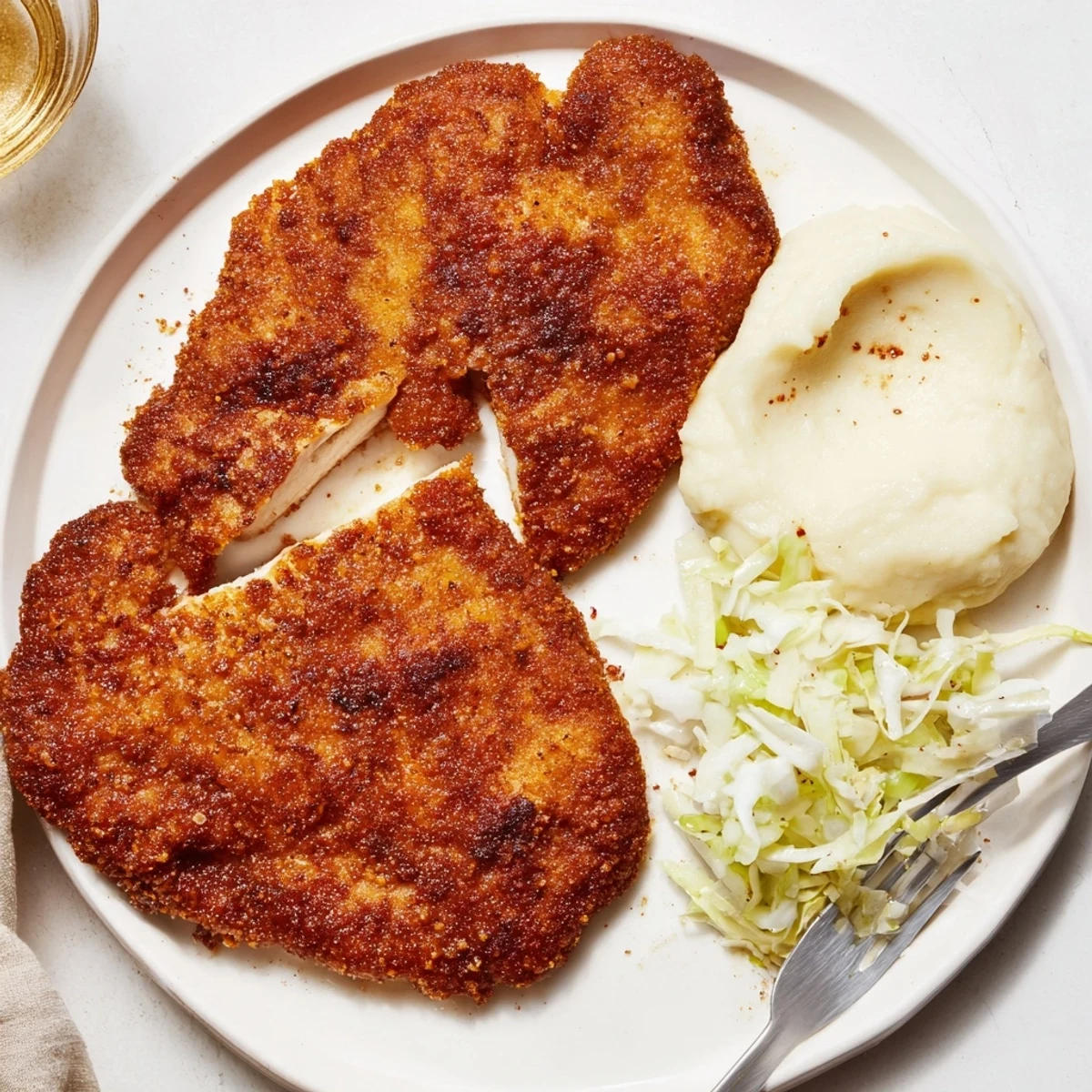
 Pound boneless breasts to about 1/2" thickness and soak in buttermilk with salt and pepper for 30 minutes to overnight for tenderness. Dredge in a mix of all-purpose flour and cornstarch seasoned with paprika, garlic powder and cayenne; press the coating to adhere. Heat oil to 350°F (175°C) and fry 6–7 minutes per side until internal temp reaches 165°F (74°C). Drain briefly, rest 2–3 minutes, and serve with mashed potatoes or a crisp slaw. For extra crunch, double-dip or swap to a gluten-free flour blend as needed.
The sizzle of chicken hitting hot oil is one of those sounds that immediately pulls everyone into the kitchen, forks already in hand. My neighbor Dave once leaned over the fence and asked what I was cooking because the smell had drifted three houses down. Fried chicken breast has a way of turning an ordinary Tuesday into something worth sitting down for. It is humble, loud, and absolutely worth the splatter.
One Sunday afternoon my niece wandered into the kitchen just as I was pulling the first golden piece from the pan and she stood on a step stool watching the rest fry with wide eyes, asking if she could be the official taste tester. We ate standing at the counter, pieces disappearing faster than I could plate them.
Ingredients
- 4 boneless, skinless chicken breasts: Pounding them even is the single most important step for juicy results throughout.
- 1 cup buttermilk: This tenderizes the meat and helps the coating cling beautifully.
- 1 teaspoon salt plus 1/2 teaspoon black pepper for brine: Seasoning the marinade itself layers flavor from the inside out.
- 1 cup all-purpose flour: The sturdy base of the coating that crisps up golden.
- 1/2 cup cornstarch: This is what makes the crust extra crunchy and light rather than heavy.
- 1 teaspoon paprika: Adds a gentle warmth and a lovely reddish hue to the finished crust.
- 1 teaspoon garlic powder: Savory depth without burning the way fresh garlic would in hot oil.
- 1/2 teaspoon cayenne pepper, optional: A quiet heat that builds but never overwhelms.
- 1 teaspoon salt plus 1/2 teaspoon black pepper for coating: Do not skimp here because this is your final chance to season the crust.
- Vegetable oil for frying, about 2 cups: Use a neutral oil with a high smoke point for the cleanest fry.
Instructions
- Flatten the chicken:
- Sandwich each breast between two sheets of plastic wrap and pound gently with a mallet or rolling pin until about half an inch thick, working from the center outward so it stays even.
- Soak in buttermilk:
- Whisk together the buttermilk with a teaspoon of salt and half teaspoon of pepper, then submerge the pounded chicken and let it swim in the fridge for at least thirty minutes or up to four hours for maximum tenderness.
- Build the coating:
- In a wide bowl, toss the flour, cornstarch, paprika, garlic powder, cayenne if you want some warmth, salt, and pepper until evenly combined and ready for dredging.
- Dredge with purpose:
- Pull each breast from the buttermilk letting the excess drip back into the bowl, then press it firmly into the flour mixture on all sides so every inch is coated and nothing is left bare.
- Heat the oil:
- Pour oil into a large skillet or deep pan to about half an inch deep and bring it to 350 degrees Fahrenheit, checking with a thermometer or watching for tiny bubbles around a wooden spoon handle.
- Fry to golden glory:
- Slide the chicken in one piece at a time without crowding the pan, cooking six to seven minutes per side until the crust is deeply golden and the internal temperature reads 165 degrees Fahrenheit.
- Rest before devouring:
- Transfer each piece to a paper towel lined plate and wait two to three agonizing minutes so the juices settle and the crust firms up before slicing in.
 Pin It
 There was a night when the power went out during a storm and I finished frying the last piece by the glow of a flashlight propped against a coffee mug, everyone huddled around the stove laughing with plates on their laps.
What to Serve Alongside
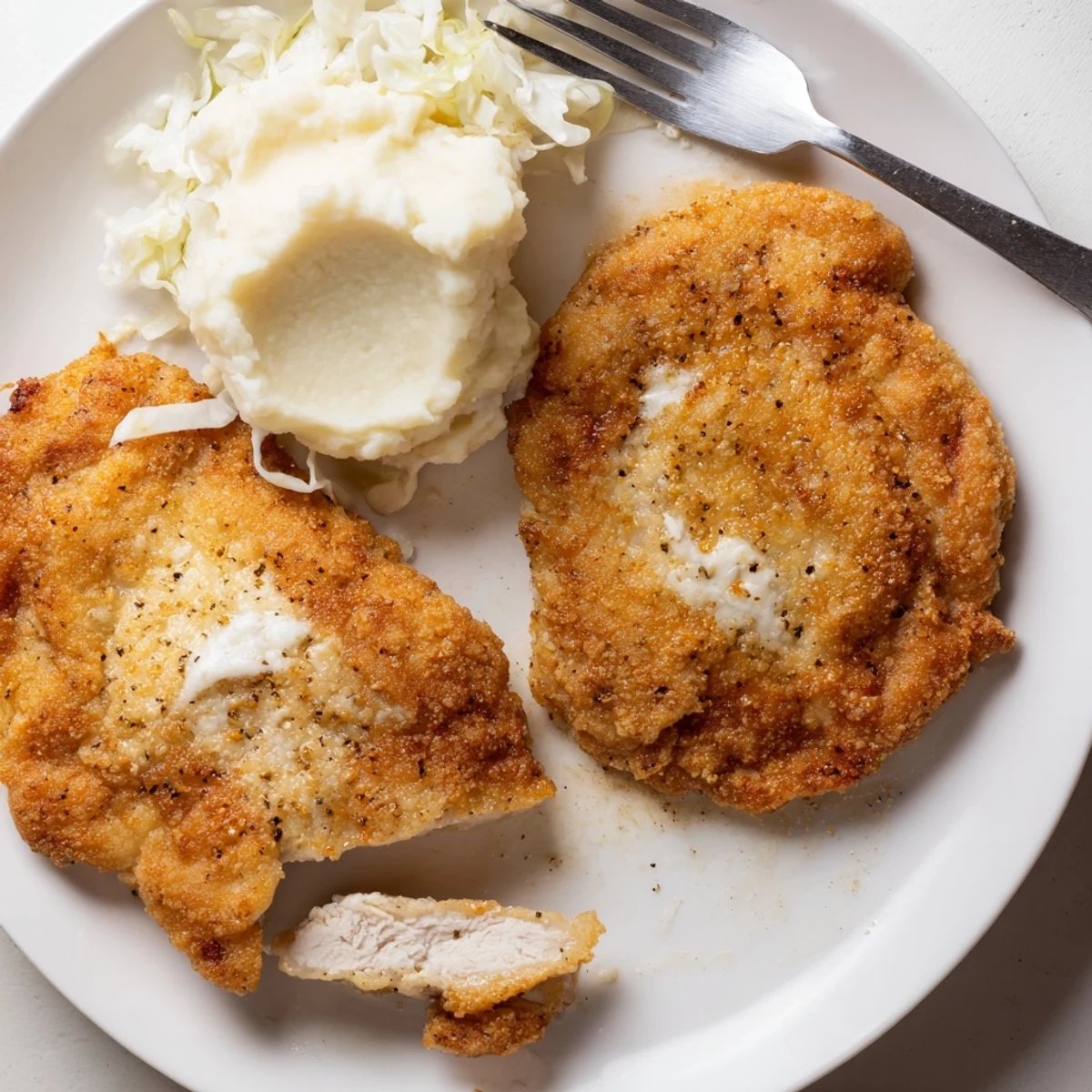
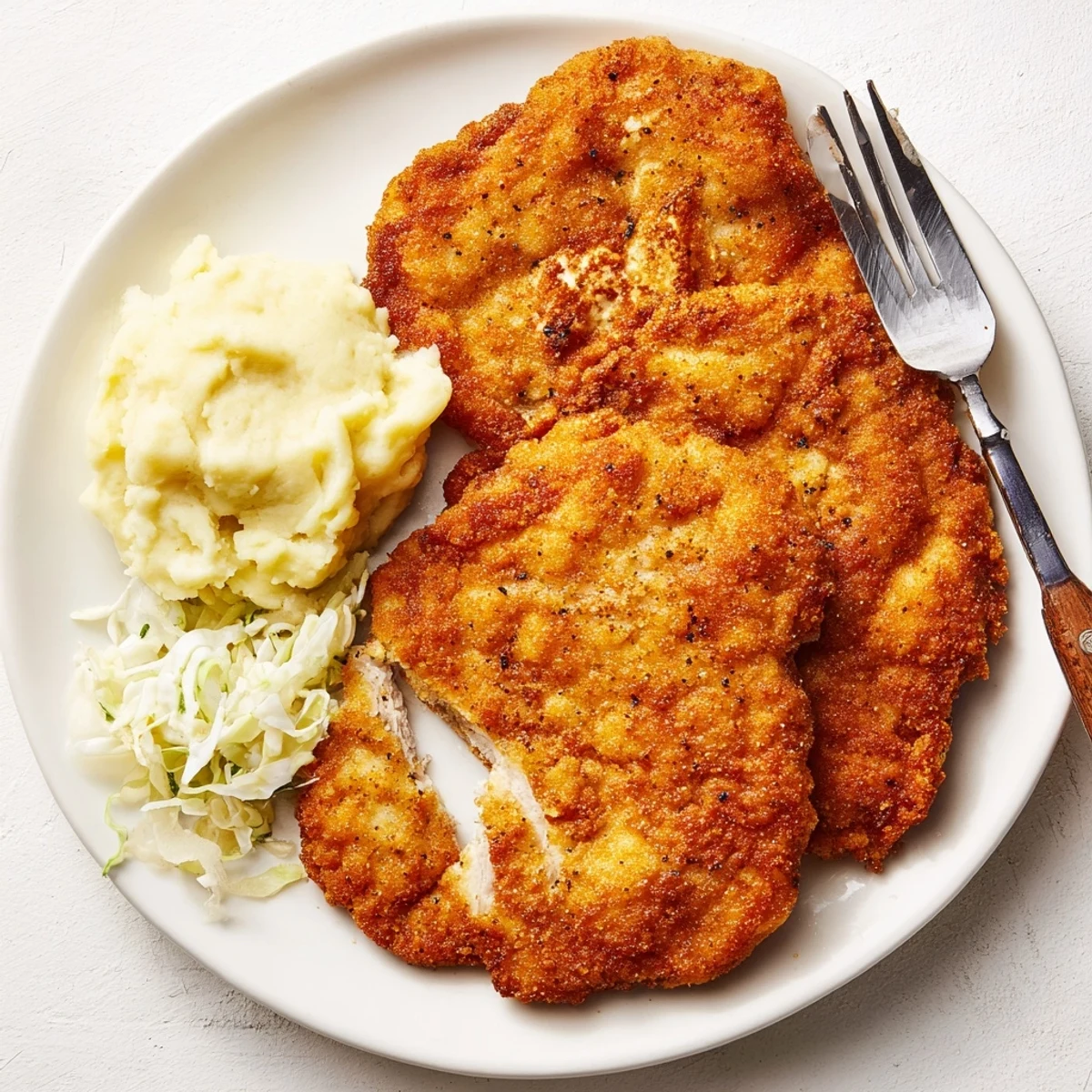
Mashed potatoes and coleslaw are the classic companions and for good reason, because the creamy and tangy sides cut through the richness of the fried crust perfectly. A simple squeeze of lemon over the chicken right before eating brightens everything in a way that surprises people who have only ever eaten it plain.
Making It Your Own
Sandwiching a piece between a toasted brioche bun with pickles and a swipe of honey mustard turns leftovers into something you will actually look forward to. You can swap the paprika for smoked paprika or add a pinch of onion powder to the flour if you want to nudge the flavor in a different direction without changing the technique.
Leftovers and Storage
Fried chicken is best the day it is made but it reheats surprisingly well on a wire rack set in a 375 degree oven for about ten minutes, which re-crisps the crust far better than a microwave ever could.
- Store leftovers uncovered in the fridge for the first hour so the crust stays dry, then cover loosely.
- Never stack warm pieces on top of each other because steam will soften the bottom crust.
- Gluten free flour blends work well here, just check that yours includes a binder like xanthan gum for best results.
 Pin It
 Some recipes earn their place in your rotation not because they are fancy but because they make people happy every single time you make them. This is that recipe, splatter and all.
Recipe FAQs
- → Why use buttermilk for the brine?
-
Buttermilk tenderizes and adds tang through mild acidity, helping proteins loosen for a juicier interior while seasoning penetrates more effectively.
- → What does cornstarch add to the coating?
-
Cornstarch reduces gluten formation and fries up extra crispy, giving a lighter, crunchier crust when mixed with all-purpose flour.
- → How can I prevent a soggy crust?
-
Pat excess marinade off before dredging, press the coating firmly to adhere, fry without overcrowding, keep oil at steady 350°F, and drain on a rack rather than paper to maintain crispness.
- → How do I check doneness safely?
-
Use an instant-read thermometer inserted into the thickest part; the chicken is done at 165°F (74°C). Visual cues: golden-brown crust and clear juices when pierced.
- → Can I make it ahead and reheat?
-
Cooked pieces can be chilled, then reheated in a 375°F oven on a rack to restore crispness. Avoid microwaving which softens the crust.
- → Any quick substitutions for buttermilk?
-
Mix 1 cup milk with 1 tablespoon lemon juice or vinegar and let sit 5–10 minutes to sour; it mimics buttermilk’s acidity for tenderizing.