
 Pin It
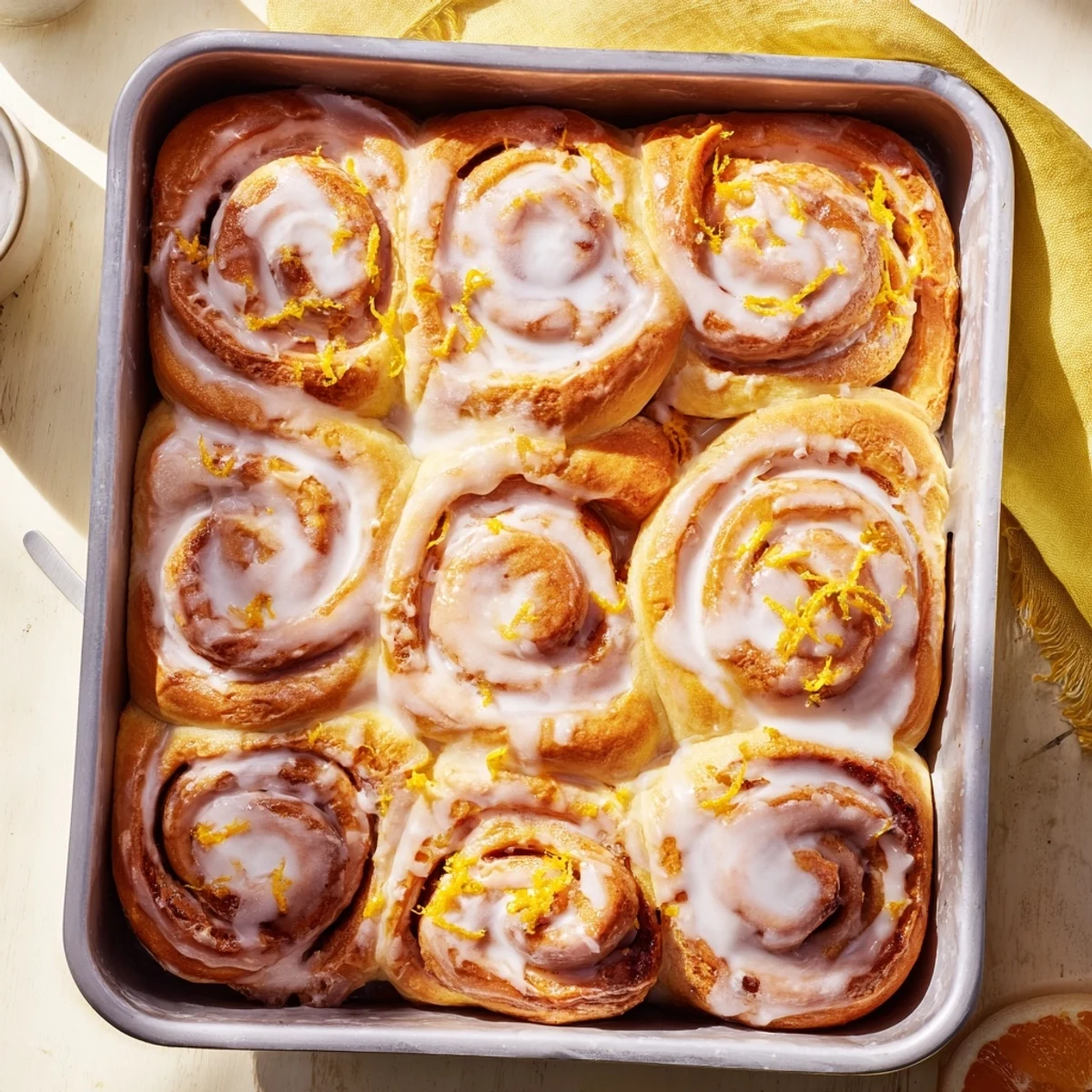
 These homemade orange rolls feature a soft, pillowy dough swirled with a buttery orange sugar filling. The dough requires about an hour to rise before being rolled out, filled, and cut into twelve generous spirals. After a second rise, they bake until golden and finish with a sweet citrus glaze made from powdered sugar and fresh orange juice.
The aroma alone makes these worth the effort—orange zest fills your kitchen while they bake. Perfect for special breakfasts, holiday mornings, or when you want to treat your family to something extraordinary. Serve them warm with coffee or tea for the ultimate weekend experience.
The kitchen filled with the most incredible citrus perfume while these rolls were baking, unlike any cinnamon roll I'd ever made. My roommate wandered in from her room, following the scent like a cartoon character, asking what magic was happening in the oven. We ended up eating them warm on the floor of our tiny apartment because we couldn't wait another second for them to cool properly.
I first attempted orange rolls after a brunch at my aunts house where she served something similar that had everyone fighting over the last piece. Her secret was fresh orange juice in the filling, not just zest, which I'd never considered before. Now they're the only thing my kids request for special weekend breakfasts.
Ingredients
- All-purpose flour: Forms the structure of these tender rolls, bread flour would make them too chewy
- Active dry yeast: One standard packet gives reliable rise, just make sure it's not expired
- Whole milk: The fat content creates the softest crumb possible, skip skim milk here
- Unsalted butter: Used in both dough and filling for that rich, buttery taste we all want
- Fresh oranges: You'll need both zest and juice, organic ones have more aromatic oils
- Powdered sugar: Creates the perfect silky glaze that sets beautifully on warm rolls
Instructions
- Make the dough base:
- Whisk flour, sugar, yeast, and salt in a large bowl while you warm the milk until it feels like bathwater temperature. In another bowl, beat the melted butter, eggs, and vanilla until smooth, then pour this into your flour mixture and stir until it comes together into a shaggy ball.
- Knead until smooth:
- Turn the dough onto a floured surface and push it away with the heel of your hand, fold it back, and repeat for about 8 minutes until it feels like a babys cheek. Alternatively, let your stand mixer do the work with the dough hook for 6 to 7 minutes while you clean up.
- Let it rise:
- Place the dough in a buttered bowl, turning it once to coat all sides, then cover with a warm, damp towel. Find the warmest spot in your kitchen and let it expand until it's doubled in size, about an hour.
- Prepare the orange filling:
- Mash the softened butter with sugar until completely combined, then grate in fresh orange zest and squeeze in the juice until it forms a spreadable paste.
- Roll and fill:
- On a lightly floured surface, roll your dough into a rectangle about 16 by 10 inches, then spread that gorgeous orange butter evenly across the surface, leaving a tiny border at the edges.
- Shape the rolls:
- Starting from one long side, roll the dough as tightly as you can into a log, then pinch the seam firmly to seal it shut. Cut into 12 equal pieces using a sharp knife or unflavored dental floss for cleaner slices.
- Second rise:
- Arrange the rolls in a buttered 9 by 13 inch baking dish, cover them again, and let them puff up for another 30 to 40 minutes until they're touching each other and looking pillowy.
- Bake until golden:
- Slide the pan into a 350°F oven and bake for 22 to 25 minutes until the tops are golden brown and you can see the filling bubbling slightly at the edges.
- Make the glaze:
- While the rolls cool slightly, whisk powdered sugar with enough fresh orange juice to make it pourable, then stir in some zest for those beautiful little specks.
- Finish and serve:
- Let the rolls rest for just 10 minutes so they set slightly, then drizzle that citrus glaze all over while they're still warm. Serve immediately and watch them disappear.
 Pin It
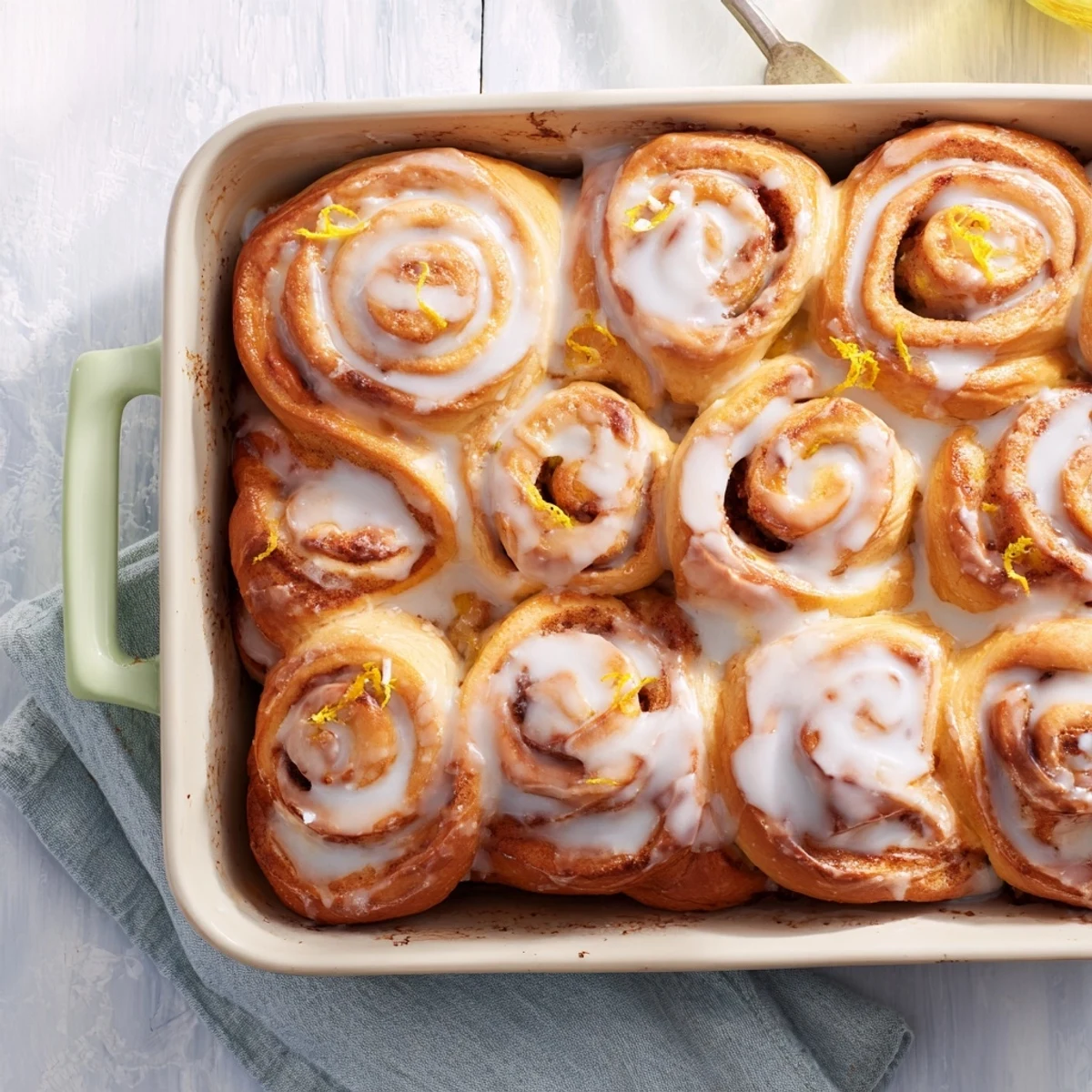
 These orange rolls became a Christmas morning tradition after the year I accidentally burned the cinnamon buns we usually make. Something about that bright citrus flavor cutting through all the heavy holiday food just works perfectly.
Making Them Ahead
You can prepare these rolls completely the night before, stopping right before the final rise. Cover the baking dish tightly with plastic wrap and refrigerate overnight, then let them sit at room temperature for an hour before baking in the morning.
Getting The Perfect Swirl
The key to beautiful spirals is rolling the dough tightly and evenly without stretching it. I keep my hands flat on the rolling pin and use steady pressure rather than pressing down in spots, which creates those gorgeous uniform layers when you slice them.
Serving Suggestions
These orange rolls pair beautifully with strong coffee or Earl Grey tea, which complements the citrus notes. They're also incredible with a side of fresh berries or a light fruit salad to balance the richness.
- Extra orange zest in the glaze makes them look bakery beautiful
- Serve them within an hour of baking for the best texture
- Reheat leftovers in the oven, never the microwave
 Pin It
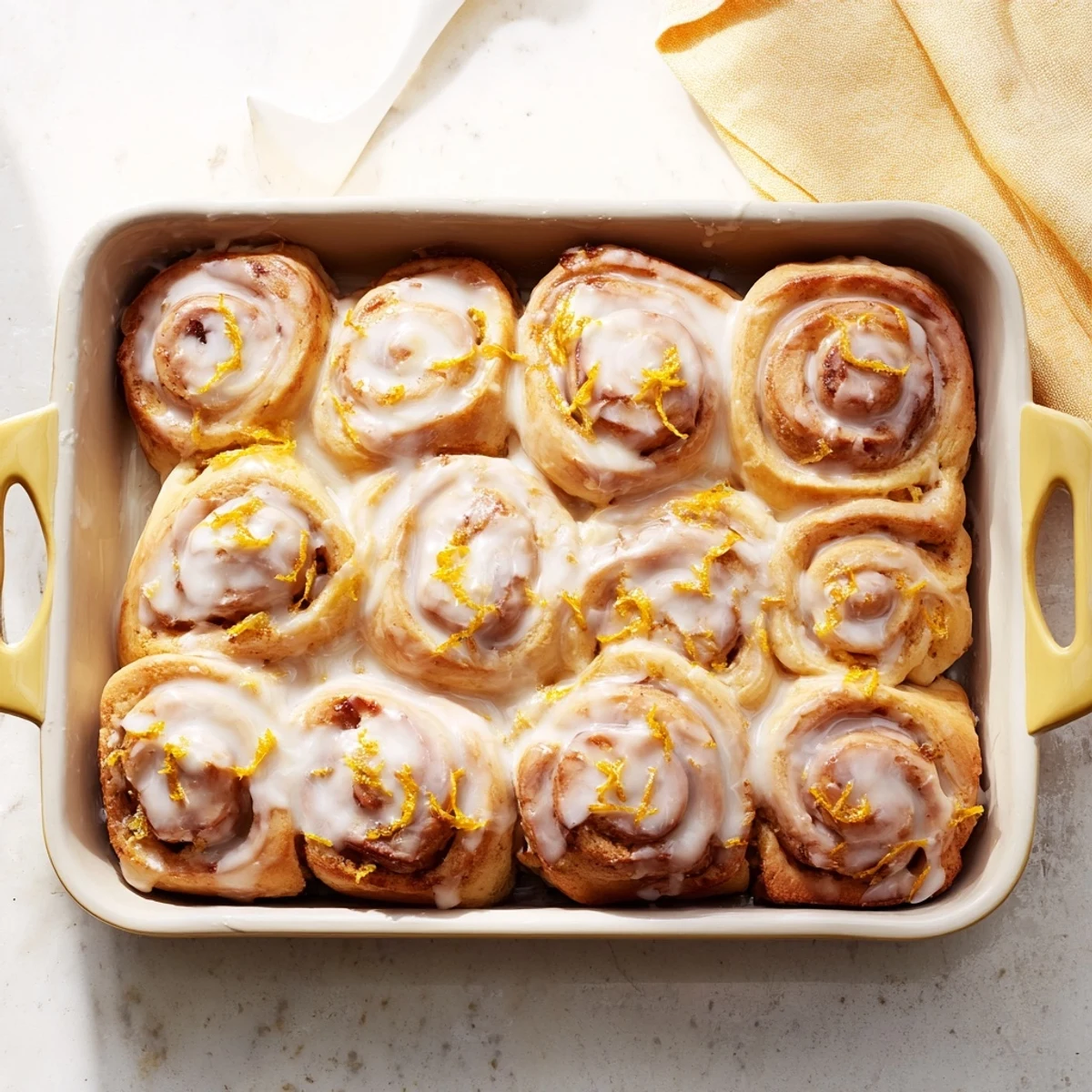
 There's something deeply comforting about warm, sweet rolls fresh from the oven. Hope these bring a little brightness to your morning too.
Recipe FAQs
- → How long do orange rolls need to rise?
-
The initial rise takes about 1 hour until the dough doubles in size. After shaping, the rolls need 30-40 minutes for their second rise before baking. Plan for approximately 2 hours and 30 minutes total time including preparation.
- → Can I make orange rolls ahead of time?
-
Yes, prepare the rolls through the shaping step and refrigerate overnight. Let them come to room temperature and rise for 30-40 minutes before baking. You can also freeze baked rolls and reheat gently in the oven.
- → What's the best way to cut rolls evenly?
-
Use unflavored dental floss or a very sharp knife. Slide the floss under the dough, cross ends over the top, and pull through cleanly. This method prevents squishing the spirals and creates uniform portions.
- → How do I know when the rolls are done baking?
-
Look for golden brown tops and edges that have pulled slightly away from the pan. An instant-read thermometer inserted into the center should read 190-200°F. The center springs back when lightly touched.
- → Can I use bottled orange juice instead of fresh?
-
Fresh orange juice and zest provide the best citrus flavor. Bottled juice lacks the bright, fresh acidity needed to balance the sweetness. If you must substitute, add extra orange zest to compensate for flavor loss.