
 Pin It
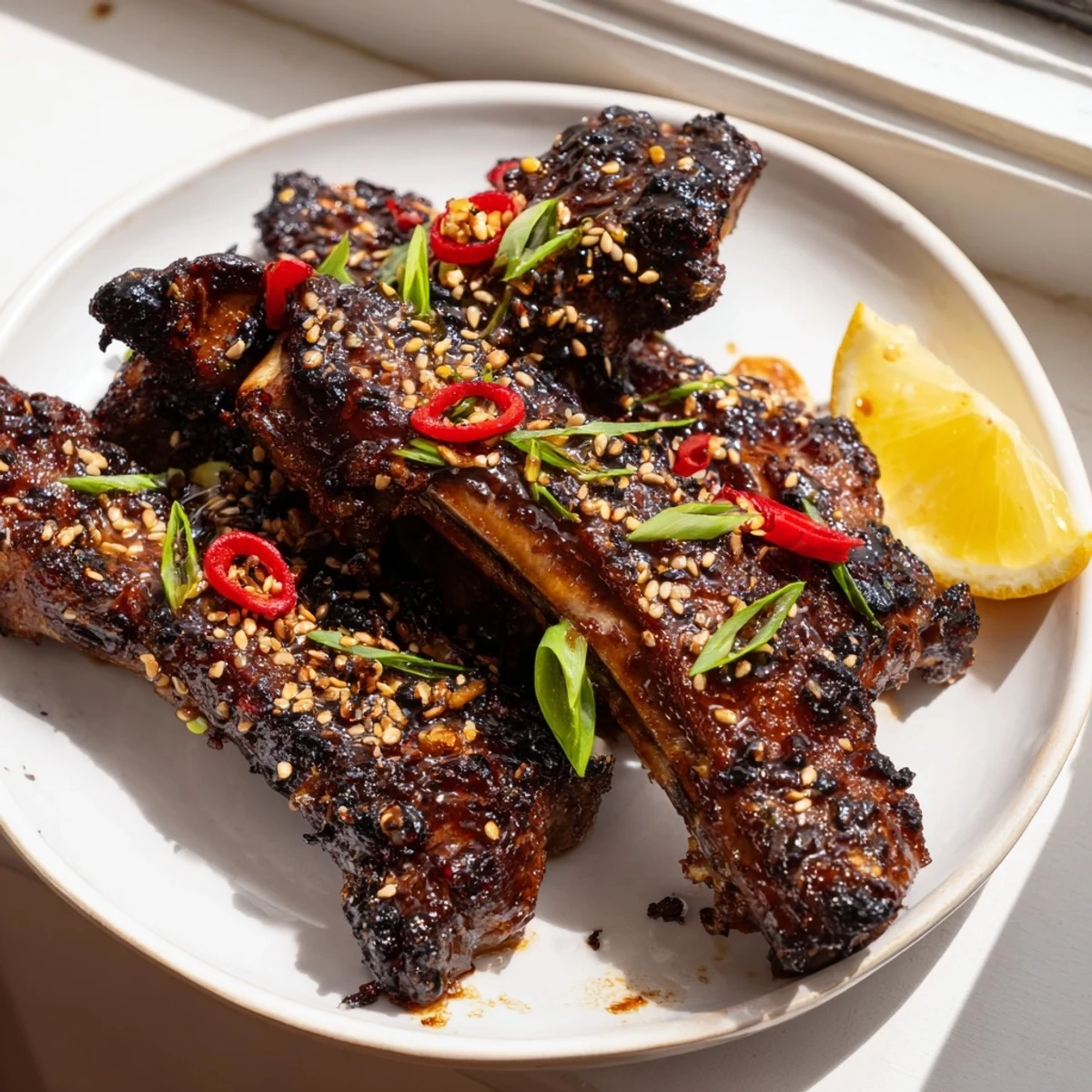
 These Korean BBQ lamb ribs are marinated in a bold blend of gochujang, soy sauce, sesame oil, honey, garlic, and ginger for deep, savory-sweet flavor. Slow-roasted for one hour until fork-tender, then finished on a hot grill for that signature caramelized char.
A generous squeeze of fresh yuzu juice cuts through the richness with its unique floral citrus brightness, while toasted sesame seeds and sliced spring onions add crunch and freshness.
Perfect as a show-stopping main dish for gatherings, pair with steamed rice, kimchi, or grilled vegetables for a complete Korean fusion spread.
The sizzle of lamb ribs hitting a scorching grill is one of those sounds that stops conversation dead. My neighbor actually wandered over the fence last summer asking what smelled so good, and I handed him a rib through the slats. He stood there eating it in silence, juice running down his wrist, and just nodded before walking back to his yard.
I started making these ribs for our weekly backyard cookouts after getting tired of the same old pork and beef routine. My friend Soo jin brought over a bottle of yuzu juice one evening and casually suggested I try it on whatever was grilling, completely changing how I think about finishing sauces.
Ingredients
- Lamb ribs (1.5 kg): Ask your butcher for racks that have good meat coverage, not just bones with a thin membrane, because that thickness is what absorbs the marinade beautifully.
- Soy sauce (4 tablespoons): This is your salt and umami backbone, so use one you actually enjoy the taste of straight, and go gluten free if needed.
- Gochujang (2 tablespoons): The fermented depth here is irreplaceable, and different brands carry wildly different heat levels, so taste yours before committing.
- Sesame oil (2 tablespoons): Toasted sesame oil specifically, never the plain kind, because that nutty aroma is half the flavor profile of the entire dish.
- Honey (2 tablespoons): This is what helps the marinade blister and caramelize under high heat, creating those gorgeous sticky char spots.
- Garlic (4 cloves, minced): Fresh is non negotiable here, as the jarred stuff gets lost entirely behind the gochujang and sesame.
- Fresh ginger (2 tablespoons, grated): Grate it fine so it melts into the marinade rather than leaving chewy bits on the finished ribs.
- Rice vinegar (1 tablespoon): A subtle tang that balances the honey and keeps the marinade from tasting one dimensionally sweet.
- Brown sugar (1 tablespoon): Works alongside the honey to build a glossy crust that shatters slightly when you bite in.
- Black pepper (1 teaspoon, freshly ground): Pre ground tastes dusty and flat next to the vibrant flavors in this marinade.
- Spring onions (2, finely chopped for marinade): These soften into the sauce during cooking, leaving a gentle allium sweetness rather than sharp onion bite.
- Yuzu (1 fresh fruit or 3 tablespoons juice): Floral and tart simultaneously, this is the finishing touch that makes people ask what is different about these ribs.
- Toasted sesame seeds (1 tablespoon): A sprinkle at the end adds texture and a visual cue that says this dish is finished and ready.
- Spring onions (2, thinly sliced for garnish): Keep these raw for a fresh crunch that contrasts the sticky glazed meat.
- Red chili (1, optional): For those who want a little danger with their dinner, slice it thin and scatter it on top.
Instructions
- Build the marinade:
- Drop everything into a large bowl, soy sauce, gochujang, sesame oil, honey, garlic, ginger, rice vinegar, brown sugar, pepper, and the chopped spring onions, and stir until you have a thick, glossy, rust colored paste. Smell it once it is mixed because that is your preview of how good the kitchen is about to get.
- Coat the ribs:
- Pack the lamb ribs and marinade into a resealable bag or shallow dish, pressing and massaging until every surface is slick with color. Leave them overnight if you can manage the patience, because the transformation is dramatic.
- Set up the slow roast:
- Heat your oven to 160 degrees Celsius, line a baking sheet with foil, and set a wire rack on top so the ribs cook evenly rather than stewing in their own juices. Arrange them in a single layer with space between each piece, saving whatever marinade pools in the dish.
- Roast low and slow:
- Let them cook for one full hour, pulling them out halfway through to baste with the reserved marinade so the flavor builds in layers rather than sitting only on the surface.
- Char and caramelize:
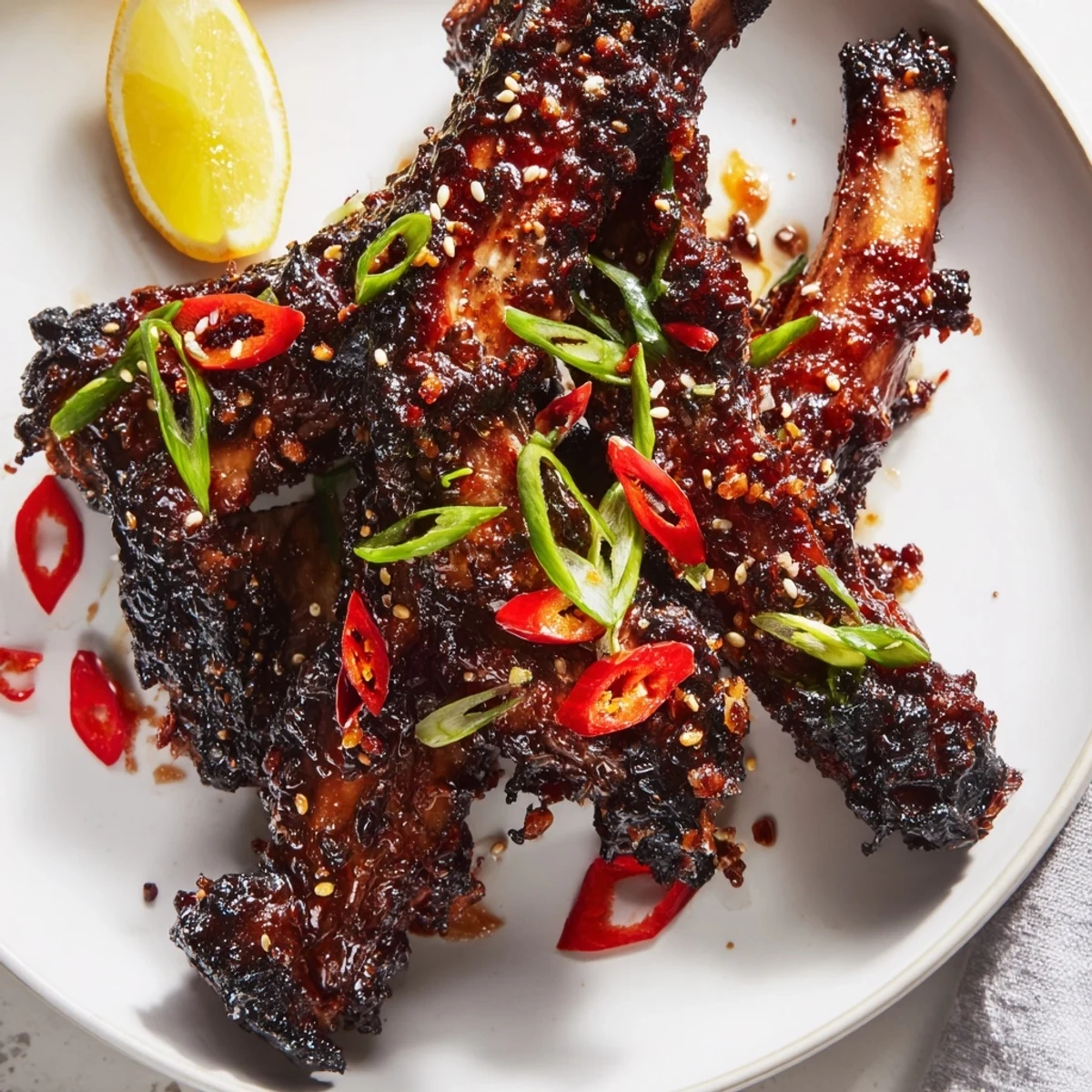
- Crank your grill or broiler to high and lay the ribs on the grates, watching closely for two to three minutes per side until the sugars blister and you get those dramatic blackened edges that make everyone hover near the kitchen.
- Finish with citrus and serve:
- Pull the ribs off the heat and immediately squeeze yuzu juice over the hot surface so it sizzles and steams, then scatter sesame seeds, sliced spring onions, and chili if using. Serve right away with extra yuzu wedges alongside.
 Pin It
 The best batch I ever made was the one where I almost burned them because I got into a conversation about movies and forgot to set a timer for the grill step.
Serving Ideas That Actually Work
Steamed white rice is the obvious companion here, soaking up the sticky juices that drip off each rib. A pile of quick pickled cucumbers or a scoop of fermented kimchi brings acidity and crunch that keeps the meal from feeling heavy.
Dealing With the Yuzu Question
Fresh yuzu can be maddeningly hard to find outside specialty markets, but the bottled juice works beautifully and lasts forever in the fridge. If you cannot find either, a fifty fifty mix of lemon and lime juice gets you surprisingly close to that floral tartness.
Making It Your Own
Once you are comfortable with the base recipe, start playing with the heat and sweetness to match your crowd.
- Double the gochujang if your guests like to sweat a little while they eat.
- Add a spoonful of miso paste to the marinade for an extra hit of savory depth.
- Always let the finished ribs rest for two minutes before slicing so the juices redistribute instead of running out onto the board.
 Pin It
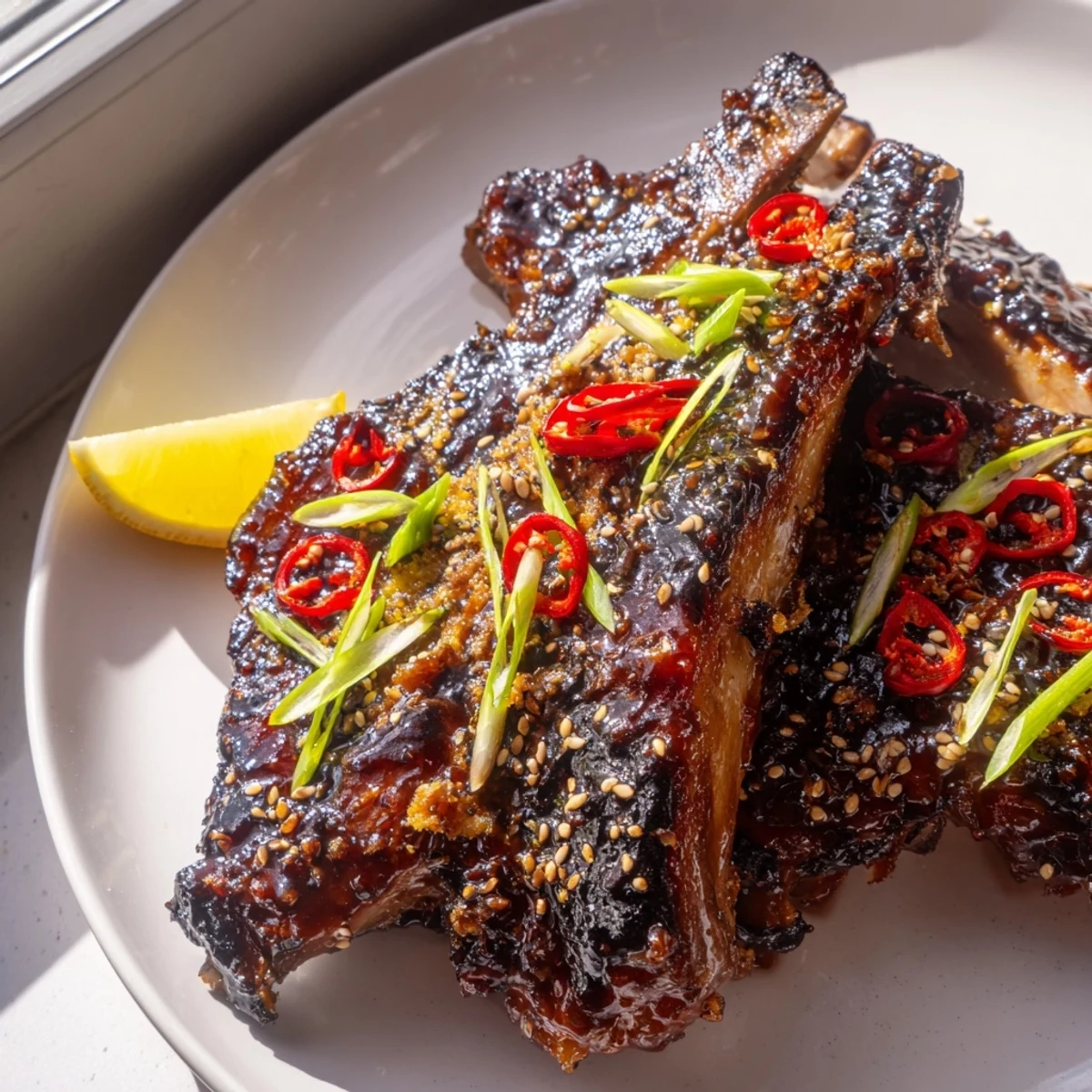
 These ribs have a way of turning a regular weeknight into something worth remembering. Make them once and people will start asking when you are doing it again.
Recipe FAQs
- → Can I marinate the lamb ribs for less than one hour?
-
While one hour is the minimum, marinating overnight in the refrigerator yields significantly deeper flavor penetration and more tender meat. The longer rest allows the gochujang, soy sauce, and ginger to fully season the ribs.
- → What can I substitute for yuzu if I cannot find it?
-
A blend of equal parts fresh lemon and lime juice makes an excellent yuzu substitute, providing a similar bright, aromatic citrus punch that balances the rich, smoky lamb beautifully.
- → Can I cook these ribs entirely on the grill without an oven?
-
Yes, use indirect heat on a covered grill at around 160°C (320°F) for about one hour, then finish over direct high heat for 3-5 minutes per side to achieve caramelization and char.
- → How do I make this dish gluten-free?
-
Use gluten-free soy sauce or tamari in the marinade, and verify that your gochujang brand is certified gluten-free, as some traditional versions contain wheat. All other ingredients in this dish are naturally gluten-free.
- → What is the best way to reheat leftover lamb ribs?
-
Reheat in a 160°C (320°F) oven wrapped loosely in foil for about 15-20 minutes until warmed through. Avoid microwaving, which can make the meat tough and lose the caramelized exterior texture.
- → How spicy are these Korean BBQ lamb ribs?
-
The standard gochujang amount provides mild to moderate heat. For a spicier kick, increase the gochujang to three tablespoons or add Korean chili flakes. The yuzu citrus also helps balance and mellow the overall spiciness.