
 Pin It
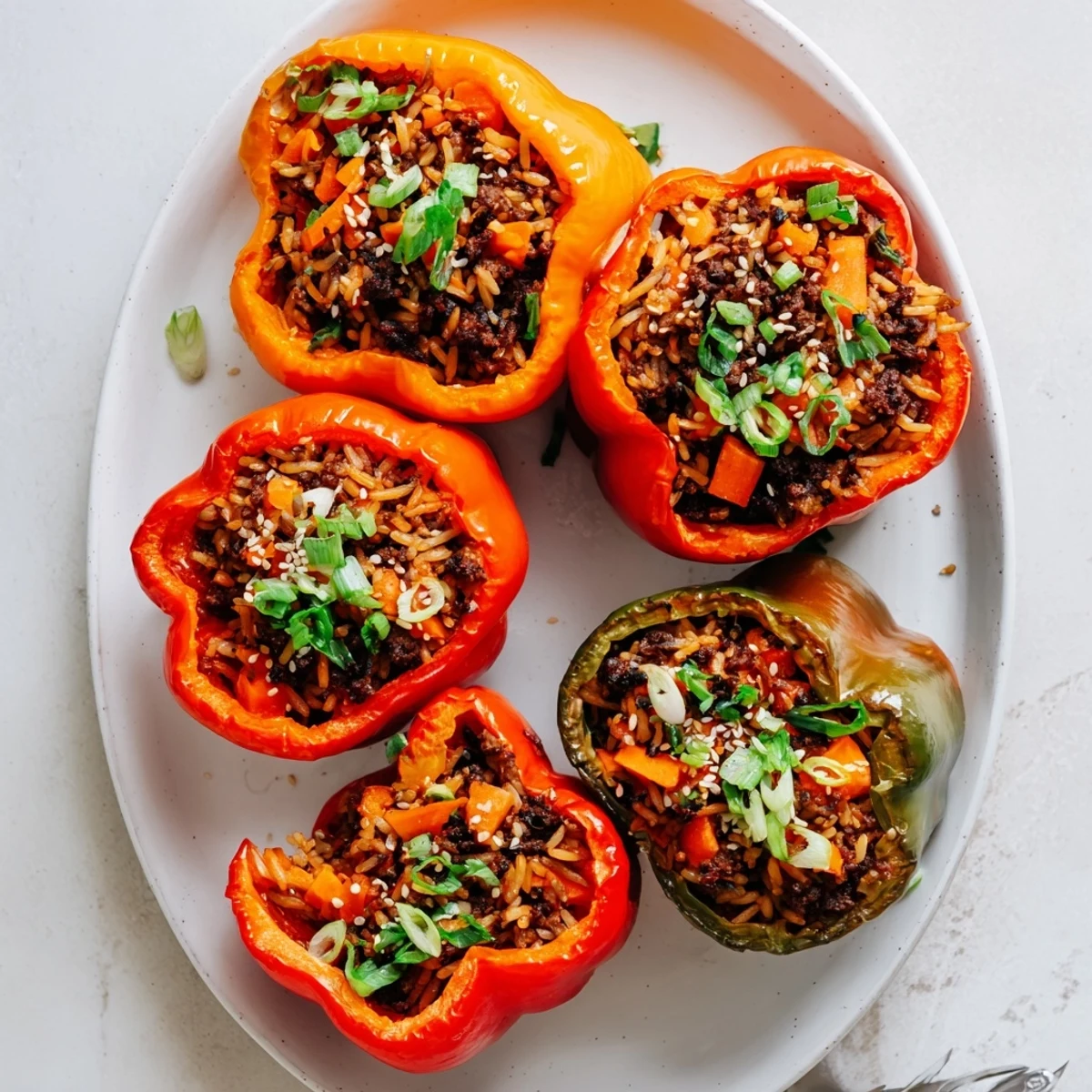
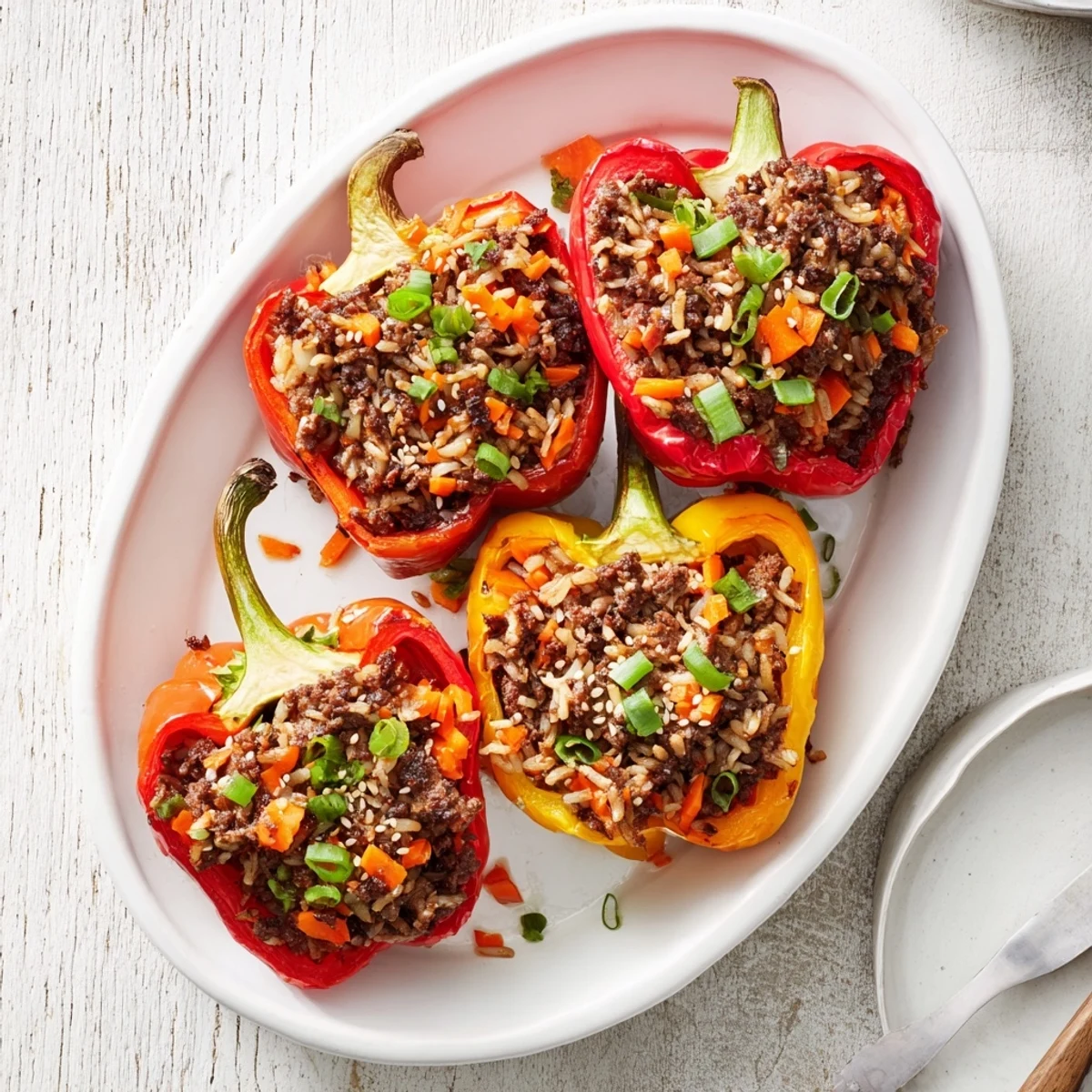
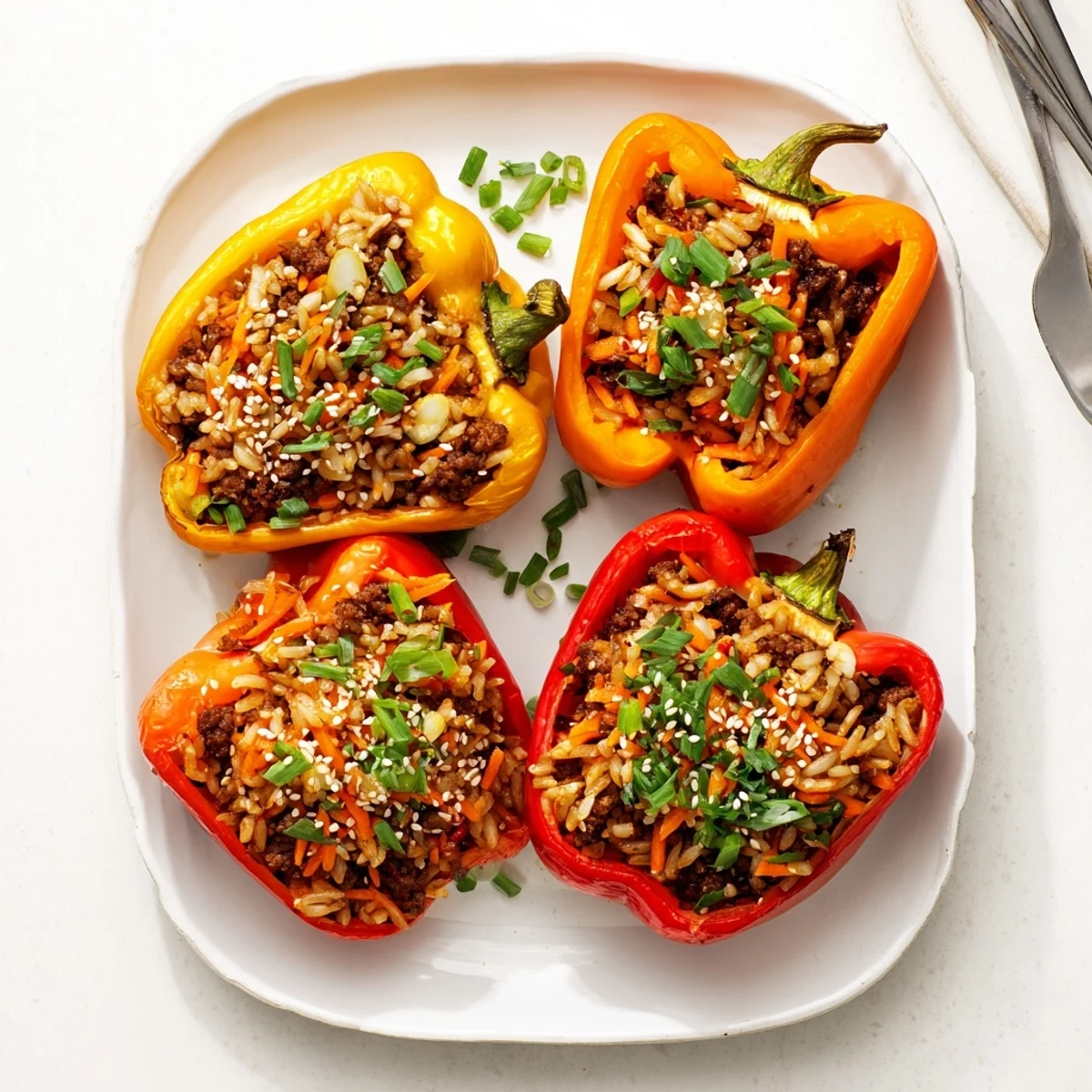
 This vibrant Korean fusion dish combines savory marinated beef bulgogi with fluffy seasoned rice, all nestled inside tender roasted bell peppers. The beef is thinly sliced and marinated in a traditional blend of soy sauce, sesame oil, garlic, ginger, and grated fruit for authentic sweet-savory flavor. After quick pan-searing, the beef joins vegetable-studded rice filling that's carefully packed into colorful bell pepper vessels. Roasted until tender and garnished with fresh scallions and sesame seeds, these stuffed peppers make an impressive yet approachable main course. The dish balances rich umami flavors with fresh vegetables, offering complete nutrition in each colorful serving.
The first time I stuffed bell peppers with bulgogi, my kitchen smelled like my favorite Korean restaurant meets Sunday supper. I'd been making traditional bulgogi for years, but something about tucking that sweet-savory beef into tender roasted peppers felt like discovering a secret combination. My roommate wandered in, drawn by the aroma, and stood watching the oven like it was the most fascinating thing she'd ever seen.
Last summer, I made these for a potluck when my friend announced she was moving away. We sat around my tiny kitchen table, peppers steaming between us, and she made me promise to write down the recipe. Later that night, my phone buzzed with a text saying those stuffed peppers were exactly what she needed before starting her new chapter.
Ingredients
- Beef sirloin or ribeye: Thinly slicing against the grain makes all the difference for tender beef, so freeze for 20 minutes before cutting
- Pear or apple: The fruit enzymes break down protein naturally, creating that signature bulgogi tenderness without any fancy tricks
- Sesame oil: Use toasted sesame oil and add it last to the marinade so its fragrance stays intense
- Bell peppers: Mix colors for a stunning presentation, or choose red for sweetness that balances the savory beef
- Cooked white rice: Day-old rice works beautifully here, but freshly cooked jasmine rice soaks up the flavors beautifully too
- Baby spinach: It wilts down into almost nothing but adds a lovely fresh note and vibrant green flecks throughout
Instructions
- Marinate the beef:
- Whisk together soy sauce, brown sugar, grated pear, sesame oil, garlic, ginger, scallions, pepper, and sesame seeds. Toss the sliced beef until every piece is coated and let it sit for at least 15 minutes while you prep everything else.
- Cook the bulgogi:
- Heat vegetable oil in a large skillet over medium-high heat. Add the beef in batches so it browns properly, cooking for 3 to 4 minutes until it's caramelized and cooked through. Set aside on a plate.
- Prepare the vegetables:
- In the same skillet, sauté the onion and carrot for about 3 minutes until they soften. Toss in the chopped spinach and cook for just 1 minute until it wilts.
- Season the rice:
- Add the cooked rice to the skillet along with soy sauce and sesame oil. Stir everything together until the rice is glossy and well combined, then remove from heat and let it cool slightly.
- Stuff the peppers:
- Mix the cooked bulgogi into the rice mixture. Stand each bell pepper upright in your baking dish and spoon the filling in, packing gently but leaving some room at the top since the rice will expand slightly.
- Bake to perfection:
- Cover the dish loosely with foil and bake for 25 minutes. Remove the foil and continue baking for 10 more minutes until the peppers are tender and starting to blister at the edges.
- Add the finishing touches:
- Sprinkle with fresh scallions and sesame seeds right before serving, while they are still steaming hot.
 Pin It
 My grandmother asked why I was putting Korean beef inside peppers, and by her second bite, she was already planning to make them for her bridge club. Sometimes the most unexpected combinations become the ones people ask for again and again.
Making It Your Own
I once used ground beef instead of sliced steak when I was short on time, and honestly, it turned out fantastic. The texture changes slightly but the flavors remain just as compelling. Ground chicken or even crumbled firm tofu work beautifully if you are looking for something lighter.
Serving Suggestions
A side of kimchi adds the perfect tangy crunch to cut through the rich beef. I also love serving these with a simple cucumber salad dressed with rice vinegar and sesame seeds. The cool, crisp vegetables balance the warm, savory peppers so well.
Meal Prep Magic
These stuffed peppers reheat beautifully and actually taste even better the next day as the flavors meld together. I often make a double batch and keep them in the refrigerator for easy lunches throughout the week.
- Wrap individual peppers tightly before freezing for up to three months
- Reheat covered so they do not dry out in the microwave
- The filling can be made ahead and stored separately for even faster assembly
 Pin It
 There is something deeply satisfying about a meal that looks impressive but comes together so easily. These peppers have become my go-to when I want to feed people something special without spending all day in the kitchen.
Recipe FAQs
- → What cut of beef works best for bulgogi?
-
Thinly sliced sirloin or ribeye works best due to tenderness and marbling. Ask your butcher to slice it paper-thin against the grain, or freeze the beef for 30 minutes before slicing at home for easier cutting.
- → Can I prepare these stuffed peppers ahead of time?
-
Yes, assemble the peppers up to 24 hours in advance and refrigerate covered. Add 5-10 minutes to baking time if cooking straight from the refrigerator. The flavors actually develop better when given time to marinate together.
- → What makes the rice mixture flavorful?
-
The rice absorbs seasonings from sautéed onion, carrot, spinach, soy sauce, and sesame oil. Mixing it with the cooked bulgogi beef allows the savory marinade to coat every grain, creating layers of umami throughout the filling.
- → How do I know when the peppers are done?
-
The peppers should be tender when pierced with a fork, slightly wrinkled on the outside, and the filling should be hot throughout. This typically takes 35 minutes total—25 minutes covered, then 10 minutes uncovered for slight browning.
- → What sides complement this dish?
-
Fresh kimchi adds traditional Korean tang and crunch that cuts through the rich beef. A crisp white wine like Riesling or Sauvignon Blanc balances the sweet-savory marinade. Simple steamed bok choy or cucumber salad also work beautifully.
- → Can I make this gluten-free?
-
Absolutely. Substitute tamari or coconut aminos for regular soy sauce in both the marinade and rice seasoning. All other ingredients are naturally gluten-free, making this an easy dish to adapt for dietary restrictions.