
 Pin It
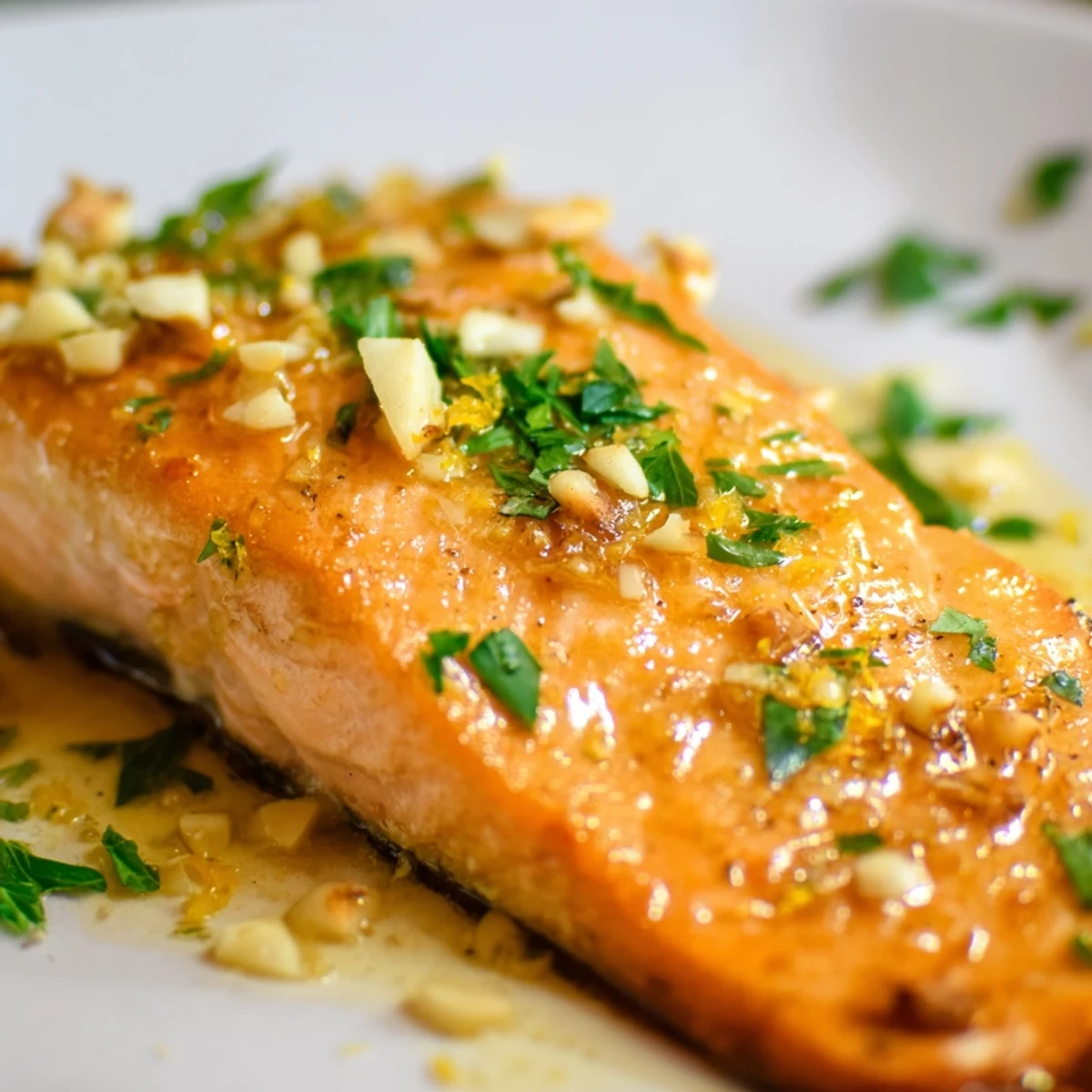
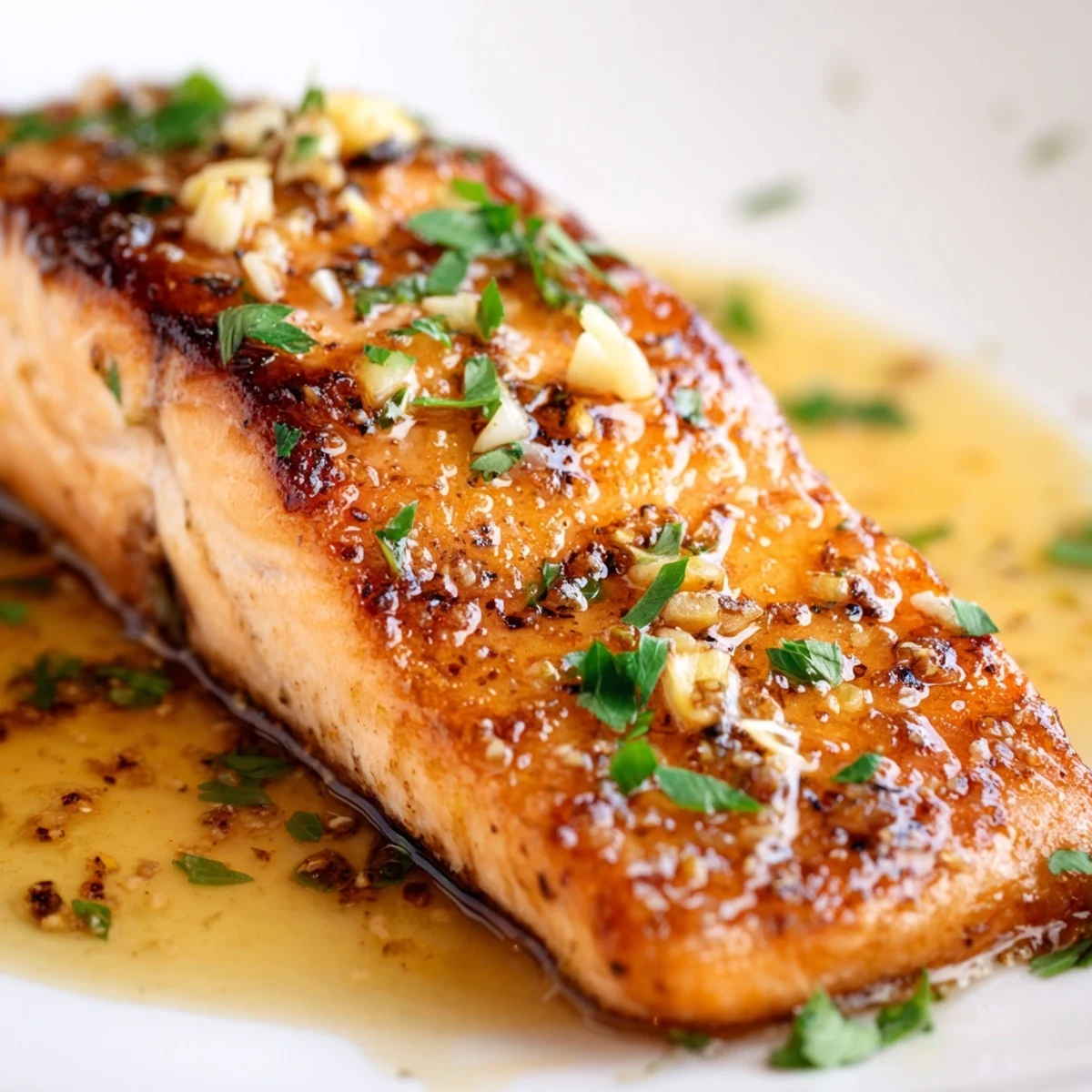
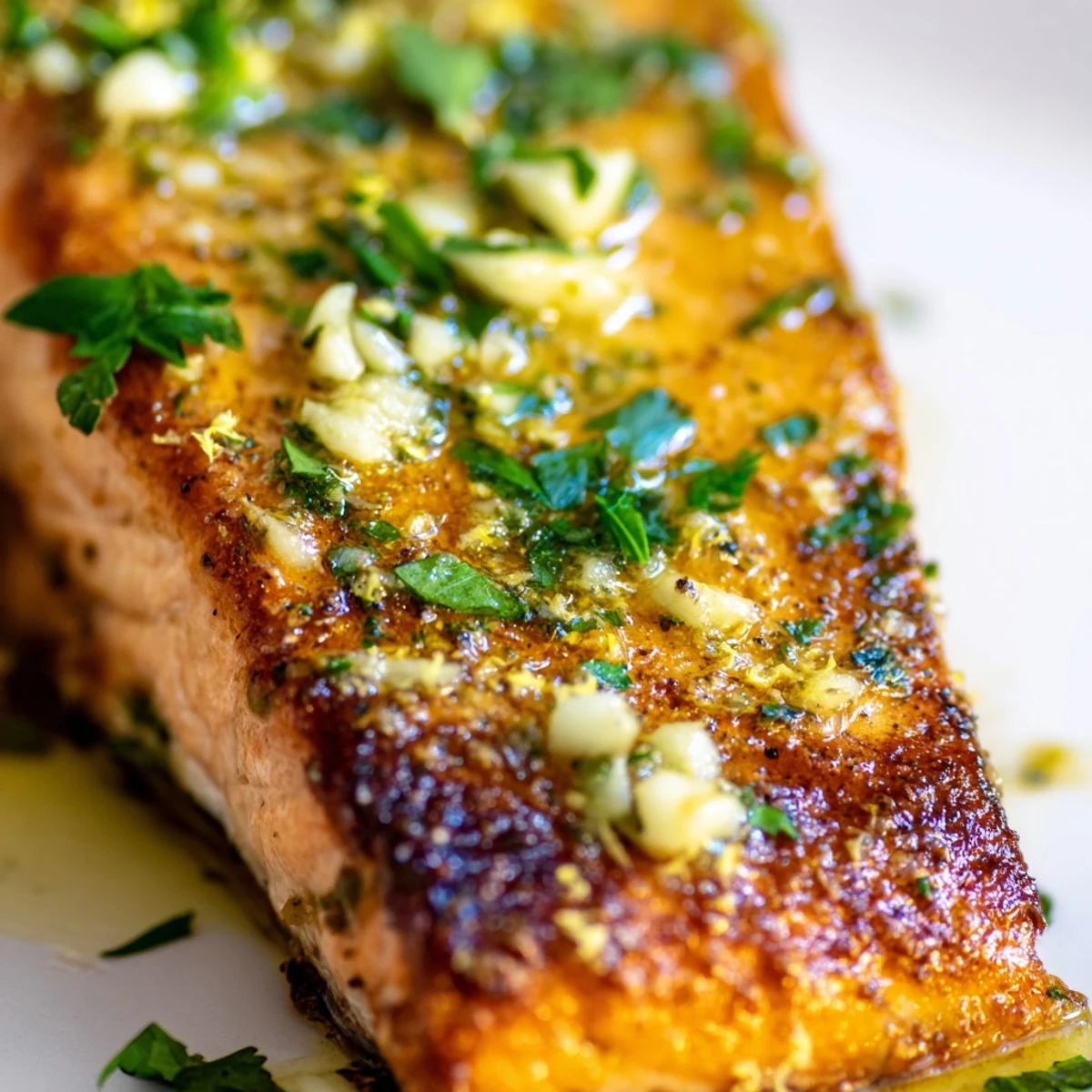
 Transform fresh salmon fillets into a restaurant-quality dish with this simple yet impressive technique. The fish develops a beautifully crispy exterior while remaining tender and moist inside, thanks to precise pan-searing that locks in natural flavors. The finishing touch—a luxurious garlic butter sauce infused with bright lemon and fresh parsley—elevates the entire experience.
Perfect for busy weeknights yet elegant enough for entertaining, this preparation comes together in just 20 minutes from start to finish. The method works beautifully with both skin-on and skinless fillets, and the versatile sauce pairs equally well with other seafood or even grilled vegetables for a complete, satisfying meal.
My roommate in college used to make this salmon every Sunday night, and the smell of garlic butter would waft under my door until I finally just wandered in with a fork. She taught me that restaurant-quality fish doesn't require fancy techniques or hours of prep. Now I make it when I want something that feels special but comes together faster than takeout.
Last summer I made this for my parents on their anniversary, and my dad actually stopped talking mid-sentence after his first bite. The way the butter mellows the sharp lemon while still letting the salmon shine is something I haven't found in restaurants. Now it's my go-to when I want to show someone I care without spending all day at the stove.
Ingredients
- 4 salmon fillets: Six ounces each gives you that perfect ratio of crispy exterior to tender, flaky center
- 1 tablespoon olive oil: High smoke point means you can get the pan hot enough for that gorgeous sear
- Salt and freshly ground black pepper: Don't be shy here, this is your only seasoning before the sauce
- 3 tablespoons unsalted butter: Unsalted lets you control the seasoning, and three tablespoons creates just enough velvety sauce
- 4 garlic cloves, minced: Fresh garlic, never jarred, makes all the difference in that aromatic finish
- 1 tablespoon fresh lemon juice: Cuts through the rich butter and brightens the whole dish
- 1 teaspoon lemon zest: Essential for that concentrated citrus perfume
- 2 tablespoons fresh parsley, chopped: Adds color and a fresh herbal finish that balances the richness
Instructions
- Prep your salmon:
- Pat each fillet completely dry with paper towels, then season generously on both sides with salt and pepper. Let them sit while you heat the pan, this helps the seasoning stick and the skin crisp up beautifully.
- Get the pan hot:
- Heat the olive oil in your large nonstick skillet over medium-high heat until it shimmers and thins out slightly. You want to hear that satisfying sizzle the moment the fish hits the pan.
- Sear skin-side down:
- Place the salmon fillets skin-side down and resist the urge to move them for 4 to 5 minutes. The skin will turn golden and crispy, and you'll know the fish is ready to flip when it releases easily from the pan.
- Finish cooking:
- Carefully flip each fillet and cook for another 2 to 3 minutes until just opaque in the center. Transfer the salmon to a plate and tent loosely with foil while you make the sauce.
- Build the garlic butter:
- Reduce the heat to medium and add the butter to the skillet. Once melted and foaming, add the minced garlic and sauté for just 1 minute until fragrant. Watch closely, garlic goes from perfect to burned in seconds.
- Create the glaze:
- Stir in the fresh lemon juice and zest, then return the salmon to the pan. Spoon that aromatic garlic butter over the fillets continuously for 1 minute, letting them bathe in all that flavor.
- Finish and serve:
- Sprinkle everything generously with chopped fresh parsley and serve immediately with lemon wedges on the side. The residual heat will keep the salmon perfectly warm while everyone gathers around the table.
 Pin It
 This recipe became my signature during a particularly bleak February when comfort food was the only thing keeping me sane. Something about watching the salmon transform from raw pink to opaque while butter and garlic fill the kitchen makes even the grayest Tuesday feel like a celebration.
Choosing the Best Salmon
I've learned through many trial-and-error dinners that wild salmon gives you a leaner, more assertive flavor while farm-raised tends to be milder and fattier. Neither is wrong, just different experiences on the plate. The real secret is checking for that deep, vibrant color and avoiding any fillets that look dull or have brown spots.
Mastering the Sear
The sound salmon makes when it hits a properly heated pan is one of my favorite kitchen moments, like a sizzling whisper that promises something delicious. If your pan isn't hot enough, you'll end up with pale, sticking fish instead of that gorgeous caramelized exterior. I heat my pan for a full two minutes over medium-high, and the oil should shimmer like liquid gold when it's ready.
Serving Suggestions
Roasted asparagus with a squeeze of lemon echoes the bright notes in the sauce while soaking up any extra garlic butter. A simple arugula salad with a vinaigrette cuts through the richness and adds a peppery contrast. For something more substantial, creamy mashed potatoes or roasted fingerlings turn this into a proper Sunday dinner.
- Keep the sides simple so the salmon stays the star
- A crusty bread is perfect for mopping up that garlic butter sauce
- Chilled white wine or sparkling water with lemon completes the meal
 Pin It
 There's something deeply satisfying about a dish that looks impressive but comes together in the time it takes to set the table. This salmon is proof that elegance doesn't have to mean complicated.
Recipe FAQs
- → How do I get crispy skin on salmon?
-
Start with patting the salmon completely dry before seasoning. Place it skin-side down in a hot skillet with oil and resist the urge to move it for 4-5 minutes. The skin will naturally release from the pan once crisped and golden. Letting it sear undisturbed allows the skin to become perfectly crisp while the fish cooks through.
- → What temperature should salmon be cooked to?
-
Salmon is perfectly cooked when it reaches an internal temperature of 145°F (63°C) at its thickest point. Visual cues include the flesh turning opaque throughout and flaking easily with a fork. For best results, remove the salmon from heat just before it's fully done, as residual heat will complete the cooking process.
- → Can I use frozen salmon fillets?
-
Yes, frozen salmon works well for this preparation. Thaw it overnight in the refrigerator, or place the sealed fillets in cold water for 30 minutes before cooking. Pat them thoroughly dry with paper towels before searing to ensure proper browning and crispy skin formation.
- → What sides pair well with this salmon?
-
Roasted vegetables like asparagus, Brussels sprouts, or broccoli complement the rich flavors beautifully. For starch options, try roasted potatoes, steamed rice, or crusty bread to soak up the garlic butter sauce. A fresh arugula salad with lemon vinaigrette adds brightness and balances the dish.
- → How do I store and reheat leftovers?
-
Store leftover salmon in an airtight container in the refrigerator for up to 2 days. To reheat, place it in a 275°F (135°C) oven for 10-15 minutes until warmed through. Alternatively, enjoy it cold atop salads or flaked into pasta dishes—the flavors remain delicious even without reheating.
- → Can I make the garlic butter sauce ahead of time?
-
While the sauce comes together quickly in the same pan, you can prepare a compound butter in advance by mixing softened butter with minced garlic, lemon zest, and parsley. Roll it into a log, refrigerate, and slice a pat to melt over hot, freshly seared salmon for instant flavor.