
 Pin It
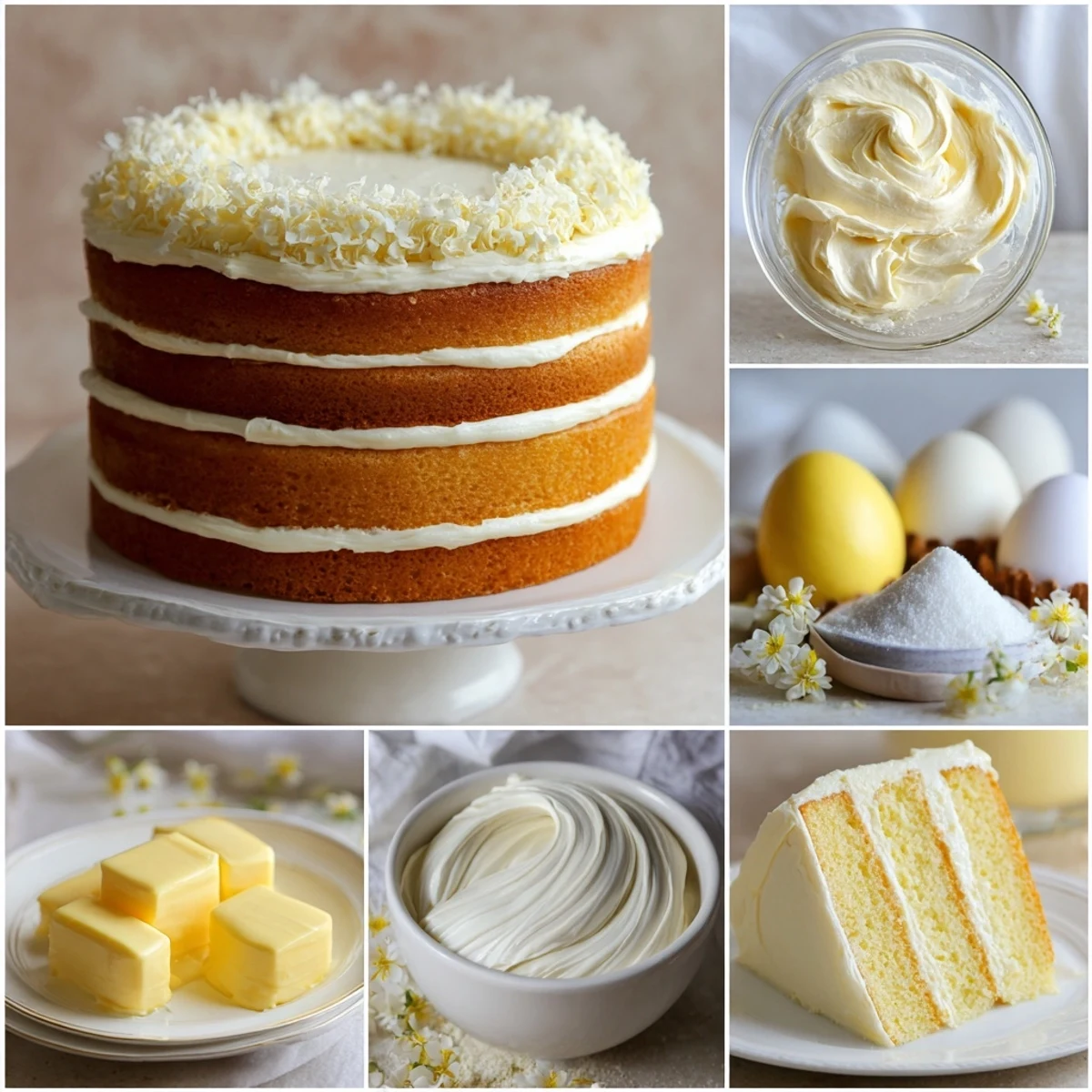
 This classic vanilla cake delivers wonderfully moist and tender layers with the perfect balance of sweetness. The creamy vanilla buttercream frosting adds rich, buttery perfection that complements the light crumb beautifully. Simple enough for everyday treats yet elegant for special occasions, this versatile dessert yields 12 generous servings and comes together in under an hour.
The morning sun streamed through my kitchen window as I creamed butter and sugar together, that sweet rhythmical sound filling the room. My daughter stood on a stool beside me, barely tall enough to see over the counter, gripping the whisk with both hands. We were making this vanilla cake for her birthday, and she'd insisted on doing everything herself with only my hands as gentle guides. The way her face lit up when those golden cakes emerged from the oven, perfectly domed and smelling like heaven, taught me that sometimes the simplest recipes hold the most magic.
I once made three of these cakes in one weekend for different friends' celebrations, and by Sunday evening, my kitchen had become something of a neighborhood bakery. People kept stopping by with the flimsiest excuses, but really they'd caught wind of that unmistakable vanilla scent drifting through open windows. Someone left a thank-you note on my porch that just said your cake makes everything better, and honestly, I think they were right.
Ingredients
- All-purpose flour: The backbone of this cake, providing structure without weighing it down
- Baking powder: Essential for that beautiful rise, make sure it's fresh for the tallest layers
- Salt: Just enough to enhance all the flavors and prevent the cake from tasting flat
- Unsalted butter: Softened to room temperature, this creates the tender crumb we're after
- Granulated sugar: Sweetens and helps create that delicate golden crust
- Large eggs: Must be room temperature to emulsify properly with the butter
- Pure vanilla extract: Don't skimp here, quality vanilla makes all the difference
- Whole milk: Adds moisture and richness, also at room temperature for smooth incorporation
- Unsalted butter for frosting: The secret to buttercream that's stable yet melt-in-your-mouth
- Powdered sugar: Sifted to prevent any lumps in your silky frosting
Instructions
- Getting started with warmth:
- Preheat your oven to 350°F with confidence, then generously grease two round cake pans and line them with parchment paper so nothing sticks to your dreams
- Whisking the dry ingredients:
- In a medium bowl, combine flour, baking powder, and salt until everything is evenly distributed and ready to work its magic
- Creating the fluffy base:
- Beat that softened butter and sugar together until the mixture turns pale and airy, usually about 3 to 4 minutes of patient mixing
- Adding life and richness:
- Crack in those room-temperature eggs one at a time, letting each one fully incorporate before adding the next, then pour in the vanilla
- The gentle folding technique:
- Alternate adding your flour mixture and milk, starting and ending with flour, mixing just until everything comes together
- Preparing for the oven:
- Divide that beautiful batter evenly between your prepared pans and smooth the tops with a spatula for even baking
- The transformation:
- Bake for 28 to 32 minutes until a toothpick inserted in the center comes out clean, then let them rest briefly in the pans
- The cooling patience test:
- After 10 minutes, turn the cakes onto wire racks to cool completely because warm cake melts frosting
- Whipping up frosting dreams:
- Beat butter until creamy, then gradually add powdered sugar, milk, vanilla, and a pinch of salt until silky smooth
- Bringing it all together:
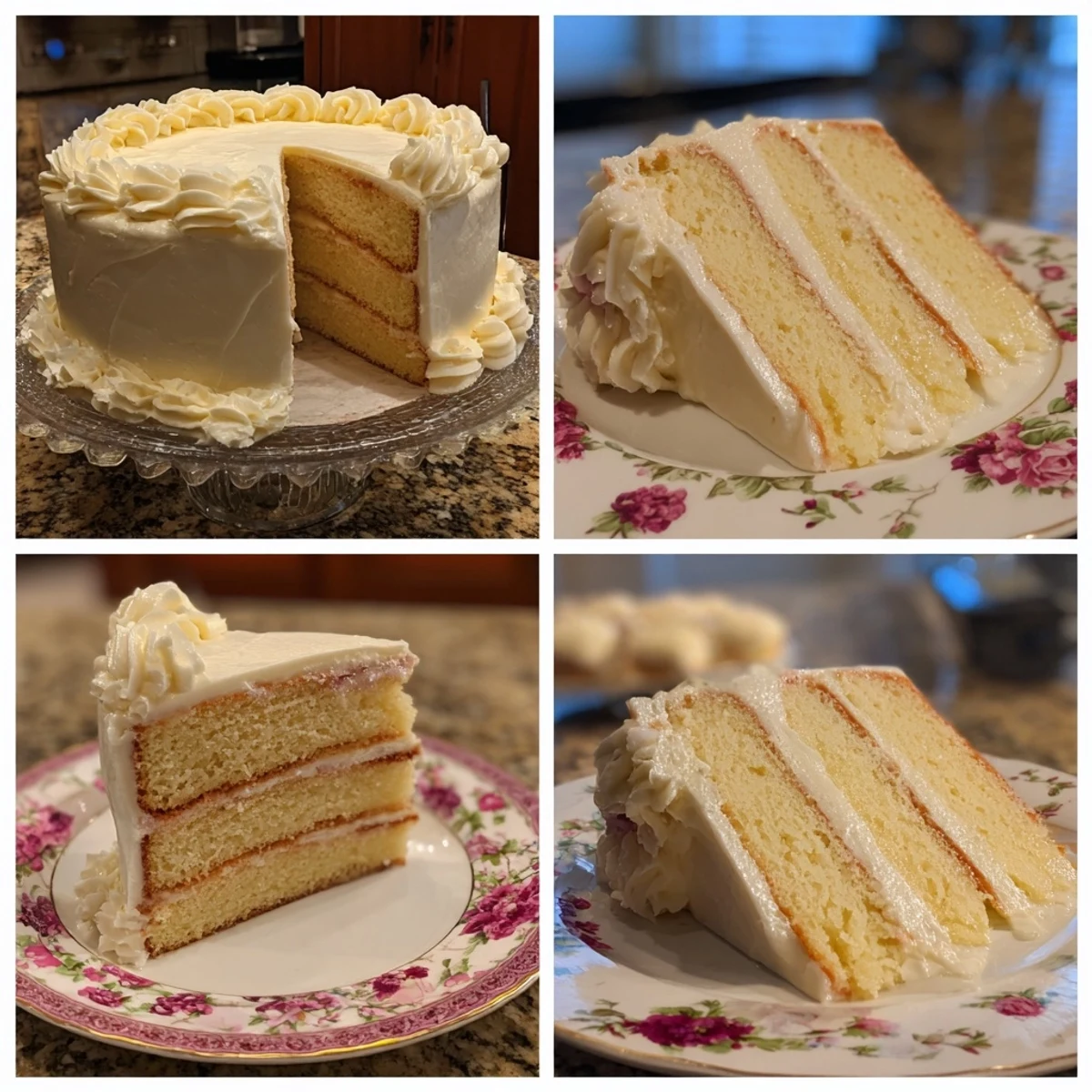
- Once cakes are completely cool, spread buttercream between layers and frost the top and sides with your prettiest swirls
 Pin It
 My grandmother used to say that a plain vanilla cake is the truest test of a baker's skill, because there's nowhere to hide imperfections. She'd watch me carefully, pointing out when I was rushing or when I hadn't creamed the butter long enough. Now whenever I bake this, I hear her voice saying the good things take time, and I slow down to appreciate the process.
Getting The Perfect Texture
The difference between a good vanilla cake and a great one often comes down to technique rather than ingredients. I've learned that creaming butter and sugar until it's practically white in color incorporates tiny air bubbles that make the final cake incredibly light. It's those small mechanical processes that transform humble ingredients into something extraordinary.
Making It Your Own
While this recipe is beautiful in its classic form, there are endless ways to customize it for different occasions. I've added lemon zest for spring birthdays, folded in fresh berries for summer gatherings, and even made it into a chocolate lover's dream by substituting some cocoa for flour. The base is so forgiving that it welcomes experimentation with open arms.
Storage And Make-Ahead Tips
One of the best things about this cake is that it actually tastes better the next day, giving you perfect flexibility for party planning. The flavors meld and the moisture distributes beautifully overnight, making it ideal for preparing ahead of time. I've frosted cakes the day before events and they've remained perfectly moist and delicious.
- Wrap unfrosted layers tightly in plastic and freeze for up to two months
- Let frozen cakes thaw completely at room temperature before frosting
- Store frosted cake under a cake dome or inverted bowl for up to three days
 Pin It
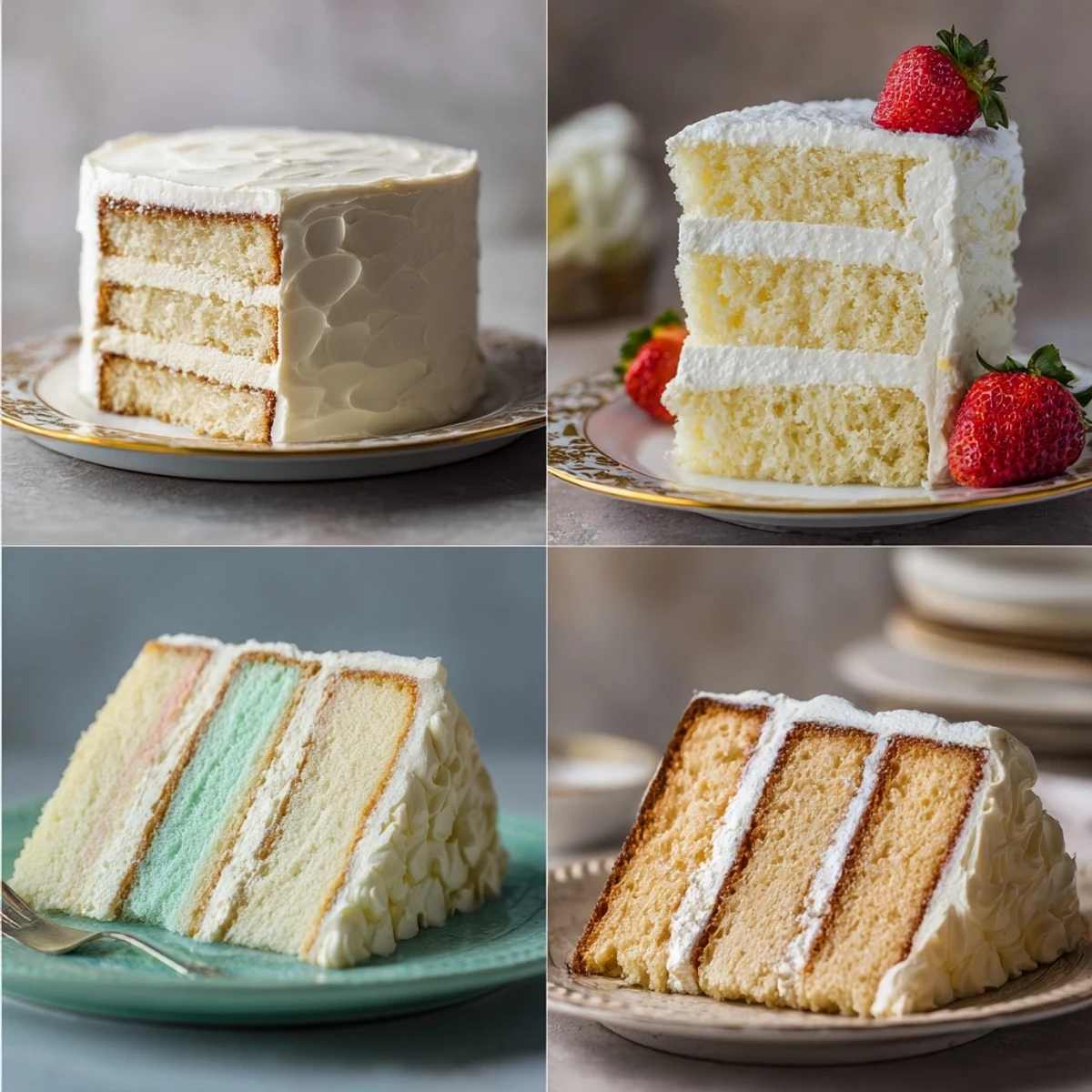
 Every slice of this vanilla cake carries the possibility of celebration, turning ordinary Tuesdays into something worth remembering. May your kitchen always smell like butter and happiness.
Recipe FAQs
- → How do I know when the cake is done baking?
-
Insert a toothpick into the center of the cake. If it comes out clean or with just a few moist crumbs, the cake is done. The edges should also start pulling away slightly from the pan sides.
- → Can I make the layers ahead of time?
-
Yes, bake and cool the layers completely, then wrap tightly in plastic wrap and freeze for up to 2 months. Thaw overnight at room temperature before frosting.
- → Why did my cake turn out dense?
-
Overmixing the batter can develop too much gluten, creating a dense texture. Mix only until ingredients are just combined. Also ensure ingredients are at room temperature for proper emulsification.
- → Can I use salted butter instead of unsalted?
-
You can substitute salted butter, but reduce the added salt in both the cake and frosting by half to prevent the final result from being too salty.
- → How should I store the finished cake?
-
Keep the frosted cake covered at room temperature for up to 3 days. For longer storage, refrigerate in an airtight container for up to a week, though bring to room temperature before serving for best texture.
- → Can I make this as a single round cake instead of layers?
-
Yes, use a single 9x13 inch pan and increase baking time to 35-40 minutes. The frosting amount will be quite generous for this size, so you might halve the frosting ingredients.