
 Pin It
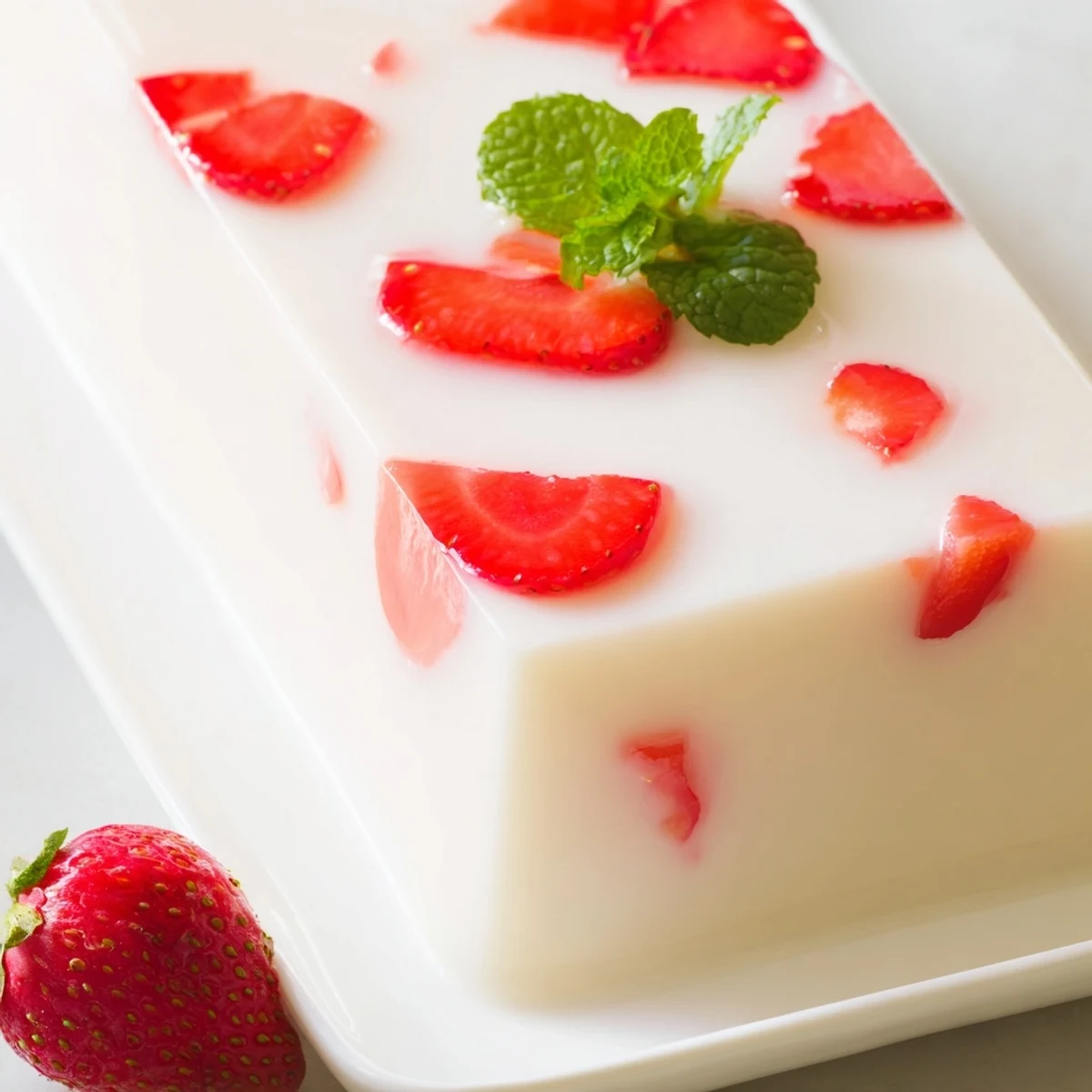
 This traditional Japanese confection combines the silky texture of milk-based yokan with the natural sweetness of fresh strawberries. The dessert relies on agar-agar for its delicate, jellied consistency, creating a light and refreshing treat that's particularly suited to spring and summer serving. With minimal cooking time and simple ingredients, this elegant dessert comes together quickly though requires several hours to chill and set properly.
The moment I first encountered yokan was at a tiny sweet shop in Kyoto during cherry blossom season. Something about that translucent, jewel-like dessert stayed with me for years. When I recreated it at home with strawberries and milk instead of the traditional red bean paste, it became one of those desserts that makes people pause and ask what exactly they're eating.
Last summer I brought a batch to a potluck and watched my friend Sarah stare suspiciously at the white squares flecked with red. She took the tiniest possible bite, then proceeded to eat three more pieces while trying to figure out how something so simple could taste so luxurious. Now she texts me every spring asking when strawberry season starts.
Ingredients
- Fresh strawberries: Choose berries that are fragrant and slightly underripe—overripe strawberries can turn mushy and release too much water into the custard
- Whole milk: The fat content is crucial here—skim milk makes a sad, rubbery yokan that lacks that velvety mouthfeel
- Granulated sugar: Agar needs some sugar to properly dissolve and set—plus it balances the natural tartness of fresh berries
- Powdered agar-agar: This seaweed based gelling agent creates a delicate, clean set unlike the bouncy texture of gelatin—don't substitute with flakes unless you adjust the amount
- Vanilla extract: Pure extract makes the milk taste like ice cream—imitation vanilla can leave a weird aftertaste in such a subtle dessert
Instructions
- Prep your strawberries:
- Hull and halve the berries, then arrange them cut side down in your mold—they'll look prettier when you unmold the dessert later
- Make the base:
- Whisk the milk, sugar, and agar together in a saucepan until the powder dissolves completely—take your time here because undissolved agar means lumpy yokan
- Heat it up:
- Bring everything to a gentle simmer over medium heat, stirring constantly—let it bubble for exactly 2 minutes to fully activate the agar
- Add flavor:
- Remove from heat and stir in the vanilla, then let the mixture cool for just 2 to 3 minutes so it doesn't cook the strawberries when you pour it
- Combine and set:
- Pour the warm milk over the strawberries, tap the mold to release bubbles, then cool to room temperature before refrigerating for at least 3 hours
- Serve:
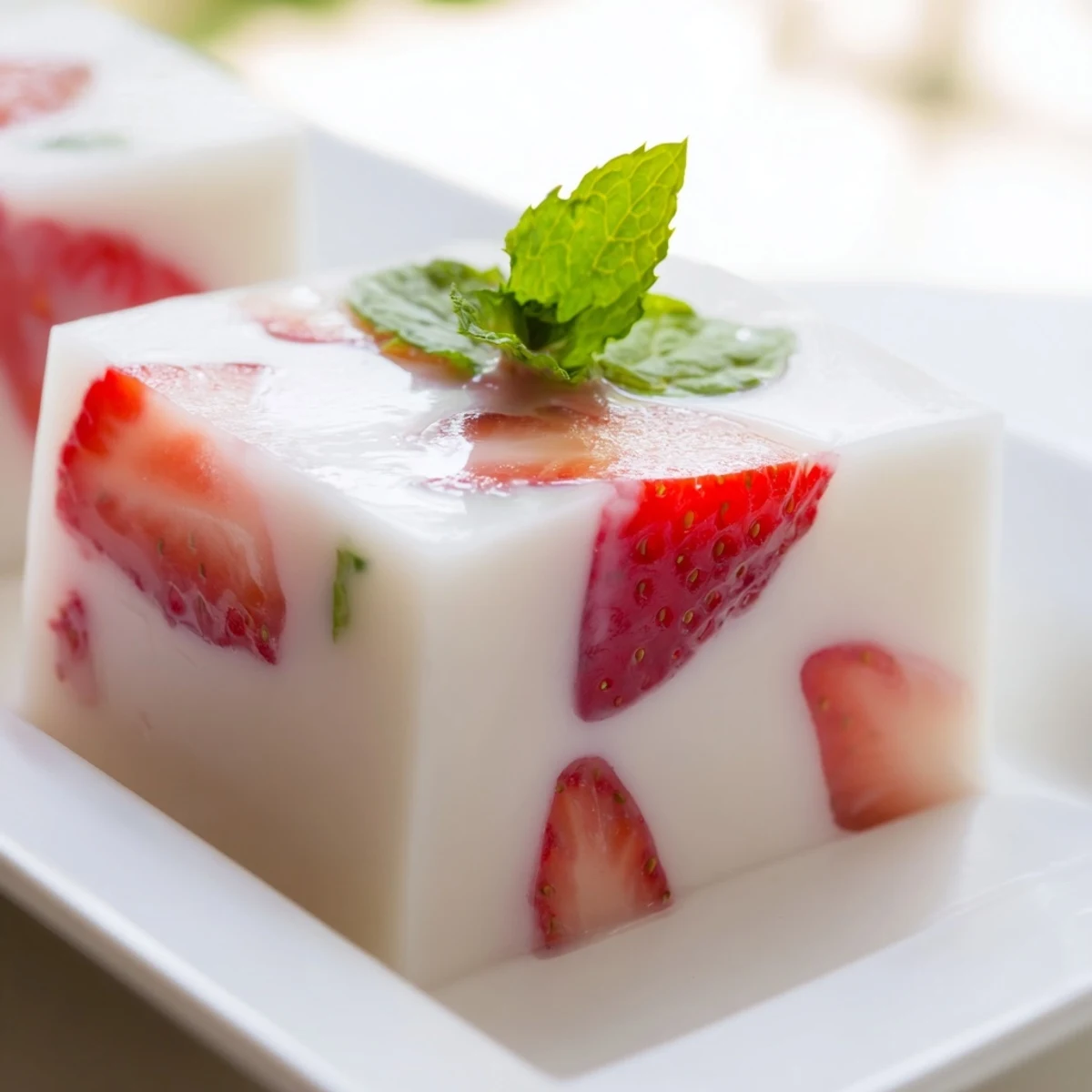
- Unmold onto a cutting board and slice into portions—try to get clean cuts with a wet knife for the prettiest presentation
 Pin It
 There was this one evening when I pulled a batch out of the fridge too early—the surface was still slightly wobbly and unset. My partner and I ended up eating it with spoons straight from the container, laughing at how something so elegant had become such a messy, perfect moment. Sometimes the mistakes taste better anyway.
Getting The Texture Right
The difference between a silky sliceable yokan and a rubbery disappointment comes down to patience. Letting the milk mixture cool slightly before pouring gives you that smooth, glass like finish. Rush this step and the strawberries will look sad and cooked instead of suspended in creamy perfection.
Mold Selection
A rectangular loaf pan works perfectly, but I've used everything from silicone molds to a glass baking dish. Shallow containers set faster and are easier to unmold. If you're nervous about the release, line your mold with parchment paper leaving overhang on the sides—lift it out like a brownie and nobody will know.
Flavor Variations
Once you master the basic technique, the possibilities become endless. Matcha powder makes a stunning green version, while a tablespoon of rose water transforms it into something perfumed and elegant. Some nights I skip the fruit entirely and just make a plain milk yokan topped with black sesame seeds.
- Swap strawberries for diced mango or peach in summer
- Add a splash of almond extract along with the vanilla for a marzipan note
- Try coconut milk instead of dairy for a tropical variation that sets slightly firmer
 Pin It
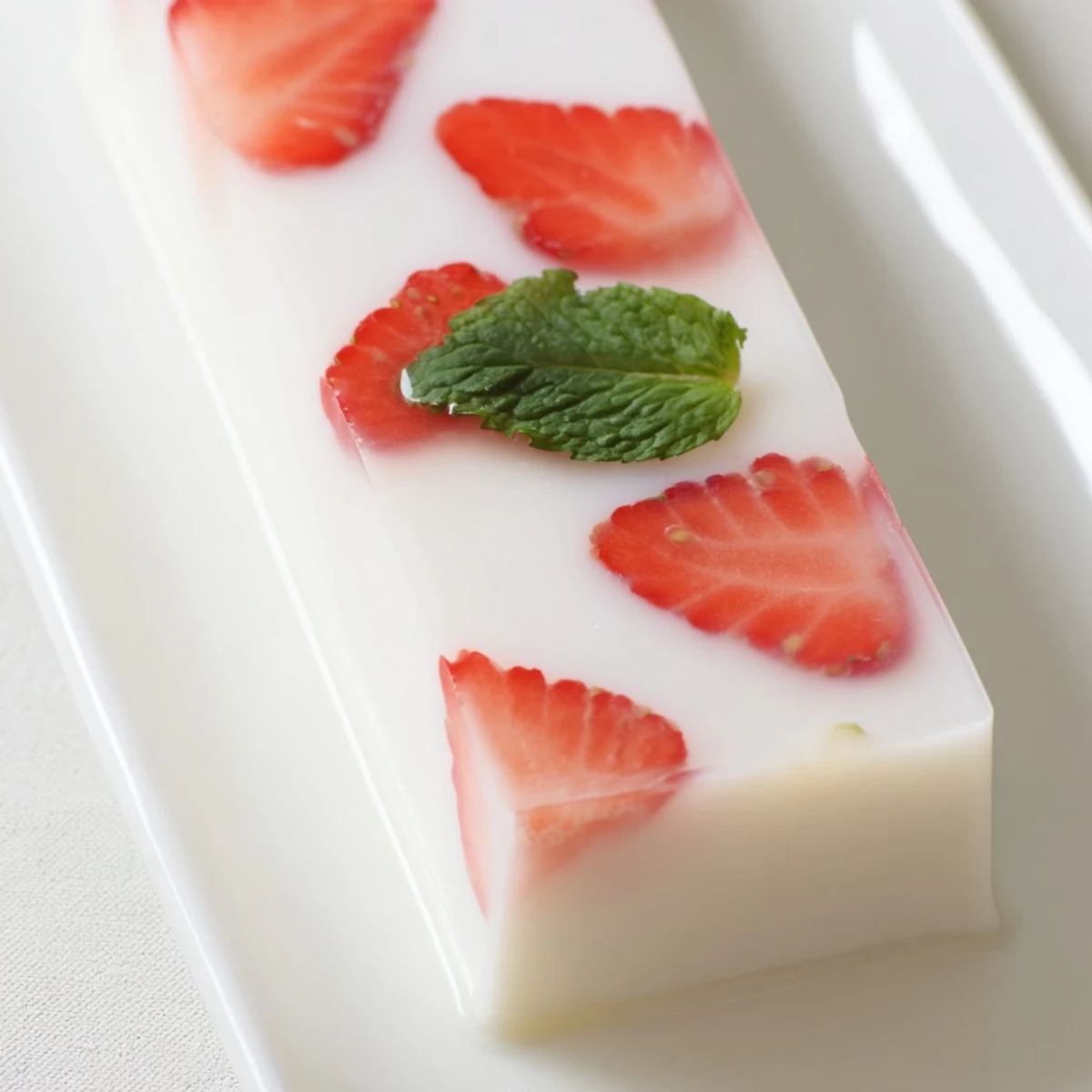
 There's something deeply satisfying about a dessert that requires only a handful of ingredients but looks like you spent hours perfecting it. This strawberries and milk yokan has become my go to for moments when I want to serve something beautiful without actually trying that hard.
Recipe FAQs
- → What is yokan made of?
-
Yokan is a traditional Japanese confection typically made from red bean paste, agar-agar, and sugar. This variation uses whole milk instead of bean paste for a creamy, dairy-based version that's lighter and more delicate.
- → How long does milk yokan need to set?
-
The yokan requires at least 3 hours in the refrigerator to fully set. For best results, allow it to chill overnight, which creates a firmer texture and makes slicing easier and cleaner.
- → Can I use other fruits besides strawberries?
-
Absolutely. While strawberries provide lovely color and sweetness, you can substitute with other seasonal fruits like diced peaches, blueberries, raspberries, or mandarin orange segments depending on your preference and availability.
- → Is agar-agar the same as gelatin?
-
No, agar-agar is a plant-based gelling agent derived from seaweed, making it suitable for vegetarian and vegan diets. Unlike gelatin, it sets at room temperature and has a firmer, more brittle texture when set.
- → How should I store leftover yokan?
-
Keep the yokan refrigerated in an airtight container for up to 2 days. The texture remains best when consumed fresh, as prolonged storage may cause the strawberries to release excess moisture and soften the surrounding milk mixture.
- → Can I make this dessert dairy-free?
-
Yes, simply substitute the whole milk with coconut milk or almond milk. Note that coconut milk will add subtle tropical notes and create a slightly richer consistency, while almond milk produces a lighter, more neutral flavor profile.