
 Pin It
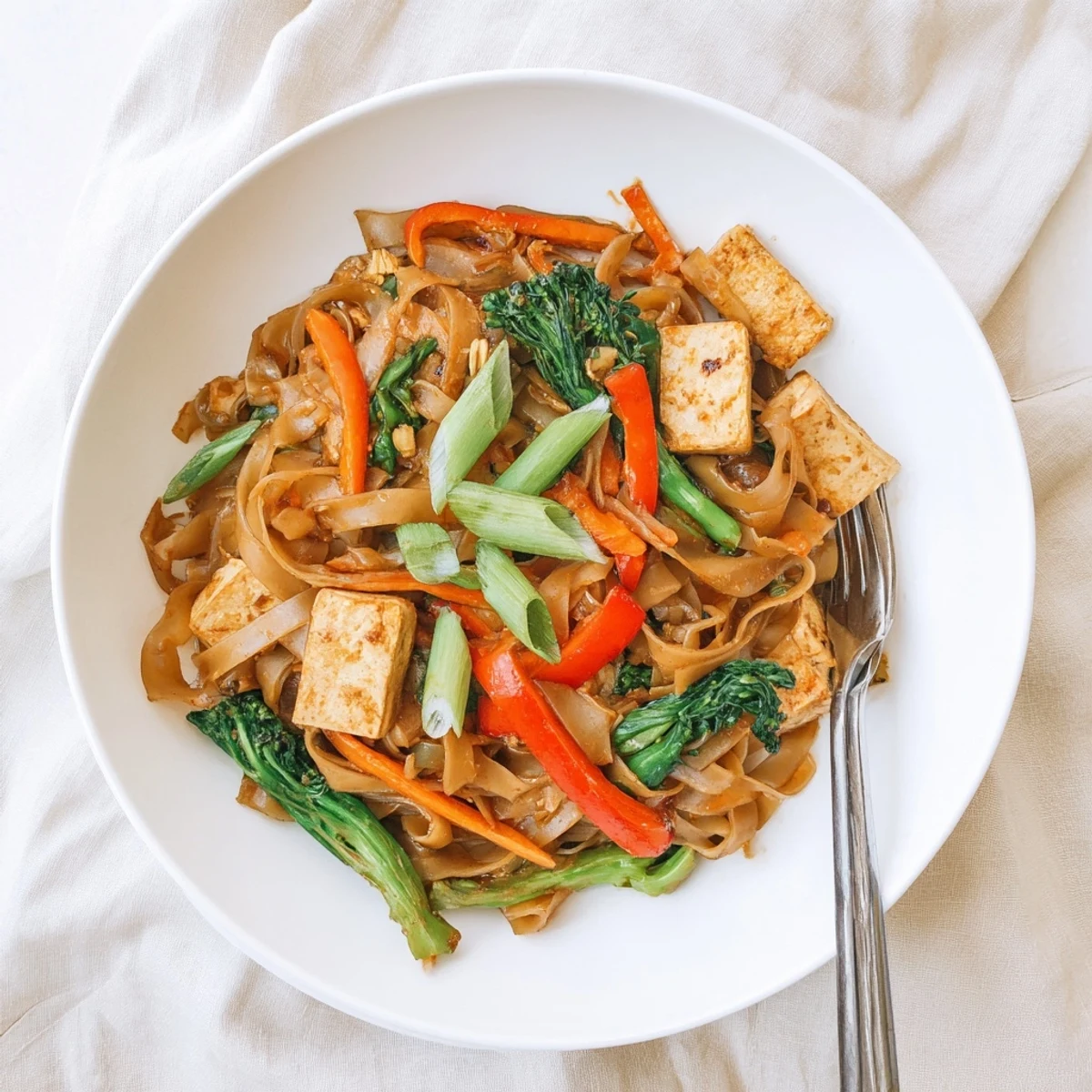
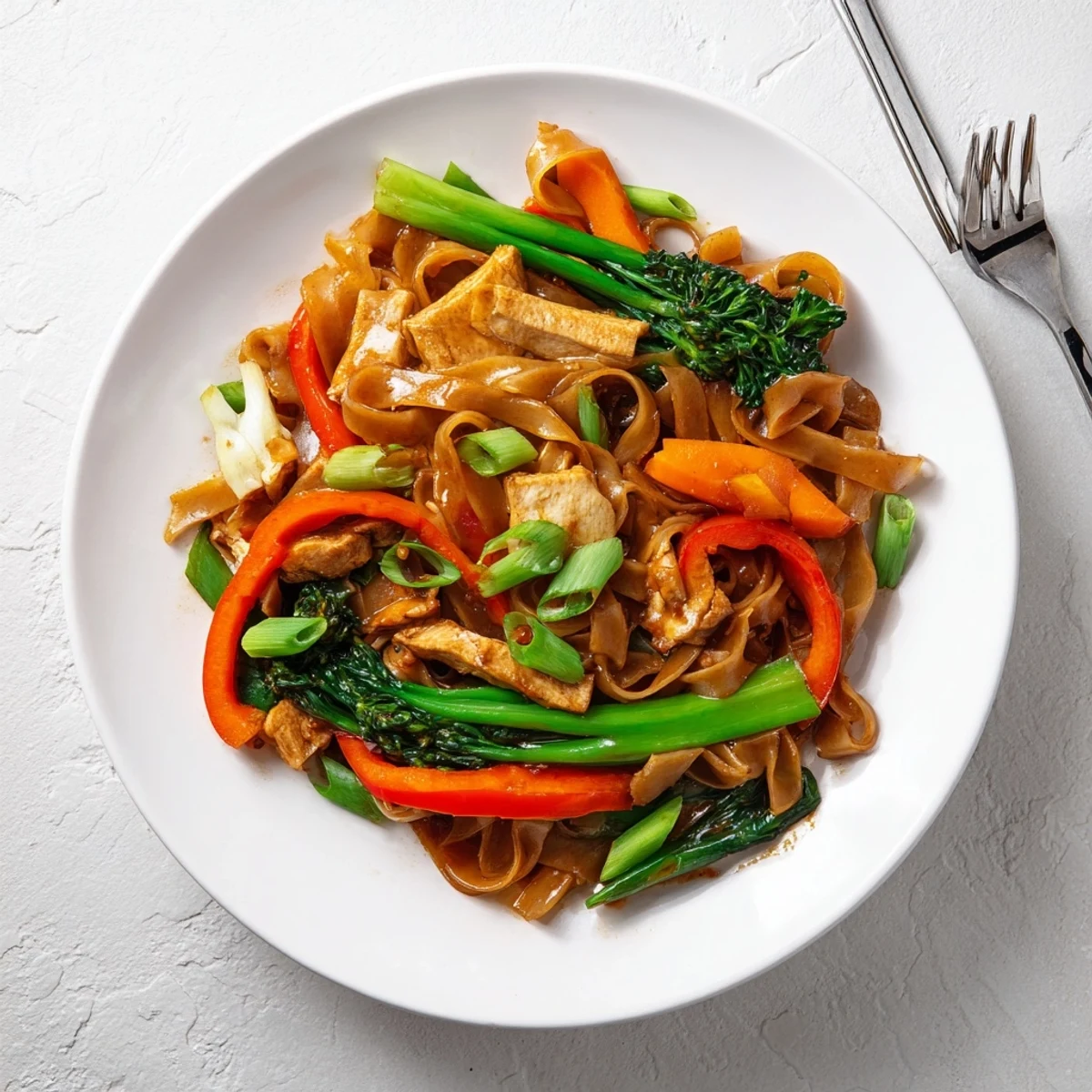
 Experience authentic Thai flavors with this plant-based twist on Pad See Ew. Wide rice noodles wok-seared to perfection with marinated tofu strips, crisp Chinese broccoli, julienned carrots, and bell peppers in a rich, savory sauce made from light and dark soy with vinegar notes.
The secret lies in the technique—achieving that signature smoky char on the noodles while keeping them chewy and tender. Fresh garlic aromatics, tangy lime finish, and optional chili heat create layers of flavor that make this dish both comforting and exciting.
Perfect for busy weeknights, this one-pan meal comes together in just 30 minutes. Customize with your favorite vegetables or add mushrooms for extra depth. The naturally vegan ingredients deliver satisfying protein and complex umami without any animal products.
The first time I attempted pad see ew in my tiny apartment kitchen, I underestimated the power of a properly heated wok. My noodles ended up as a sad, clumpy mess that stuck to everything except my fork. Three restaurant visits and many failed experiments later, I finally understood the rhythm of the dish and it is now my go-to comfort food.
Last summer, my friend who had recently gone vegan mentioned missing takeout nights. I made this for her, expecting a polite taste-test, but she literally did a happy dance in her chair. Now whenever she visits, this appears on the menu without discussion.
Ingredients
- Wide rice noodles: Fresh noodles give the best texture but dried ones work perfectly if you soak them properly and dont overcook
- Firm tofu: Press it for 15 minutes before slicing to remove excess water so it develops a nice golden exterior
- Chinese broccoli: The stems add crunch and leaves bring bitterness that cuts through the sweet sauce
- Dark soy sauce: This is non-negotiable for that signature dark color and deep caramel flavor
- Vegan oyster sauce: Mushroom-based versions deliver that umami richness without any seafood
- Rice vinegar: A tiny splash brightens everything and keeps the sauce from feeling too heavy
Instructions
- Mix your sauce ahead:
- Whisk together both soy sauces, vegan oyster sauce, sugar, vinegar, and water in a small bowl until sugar dissolves completely
- Prep the noodles:
- Cook fresh noodles briefly or soak dried ones until pliable, then drain and toss with a teaspoon of oil to prevent sticking
- Heat your wok properly:
- Get your oil shimmering in a large wok over medium-high heat, then add garlic and let it sizzle for just 20 seconds until fragrant
- Crisp the tofu first:
- Add your tofu strips and let them cook undisturbed for 2 minutes to develop golden edges before flipping
- Add hearty vegetables:
- Toss in broccoli stems, carrots, and bell peppers first since they need a bit more time to become tender-crisp
- Bring everything together:
- Pour in your noodles and sauce, then gently toss with tongs for 1 minute so every strand gets coated in that glossy sauce
- Finish with the greens:
- Add broccoli leaves last and stir-fry just until wilted, about 1 minute, then serve immediately while hot
 Pin It
 This recipe transformed Tuesday night dinners from an afterthought into something I actually look forward to making. Theres something deeply satisfying about hearing vegetables hiss in a hot wok and watching plain noodles turn into something glossy and fragrant.
Getting the Noodle Texture Right
The biggest mistake people make is overcooking the noodles before they even hit the wok. Fresh rice noodles need just 30 seconds in boiling water to loosen, while dried ones should be soaked until pliable but still firm in the center. They finish cooking in the sauce, absorbing all those flavors while maintaining their chewy texture.
Building Your Stir-Fry Confidence
High heat and quick movements are intimidating at first but you will develop a feel for it. Listen to the sound of your ingredients and pay attention to how quickly vegetables release their aroma. A properly heated wok creates this beautiful sizzling sound that tells you everything is working as it should.
Customizing Your Bowl
Once you master the basic technique, this recipe becomes a template for whatever vegetables or proteins you have on hand. The sauce proportions stay consistent but the fillings can change with the seasons or your mood.
- Add shiitake mushrooms for extra umami depth
- Throw in snap peas or baby corn for different textures
- Top with crushed peanuts if you want some crunch
 Pin It
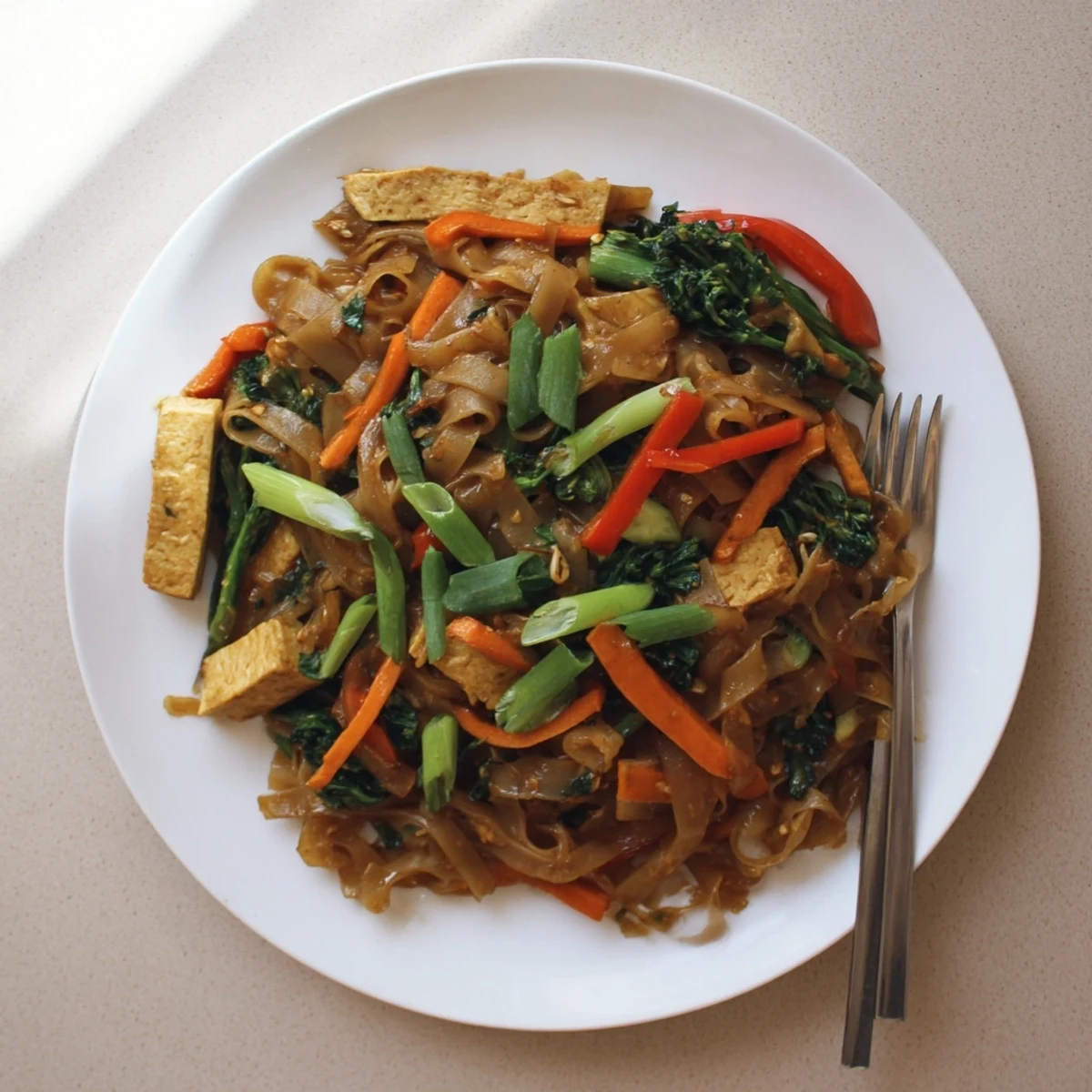
 There is nothing quite like sliding into a chair with a steaming plate of these noodles, the smell of garlic and charred vegetables still lingering in the air. Some nights the simplest recipes become the ones that stick with you longest.
Recipe FAQs
- → What makes this dish authentically Thai?
-
The combination of wide rice noodles, Chinese broccoli (gai lan), and the balance of light and dark soy sauce creates the traditional Pad See Ew flavor profile. The wok-searing technique develops that characteristic smoky essence found in street-style versions.
- → Can I prepare the components ahead of time?
-
Absolutely. Mix the sauce and store it refrigerated for up to a week. Pre-cut vegetables and slice tofu in advance, keeping them in airtight containers. This makes the actual cooking process quick and efficient for weeknight meals.
- → What protein alternatives work well?
-
Beyond tofu, try tempeh strips, seitan, or shiitake mushrooms for meaty texture. Edamame or mung beans add protein while maintaining the Asian flavor profile. Chickpea tofu works for soy-free needs while absorbing the savory sauce beautifully.
- → How do I prevent noodles from sticking?
-
Toss freshly cooked noodles with a teaspoon of oil immediately after draining. Keep them moving in the wok during cooking, and don't overcrowd the pan. If using dried noodles, soak until pliable but still slightly firm—they'll finish cooking during stir-frying.
- → What vegetables can substitute for Chinese broccoli?
-
Broccolini maintains the closest texture and flavor. Regular broccoli florets work well—just add stems earlier as they take longer to cook. Bok choy, choy sum, or even kale provide similar leafy elements and nutritional benefits.
- → Is gluten-free soy sauce necessary?
-
Only if you're avoiding gluten. Traditional soy sauce contains wheat, but tamari or certified gluten-free soy sauces provide the same flavor profile. Always check labels on vegan oyster sauce alternatives as well, since some contain wheat-based thickeners.