
 Pin It
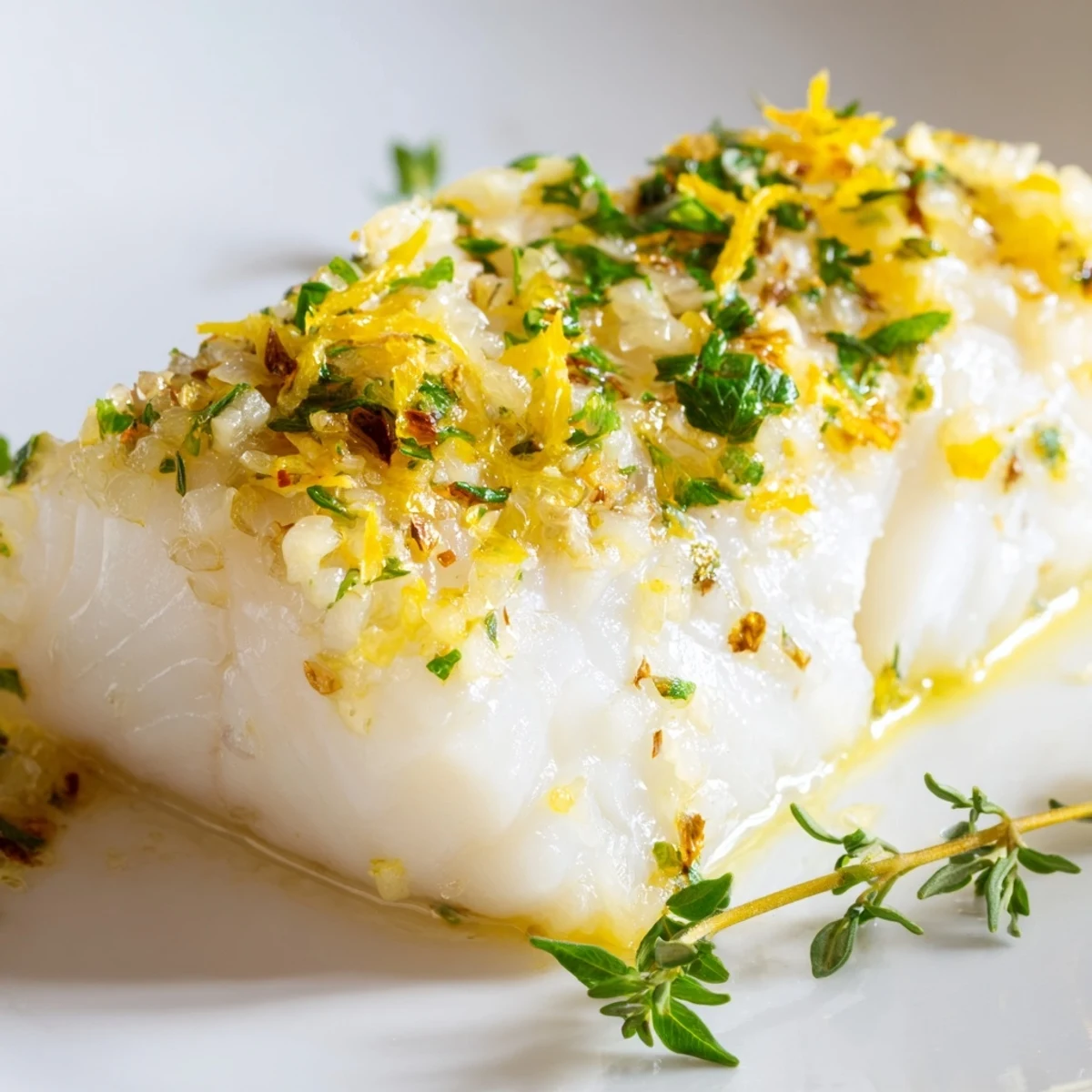
 This dish features tender halibut fillets gently baked in a fragrant garlic butter sauce, enhanced with lemon juice, zest, and fresh herbs. The fish cooks to a flaky, moist texture with minimal effort, making it ideal for both weeknight dinners and special occasions. Simply season the fillets, coat with the aromatic butter mixture, and bake until opaque throughout. Garnish with lemon wedges and parsley for a fresh finish. Variations can include substituting cod or haddock and adding white wine for extra depth. Serve alongside steamed vegetables or a crisp salad for a balanced plate.
I discovered this recipe during a rainy Tuesday when my neighbor brought over fresh halibut from the farmers market, and we needed something fast but impressive. She mentioned her grandmother always finished fish with garlic butter, and watching the fillets turn golden and flake apart in the oven felt like uncovering a small culinary secret. Now it's my go-to when I want to feel like I'm cooking something special without spending hours in the kitchen.
I made this for my sister last spring when she was going through a rough patch, and she sat at my kitchen counter while the fish baked, just breathing in the lemony garlic aroma. She told me later that smell alone made her feel like things were turning around. That's when I realized good food isn't just about eating—it's about the moment you share while it's cooking.
Ingredients
- Halibut fillets (4, about 6 oz each): Look for thick, firm fillets that smell briny and fresh, never fishy—that's your sign they're actually good quality.
- Olive oil (1 tablespoon): This brushed on before baking creates a protective layer so the fish doesn't stick and turns the edges golden.
- Salt and black pepper: Don't skip the fresh grinding; pre-ground pepper tastes stale against delicate fish.
- Unsalted butter (4 tablespoons, melted): The backbone of everything—use good butter and let it come to room temperature so it emulsifies properly into that silky sauce.
- Garlic cloves (3, minced): Mince them fine and let the minced pieces rest for five minutes before cooking to release their subtle sweetness.
- Fresh lemon juice (1 tablespoon) and zest (1 teaspoon): Zest first, then juice the lemon—the bright acid balances all that rich butter and cuts through the fish beautifully.
- Fresh parsley (2 tablespoons, chopped): This isn't just garnish; it adds a peppery freshness that prevents the dish from feeling heavy.
- Fresh thyme (1 teaspoon, optional): If you use it, strip the leaves off the stems—they'll taste fresher and won't get stuck in your teeth.
- Lemon wedges and extra parsley for finishing: These aren't afterthoughts; they're your visual signal that something special is happening on the plate.
Instructions
- Set your oven and prep your stage:
- Preheat to 400°F and lightly grease your baking dish—this warmth will gently cook the delicate fish from below while the butter seals in moisture from above. Have everything measured and ready before you touch the halibut, because once it's on its way into the oven, you want to move quickly.
- Dry and season the fillets:
- Pat the halibut completely dry with paper towels; any moisture will steam the fish instead of letting it bake. Brush with olive oil, then season generously with salt and pepper on both sides—you want it to taste like something, not bland.
- Build your garlic butter:
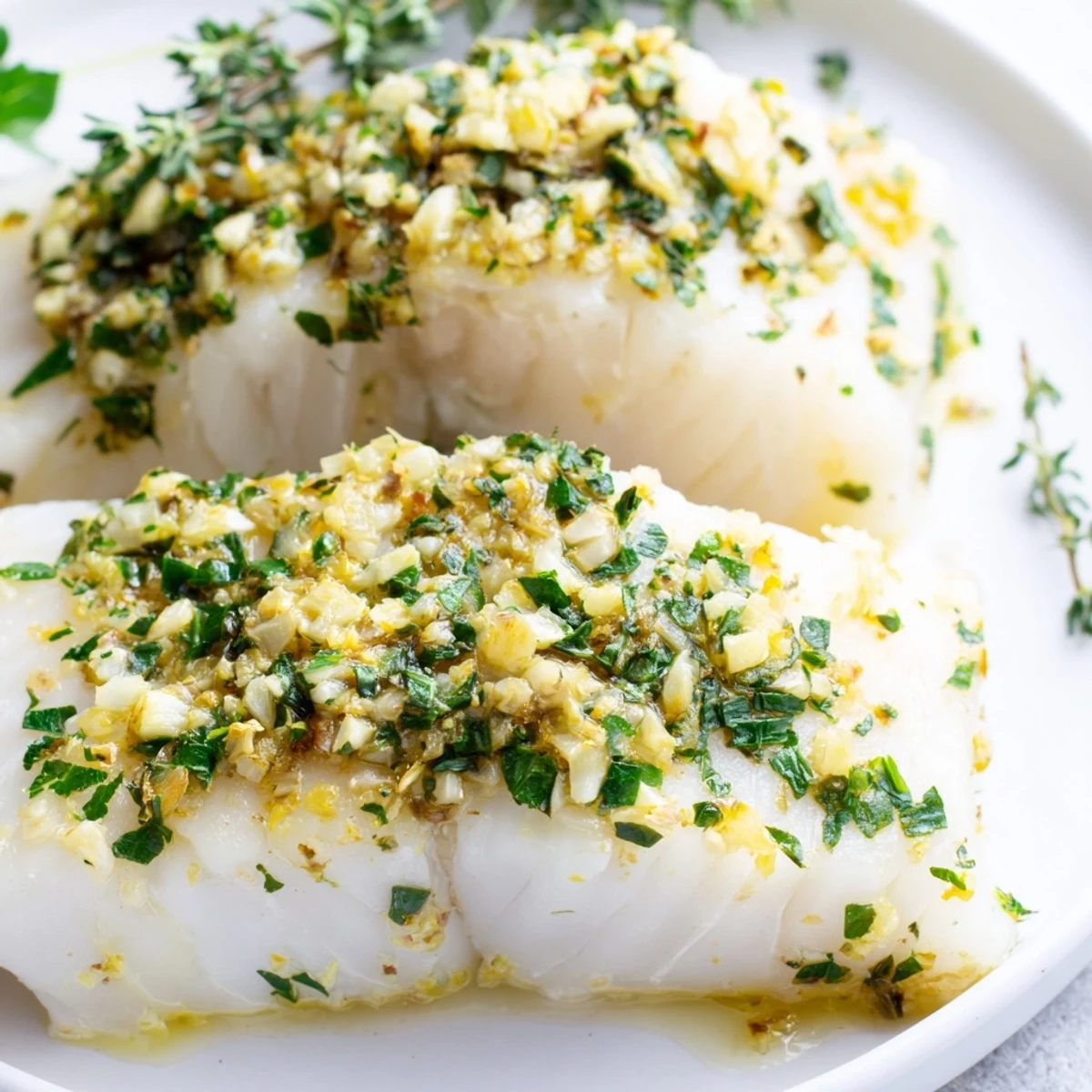
- Combine melted butter, minced garlic, lemon juice, zest, parsley, and thyme in a small bowl while the oven preheats. The warm butter will slightly cook the garlic without burning it, mellowing its bite just enough.
- Bring it all together:
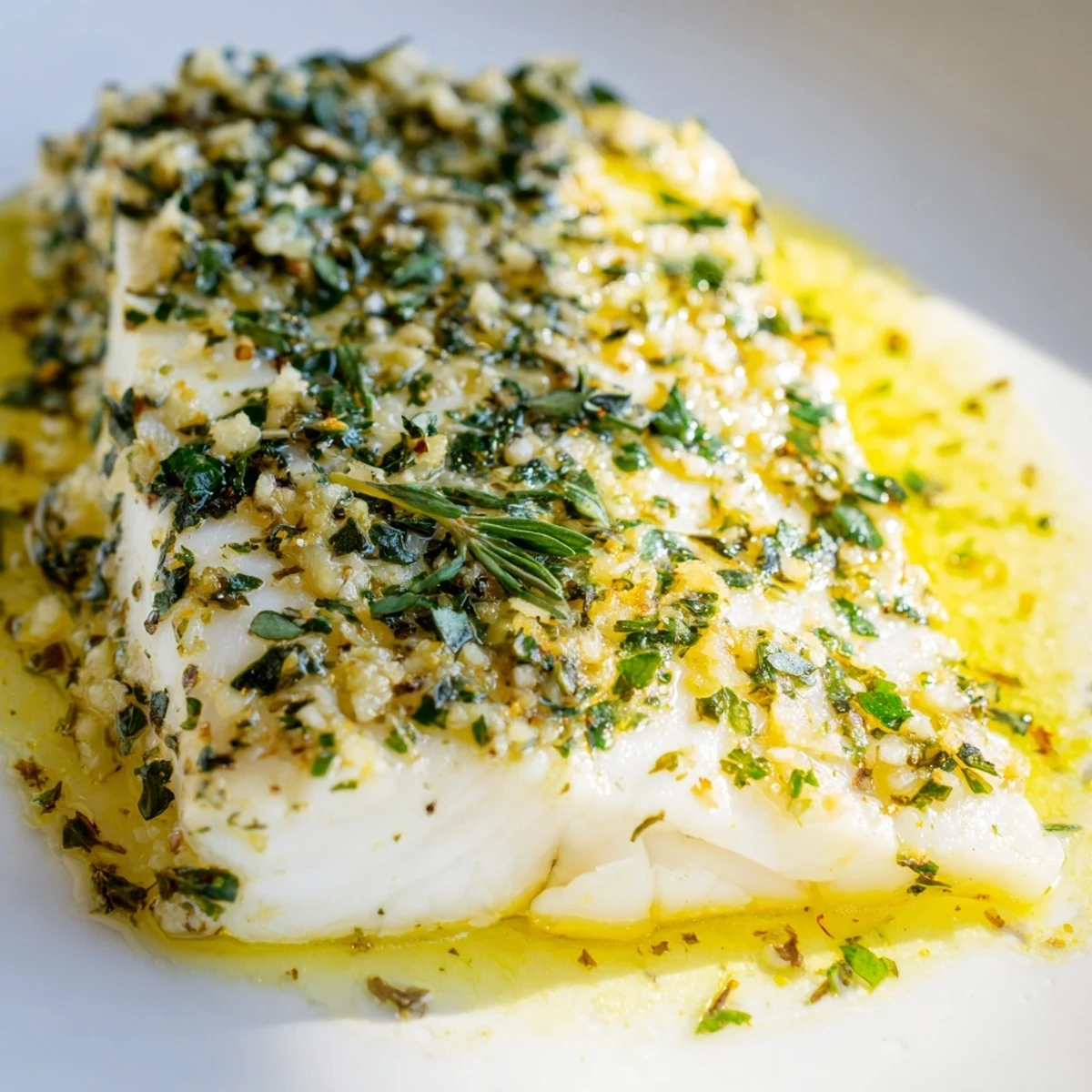
- Place fillets in the dish, spoon that butter mixture evenly over each one, and slide everything into the hot oven. You'll know it's done when the fish turns opaque and flakes when you test it gently with a fork—don't wait for it to look cooked on top, because by then the inside might be dry.
- Rest and serve:
- Pull it out of the oven, let it settle for just a minute, then finish with fresh lemon wedges and a scatter of parsley. The residual heat will continue cooking the fish gently while you plate, and that butter will be liquid gold on the plate.
 Pin It
 The best time I made this was on a night when everything felt hectic, but sitting down to eat something this beautiful and tasting how buttery and bright it was made me slow down completely. That's when I understood why people fuss over proper cooking—it gives you permission to pause.
Choosing Your Fish Wisely
Halibut has this natural delicate sweetness that deserves respect, but the catch matters. Ask your fishmonger when it came in, smell it if they let you, and watch for flesh that's translucent white with no browning at the edges. I've learned the hard way that the cheapest option often means the fish has been sitting longer than it should.
Why the Oven Does the Heavy Lifting
Baking halibut instead of pan-searing it means you get even, gentle heat from below and the butter infusing from above without any risk of sticking or burning. The gentle warmth makes the fish taste more like itself instead of tasting like whatever technique tried to force it into submission. It's the lazy way to look like you know what you're doing.
Building Flavor Without Complication
The trick here is that garlic butter sounds fancy but it's literally just five ingredients that have always tasted good together. By the time you plate, that butter has caught all the fish juices and turned into the best sauce you didn't technically make.
- Don't skip zesting the lemon fresh over the dish before serving—bottled zest tastes like a memory of lemon.
- If you want to add depth, a splash of dry white wine in the baking dish before the fish goes in creates complexity with zero extra effort.
- Serve with something to soak up the butter, whether that's bread, rice, or just roasted vegetables—the sauce is too good to waste.
 Pin It
 This dish is proof that sometimes the simplest approach is the most elegant, and that cooking something delicate and perfect can be your own small act of care. Make it for someone you want to slow down with.
Recipe FAQs
- → How can I tell when halibut is perfectly cooked?
-
Halibut is done when it becomes opaque and flakes easily with a fork. An internal temperature of 130–135°F (54–57°C) ensures moist, tender fish.
- → Can I use other types of fish in this dish?
-
Yes, cod or haddock make excellent substitutes and can be prepared the same way for a similar result.
- → What can I serve alongside baked halibut with garlic butter?
-
Steamed vegetables, rice, or a fresh green salad complement this flavorful fish perfectly.
- → Is it possible to make this dish dairy-free?
-
Replace butter with olive oil for a dairy-free version while maintaining rich flavors.
- → How do fresh herbs affect the flavor profile?
-
Fresh parsley and thyme add brightness and subtle earthiness that enhance the garlic butter's richness.