
 Pin It
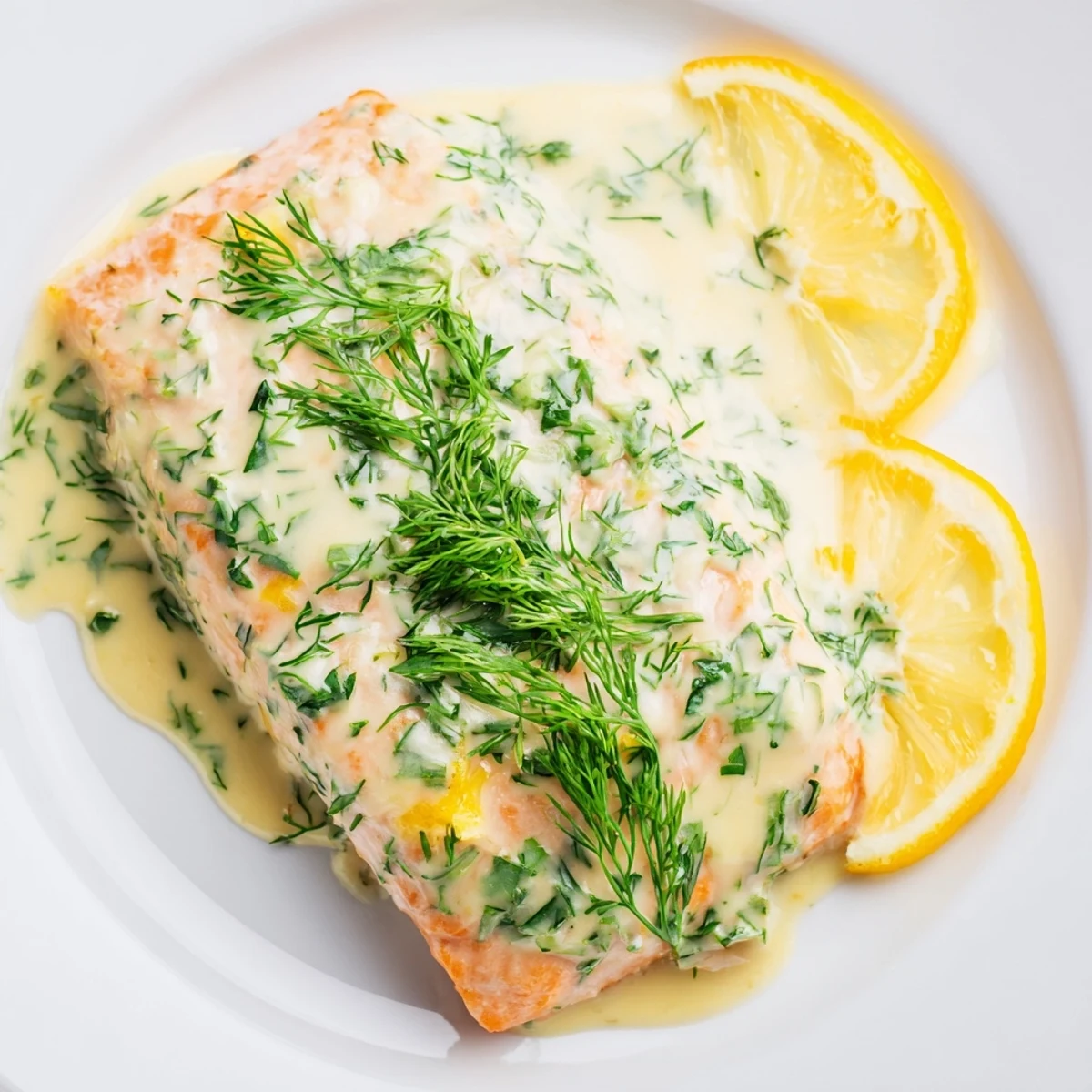
 This dish features tender salmon fillets baked to perfection and topped with a vibrant sauce made from butter, garlic, cream, lemon zest, juice, and freshly chopped dill. The flaky fish absorbs the delicate flavors, while the sauce adds a creamy, tangy touch. Simple to prepare, it suits both casual dinners and elegant gatherings. Serve with steamed vegetables or roasted potatoes for a balanced meal.
I pulled this recipe together on a rainy Tuesday when I had twenty minutes before everyone got home. The smell of lemon and dill mixing with butter still reminds me of that evening—simple, warm, and exactly what we needed. Since then, it's become my go-to whenever I want something that feels special without the fuss.
The first time I made this for friends, I panicked because I'd forgotten to buy wine. Then I realized the lemon and dill were doing all the heavy lifting—nobody even noticed. One friend asked for the recipe before she'd finished her plate, and I've been sharing it ever since.
Ingredients
- Salmon fillets: Look for fillets that are evenly thick so they cook at the same rate, and don't worry about skin-on or skinless—both work beautifully.
- Olive oil: Just enough to keep the fish moist and help the seasoning stick without adding heaviness.
- Unsalted butter: Gives the sauce that silky richness, and using unsalted lets you control the salt level exactly how you like it.
- Garlic cloves: Fresh garlic makes all the difference here, the jar stuff just doesn't bloom the same way in butter.
- Heavy cream: This is what makes the sauce cling to the salmon, though you can go lighter if you prefer.
- Lemon zest and juice: The zest brings floral brightness, the juice adds tang—together they wake up every bite.
- Fresh dill: Dried dill won't give you the same green, grassy pop, so grab a bunch and use what's left in salads.
Instructions
- Get the oven ready:
- Preheat to 200°C (400°F) and line your baking sheet with parchment so cleanup is a breeze.
- Prep the salmon:
- Pat the fillets completely dry with paper towels, brush with olive oil, and season both sides with salt and pepper. Dryness is key—it helps the seasoning stick and the edges crisp up a little.
- Bake:
- Slide the salmon into the oven for 12 to 15 minutes, checking at 12 if your fillets are on the thinner side. You'll know it's done when it flakes easily and the center is just opaque.
- Start the sauce:
- While the salmon bakes, melt butter in a small saucepan over medium heat and add the garlic. Let it sizzle for about a minute until your kitchen smells amazing.
- Build the sauce:
- Pour in the cream, lemon zest, and lemon juice, then let it simmer gently for 2 to 3 minutes, stirring now and then. It'll thicken just enough to coat the back of a spoon.
- Finish with dill:
- Pull the pan off the heat and stir in the chopped dill, then taste and adjust salt and pepper.
- Plate and serve:
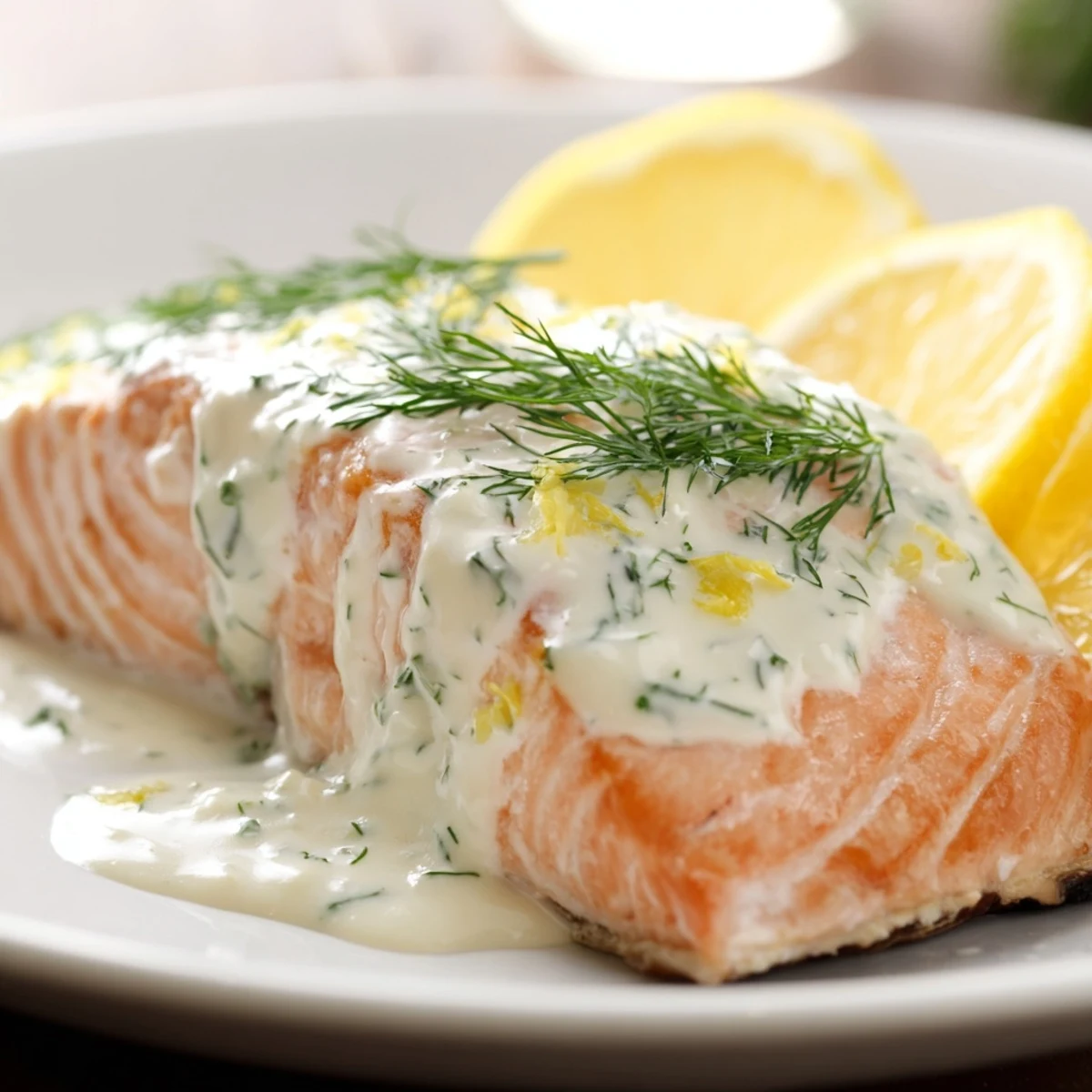
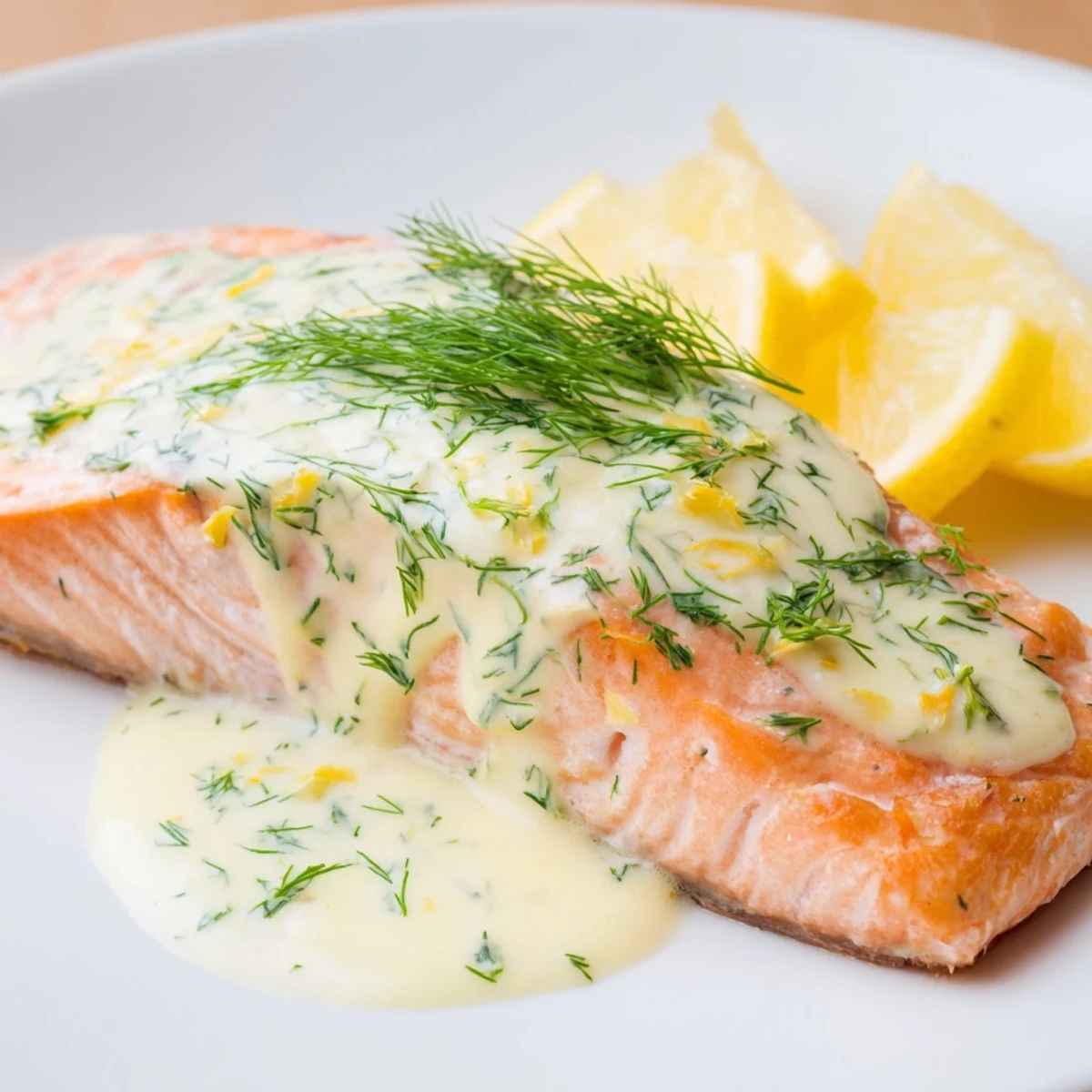
- Set each fillet on a plate, spoon the warm sauce over the top, and finish with lemon slices and a few dill sprigs.
 Pin It
 There's something about the way lemon and dill smell together that makes the whole house feel lighter. My youngest used to wrinkle her nose at fish, but she'd sneak bites of the sauce-soaked salmon when she thought I wasn't looking. Now she asks for it by name.
Serving Suggestions
I usually pair this with steamed asparagus or roasted baby potatoes tossed in olive oil and sea salt. A crisp green salad with a simple vinaigrette keeps things bright, and crusty bread is perfect for soaking up every last bit of that sauce.
Make It Lighter
If you want to cut the richness without losing flavor, swap half the heavy cream for half-and-half or even whole milk. The sauce will be a little thinner, but it still tastes wonderful and clings to the fish just fine.
Storage and Leftovers
Leftover salmon keeps in the fridge for up to two days and is delicious cold on salads or flaked into scrambled eggs. The sauce thickens as it cools, so warm it gently on the stove with a splash of cream or milk to bring it back to life.
- Reheat salmon gently in a 150°C (300°F) oven to avoid drying it out.
- Store the sauce separately so the fish doesn't get soggy.
- Use leftover dill in yogurt dips, potato salad, or tossed with pasta.
 Pin It
 This dish has saved more weeknights than I can count, and it's fancy enough that I've served it at dinner parties without changing a thing. I hope it becomes one of your favorites too.
Recipe FAQs
- → What is the best way to bake salmon for this dish?
-
Preheat the oven to 200°C (400°F) and bake the salmon fillets for 12–15 minutes until they flake easily with a fork and reach an internal temperature of 63°C (145°F).
- → How do I prepare the dill and lemon sauce?
-
Simmer butter and minced garlic, then stir in heavy cream, lemon zest and juice. Cook gently before mixing in chopped fresh dill and seasoning to taste.
- → Can I use other herbs instead of dill?
-
Dill provides a distinctive flavor that pairs well with salmon, but tarragon or parsley can be used as milder alternatives.
- → What sides complement this salmon dish?
-
Steamed asparagus, roasted potatoes, or a crisp green salad work beautifully alongside this rich yet refreshing salmon preparation.
- → Can the sauce be made lighter?
-
Yes, substituting half-and-half or low-fat cream in place of heavy cream lightens the sauce without compromising flavor.