
 Pin It
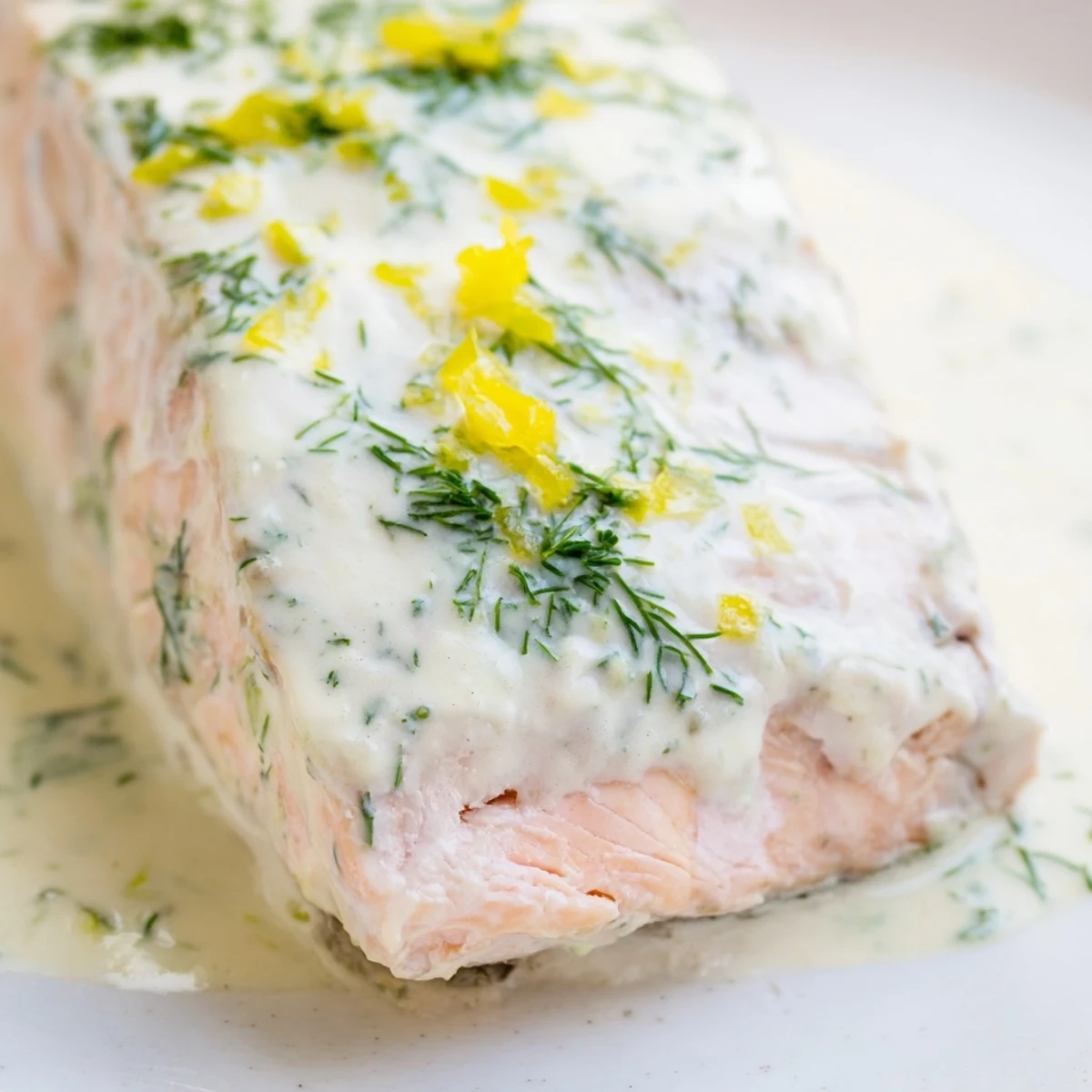
 Enjoy perfectly baked salmon fillets paired with a rich, tangy sauce made from heavy cream, fresh dill, and lemon. The fish is seasoned and cooked quickly at high heat, while the sauce simmers with garlic and mustard for depth. This elegant dish balances bright citrus notes with creamy richness, ideal for a nutritious and satisfying weeknight meal served alongside vegetables or roasted potatoes.
There's something about the smell of salmon hitting a hot pan that makes me pause and just breathe it in—it's that moment when I know dinner is going to be good. Years ago, a friend brought over this creamy dill sauce to pair with baked salmon, and I remember tasting it and thinking, 'This is what restaurant cooking tastes like at home.' The combination of bright lemon, fresh dill, and that silky cream felt both simple and elegant, and I've made it countless times since because it never disappoints.
I made this for my parents last spring when they visited, and my mom asked for the recipe before she'd even finished her plate. She's not one for cooking much anymore, but seeing her request it felt like a small victory—like I'd created something worth passing along and remembering.
Ingredients
- Salmon fillets: Four pieces around 150–180 grams each work perfectly for four people; skin-on keeps things moist, but skinless is fine if that's what you prefer.
- Olive oil: Just a tablespoon to brush the fish and help it cook evenly.
- Salt and freshly ground black pepper: Season generously—the fish needs it to shine.
- Unsalted butter: This is your base for the sauce, so quality matters a little here.
- Garlic: Two cloves minced fine, because chunky garlic in cream sauce can feel harsh.
- Heavy cream: Two hundred milliliters creates that luxurious texture that makes this dish feel special.
- Lemon zest and fresh lemon juice: Zest from one lemon plus two tablespoons of juice keeps everything bright and prevents the sauce from becoming one-note.
- Fresh dill: Two tablespoons chopped, plus extra for garnish; it's the personality of this dish, so don't skip it or substitute dried.
- Dijon mustard: Just a teaspoon adds depth and helps emulsify the cream.
- Honey: Optional, but a teaspoon balances any tartness if your lemon is particularly acidic.
Instructions
- Set up your workspace:
- Preheat your oven to 200°C (400°F) and line a baking sheet with parchment paper or give it a light coating of oil. This one small step means no salmon sticking and no angry scrubbing later.
- Prepare the salmon:
- Pat your fillets dry with paper towels—this helps them cook more evenly and develop a better texture. Lay them skin-side down on the sheet, brush lightly with olive oil, and season both sides with salt and pepper until it feels generous.
- Bake the fish:
- Slide the salmon into the oven for 12–15 minutes; it's done when the center is opaque and flakes gently with a fork. The moment you see it turn from translucent to cooked through, pull it out—overcooked salmon is dry salmon.
- Build the sauce:
- While the salmon bakes, melt your butter in a medium saucepan over medium heat. Add the minced garlic and let it sizzle for about a minute until the kitchen smells incredible, then pour in the cream.
- Simmer and season:
- Bring the cream to a gentle simmer, stirring in the lemon zest, lemon juice, Dijon mustard, and honey if you're using it. Let it bubble softly for 2–3 minutes, stirring now and then to keep everything incorporated.
- Finish with dill:
- Stir in the fresh dill, taste the sauce, and season with salt and pepper. It should taste bright and lemony with an herbaceous edge—adjust to your preference because this is where you make it yours.
- Plate and serve:
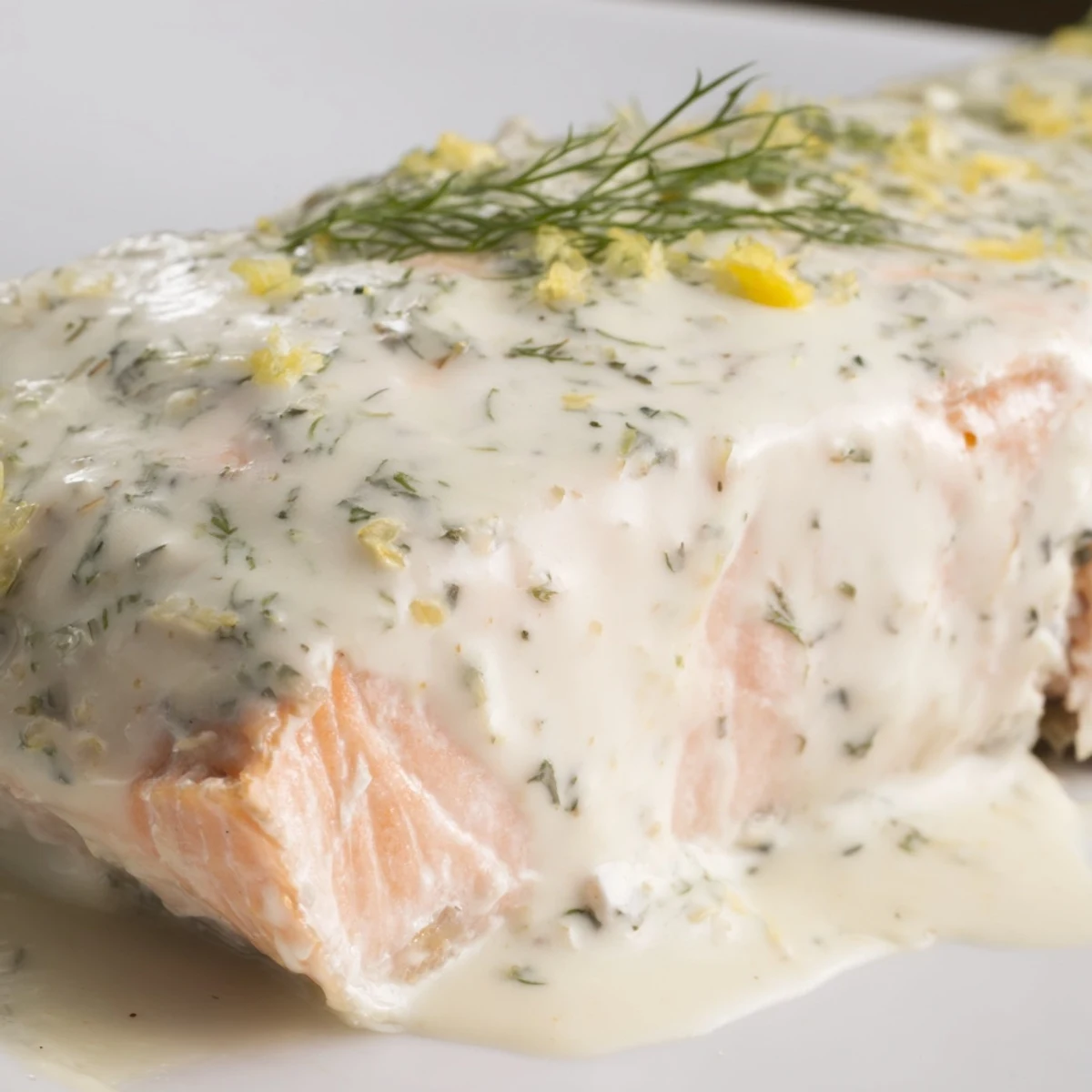
- Transfer each salmon fillet to a plate, spoon the warm sauce over the top, and scatter extra dill and lemon slices on top if you want it to look pretty. Serve right away while everything is warm.
 Pin It
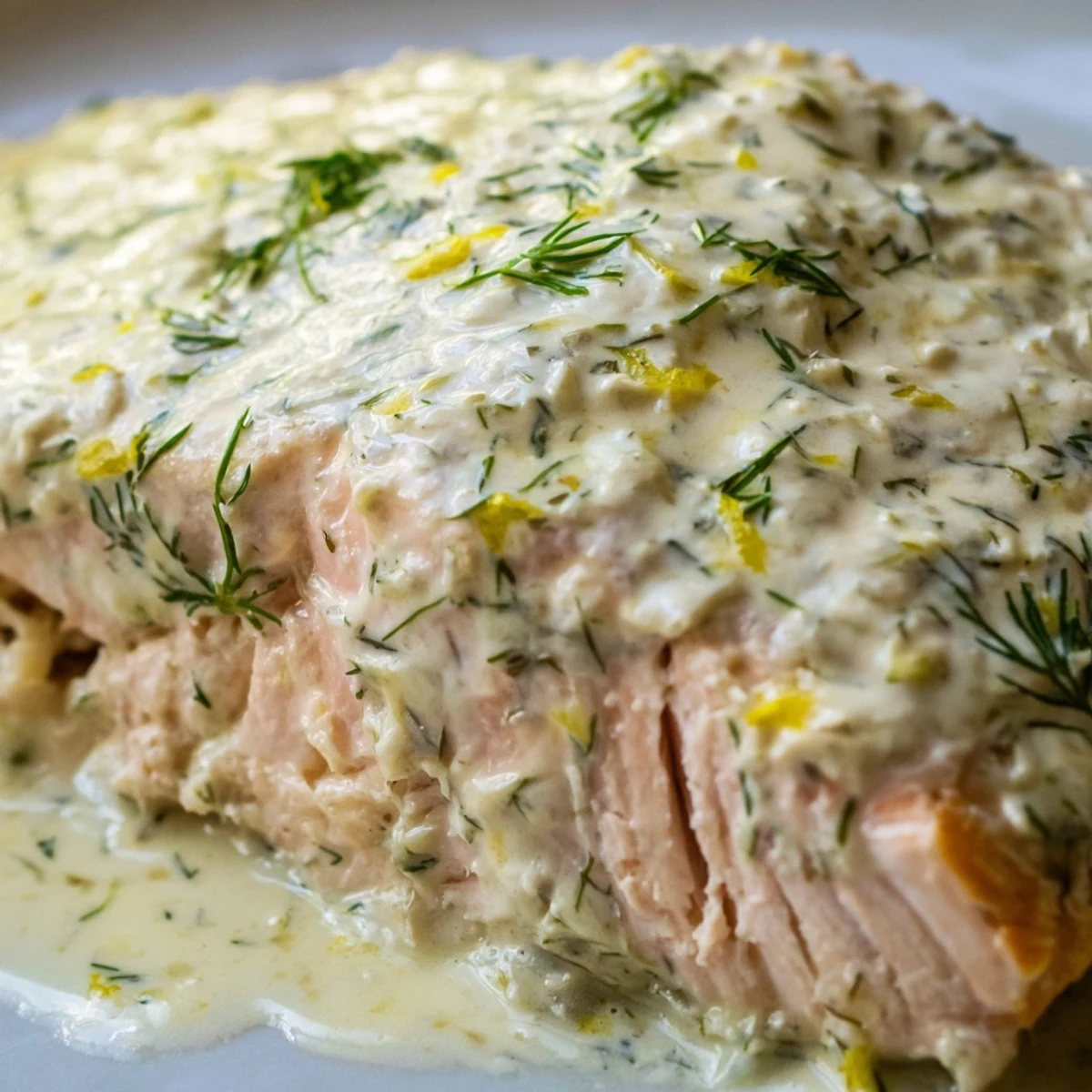
 There's a quiet moment that happens when you plate this dish and see the creamy sauce pooling around the pink salmon, the dill catching the light—it feels like you've done something graceful in the kitchen, even though it was genuinely easy. That's the magic of this recipe: it tastes like you tried, but it asks very little of you in return.
Why This Sauce Changes Everything
I used to think that good fish needed nothing but salt and lemon, and that's true, but this sauce showed me that cream and herbs don't mask the salmon—they lift it somehow. The acid from the lemon juice keeps the cream from feeling too heavy, while the dill brings in something herbaceous and alive that makes you taste every element on your plate.
Pairing Ideas That Work
Serve this with something light on the side because the sauce is rich enough to carry the meal. Steamed asparagus with a sprinkle of fleur de sel feels elegant and natural, roasted potatoes soak up extra sauce beautifully, or a sharp green salad cuts through the cream with refreshing crispness.
Making It Your Own
Once you've made this a couple of times, you'll start seeing variations that suit your taste. Add a touch of white wine to the sauce for deeper flavor, stir in capers if you like a briny edge, or even swap the dill for tarragon if you want something slightly more sophisticated.
- For a lighter version, replace half the cream with Greek yogurt or crème fraîche, but add it off the heat to prevent curdling.
- A crisp Sauvignon Blanc or Chardonnay pairs perfectly if you're serving wine.
- Leftover sauce keeps for a couple of days and is honestly good spooned over roasted vegetables or pasta, so don't feel obligated to use it all at once.
 Pin It
 This dish has become my go-to when I want to feel capable in the kitchen without spending all evening there. It's the kind of recipe that sits somewhere between weeknight comfort and something you'd proudly serve to people you want to impress.
Recipe FAQs
- → Can I use frozen salmon fillets?
-
Yes, ensure you thaw the fish completely in the refrigerator overnight and pat it very dry before seasoning and baking to achieve the best texture.
- → What can I use instead of heavy cream?
-
For a lighter version, you can substitute half of the heavy cream with Greek yogurt or full-fat crème fraîche, but add it after removing the pan from heat to prevent curdling.
- → How do I know when the salmon is done?
-
The salmon is ready when it turns opaque throughout and flakes easily with a fork, or when it reaches an internal temperature of 63°C (145°F).
- → Can I use dried dill instead of fresh?
-
Fresh dill provides the best flavor, but you may use dried dill if necessary. Use about one-third of the amount since dried herbs are more potent than fresh.
- → Is this dish gluten-free?
-
Yes, the ingredients are naturally gluten-free. However, always check the labels on your Dijon mustard and cream to ensure no gluten-containing additives are present.