
 Pin It
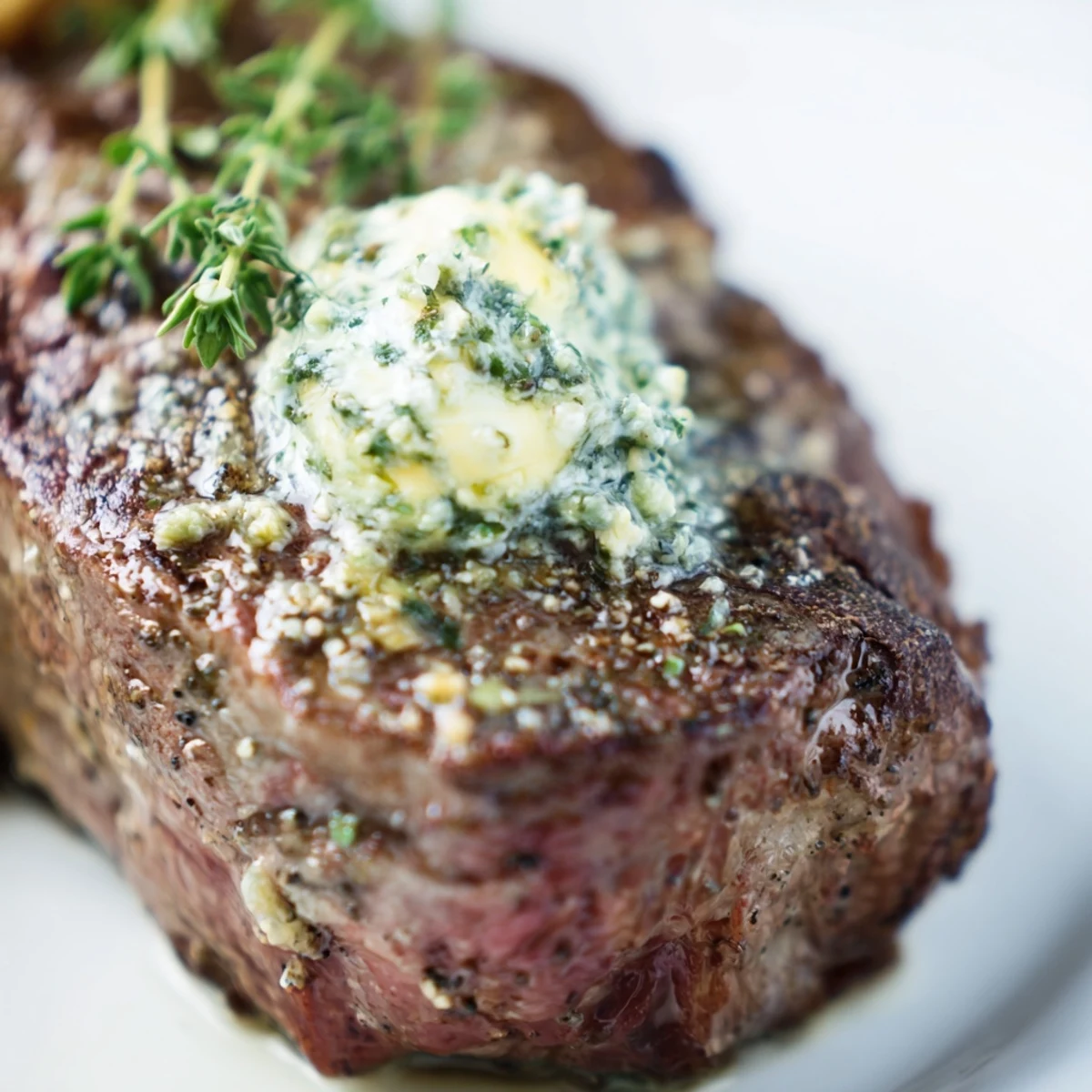
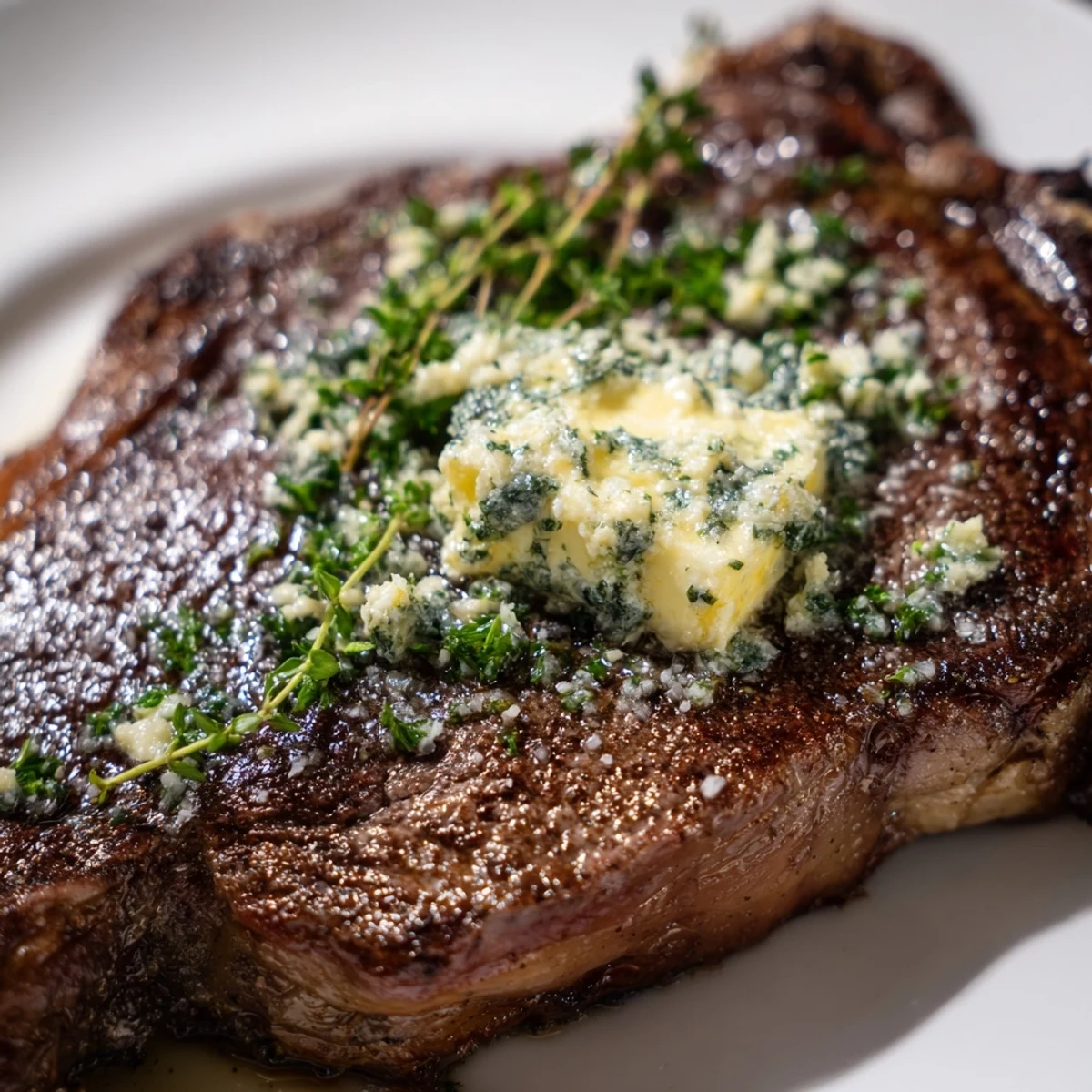
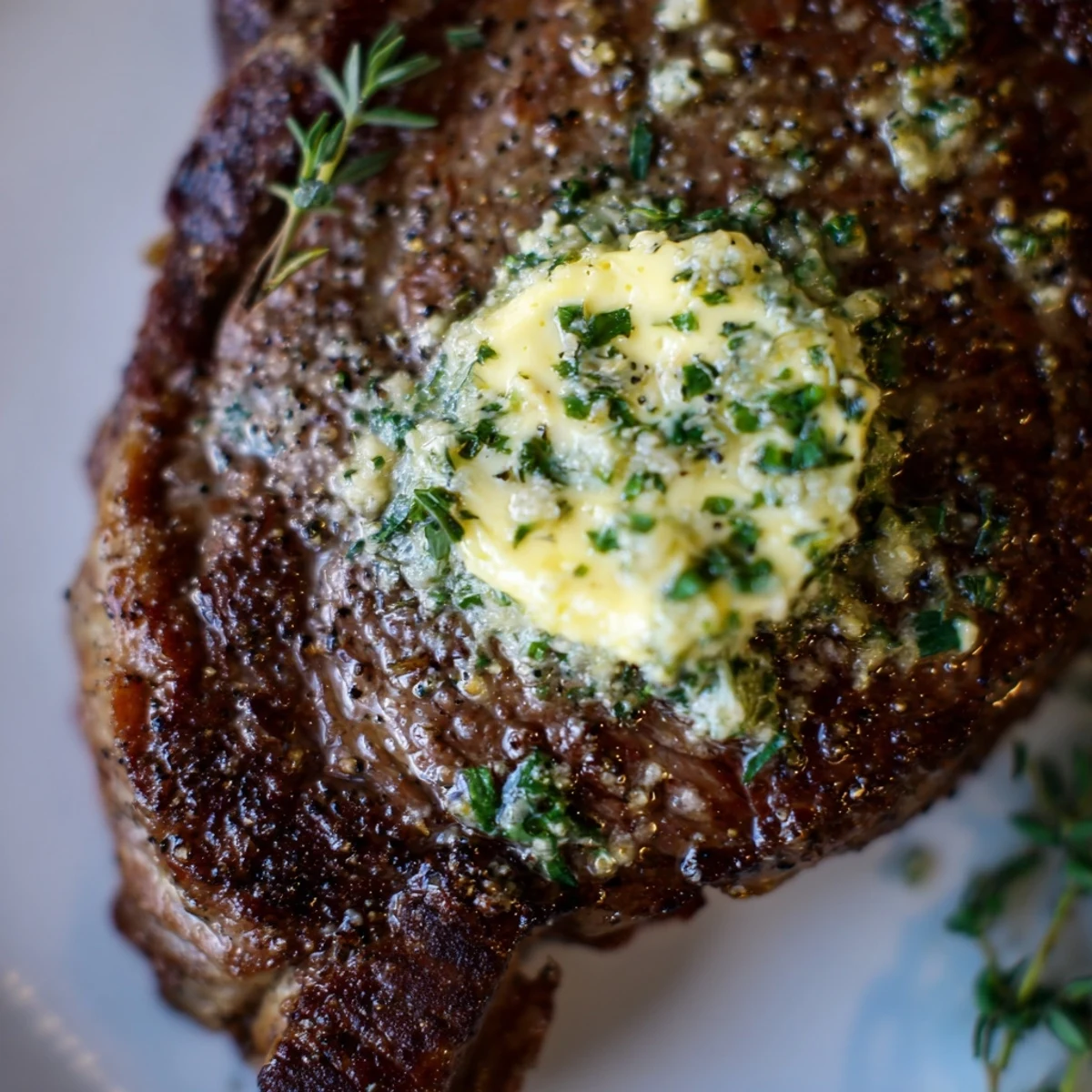
 This beef steak showcases a simple yet flavorful approach by searing ribeye cut to juicy perfection. Seasoned with salt and pepper, the steak is cooked in olive oil until the ideal doneness. A homemade garlic herb butter, blended with parsley and thyme, is added at the end to enhance richness. Resting ensures the steak remains tender and juicy. Served alongside classic sides, this dish offers a comforting, savory experience.
There's something about a perfect steak that stops conversation mid-sentence. I learned this years ago when my partner decided to cook dinner for my birthday, armed with nothing but a cast iron pan and pure determination. The smell that filled the kitchen—butter meeting hot meat, garlic turning golden—was the first hint that this meal would be different. Twenty-two minutes later, I understood why people become obsessed with getting this simple thing exactly right.
I made this for my sister's first dinner in her new apartment, and she said it was the moment she realized she'd actually become an adult with a functioning kitchen. We sat on boxes eating steak with our hands like kids, laughing at how the garlic butter dripped everywhere. That night taught me that the best meals aren't always the complicated ones—sometimes they're just perfectly seared beef and good company.
Ingredients
- Ribeye steaks (2, 8 oz each, 1 inch thick): The marbling in ribeye keeps the meat juicy even if your timing isn't perfect, which is why I started with this cut instead of leaner options.
- Kosher salt: The larger crystals dissolve more slowly than table salt, giving you better seasoning control and a crispier crust.
- Freshly ground black pepper: Pre-ground pepper loses its punch; fresh makes a real difference you'll taste immediately.
- Unsalted butter, softened: Unsalted lets you control the salt level, and softening it first means it melts into the pan without pooling.
- Garlic, minced: One clove is surprisingly enough—garlic butter is about balance, not overpowering everything.
- Fresh parsley, chopped: It brightens the butter without adding harshness, and the flecks look intentional on the plate.
- Fresh thyme leaves: Strip them from the stem with your fingers; they release more flavor this way than chopping.
- Olive oil: Use something you'd actually cook with, not your best finishing oil—high heat will smoke it fast.
Instructions
- Bring your steaks to room temperature:
- Pull them from the fridge 30 minutes ahead and pat them completely dry with paper towels. Cold, wet meat won't sear properly—this step is non-negotiable if you want that golden crust.
- Season boldly:
- Salt and pepper both sides generously, letting the seasoning sit for a minute so it sticks. This is not the time to be shy.
- Make your herb butter:
- Mix softened butter with minced garlic, parsley, and thyme in a small bowl. You can do this while your pan heats, and the flavors will meld while you cook.
- Get your pan smoking hot:
- Use cast iron if you have it—it holds heat like nothing else. Heat olive oil over high heat until the surface ripples and just starts to smoke; this is your signal to go.
- Sear without fussing:
- Place steaks in the pan and resist the urge to move them around. Leave them untouched for 3-4 minutes per side to develop that deep brown crust, flipping only once.
- Finish with butter:
- In the final minute, add your herb butter to the pan and use a spoon to baste the steaks, letting that melted, garlicky goodness coat the top. You'll see them glisten.
- Rest before serving:
- Remove steaks to a plate and let them sit for 5 minutes without touching them. This isn't waiting; it's letting the juices redistribute so every bite stays tender.
- Top and serve:
- Spoon any remaining herb butter over the rested steaks and get them to the table while they're still warm.
 Pin It
 I'll always remember the first time my kid asked for seconds on steak instead of pushing vegetables around the plate. There was something powerful about serving something so elemental, so perfectly itself, that it needed no disguise. That's when I realized this recipe wasn't really about cooking—it was about respecting good ingredients enough to let them shine.
Why Doneness Matters More Than You Think
The difference between rare and well-done steak is about 2 minutes per side, and those minutes change everything. Rare stays buttery inside but might feel too raw if you're not used to it. Medium-rare is the sweet spot most people chase—still pink in the center but warm all the way through. Medium gets firmer but loses some of that tender quality you're paying for. I learned this by watching people's faces as they took their first bites, and it taught me that timing here isn't about a recipe—it's about knowing what your guests actually want.
The Cast Iron Difference
Stainless steel works, but cast iron is worth using if you have it. Cast iron holds and radiates heat so evenly that your sear becomes almost automatic. After cooking, it gets better with every use instead of showing wear. I spent years thinking I needed fancy equipment until I realized that a well-seasoned cast iron pan is the closest thing to a cheat code for perfect steak.
What to Serve Alongside
A great steak doesn't need much, but it also isn't bossy about what joins it on the plate. Mashed potatoes are the classic for a reason—creamy and warm against the savory meat. Roasted vegetables like asparagus or Brussels sprouts add color and earthiness without competing. Even a simple green salad with lemon dressing works beautifully, cutting through the richness with brightness.
- Mashed potatoes, buttered and seasoned, are worth the extra five minutes to make from scratch.
- A crusty bread slice is perfect for soaking up the herb butter left on the plate.
- Skip heavy sauces—your herb butter is all the sauce this steak needs.
 Pin It
 This is the kind of dinner that sticks with people, not because it's complicated but because it's honest. Twenty-two minutes of focus and respect for the ingredient is all it takes to make someone feel cared for.
Recipe FAQs
- → How long should the steak rest after cooking?
-
Rest the steak for about 5 minutes to allow juices to redistribute, ensuring a tender and juicy bite.
- → What is the best way to season the beef before cooking?
-
Generously season both sides with kosher salt and freshly ground black pepper for balanced flavor.
- → How do I achieve medium-rare doneness?
-
Sear the steak 3-4 minutes per side on high heat, adjusting time slightly based on thickness and preference.
- → Can I use other herbs besides parsley and thyme?
-
Yes, rosemary or oregano can be added to the herb butter or pan for additional aromatic layers.
- → What cooking tools are essential for this preparation?
-
A cast iron skillet or heavy frying pan and tongs are recommended to sear steaks evenly.
- → How does the garlic herb butter enhance the steak?
-
The butter melts over the steak during the final minute, adding richness and herbaceous notes that complement the beef.