
 Pin It
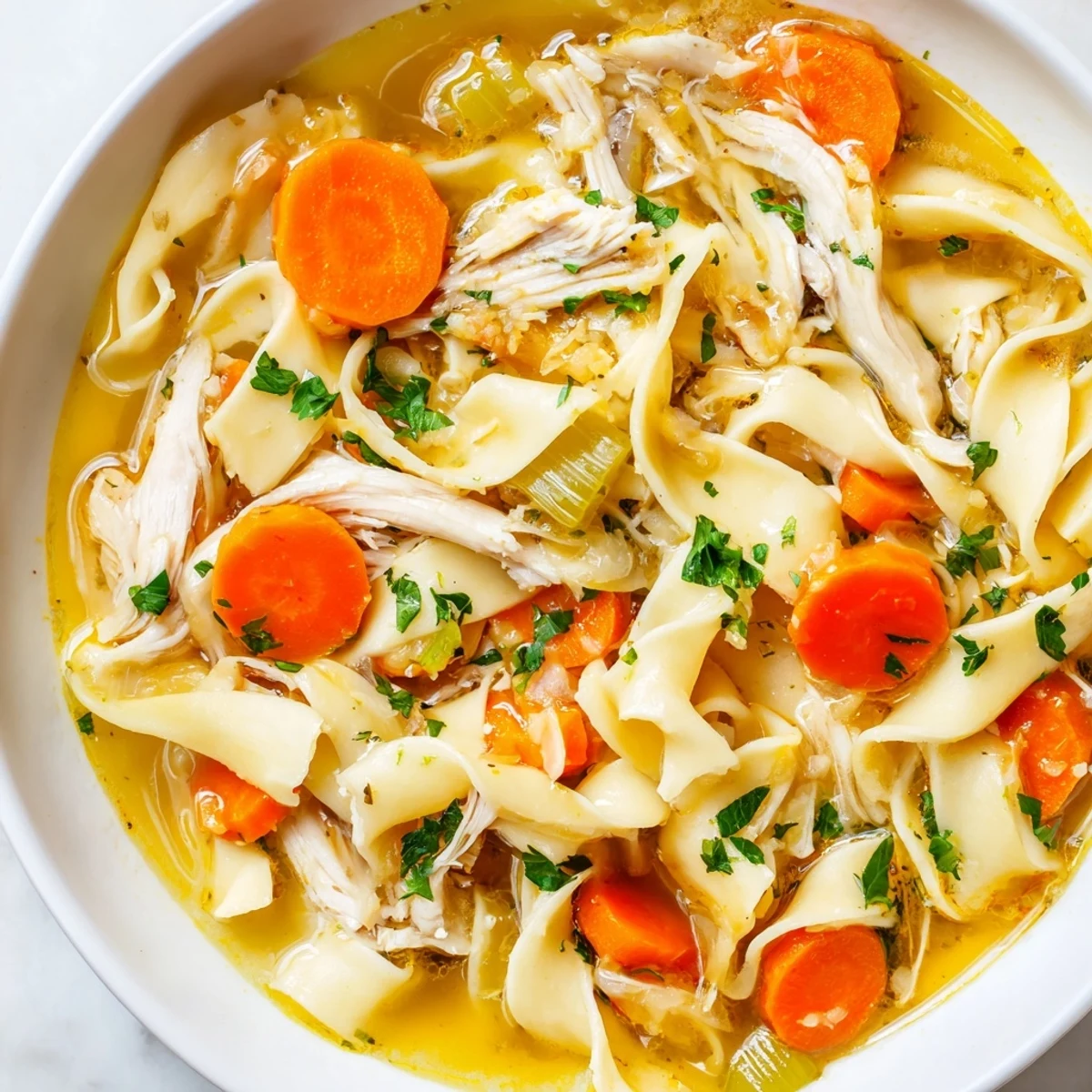
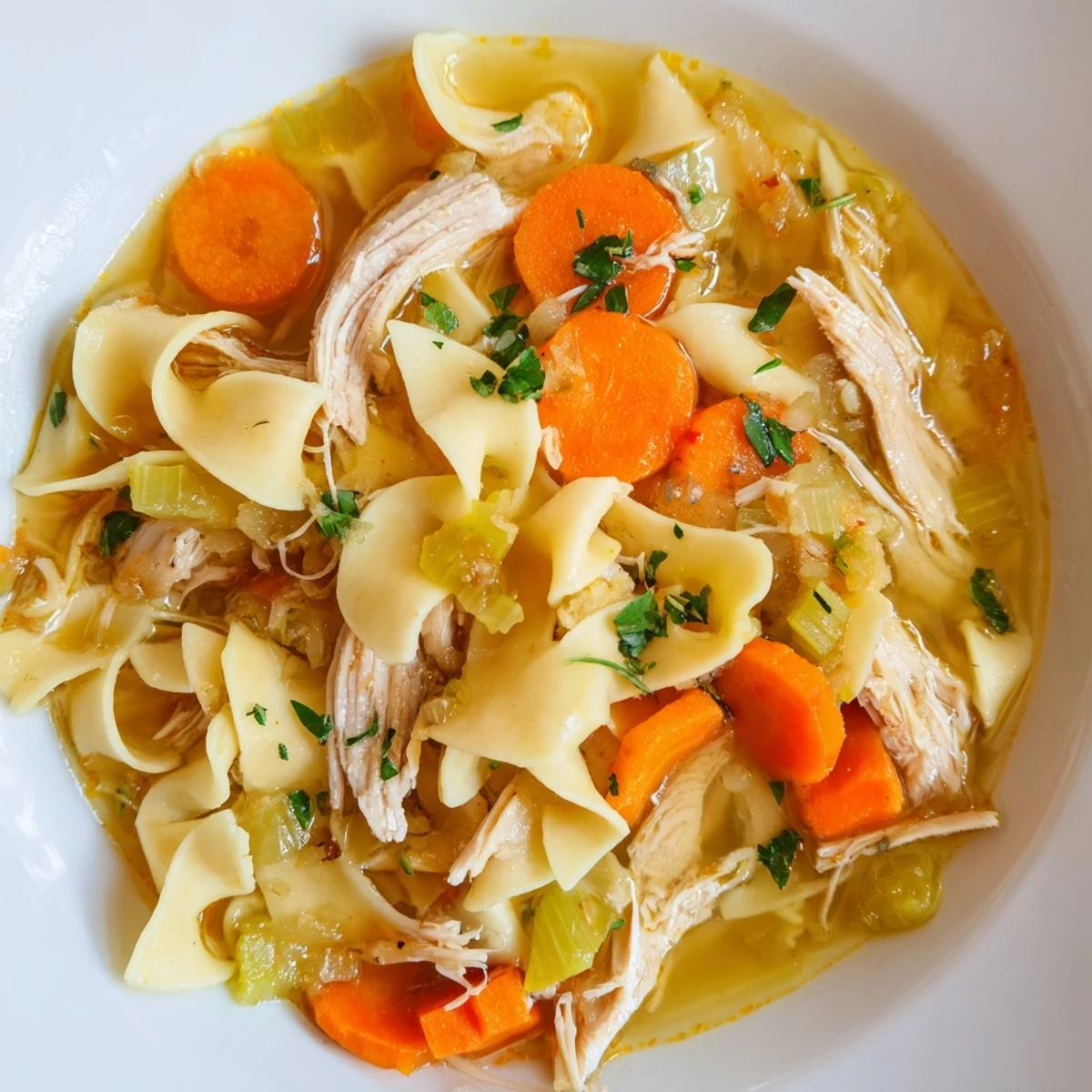
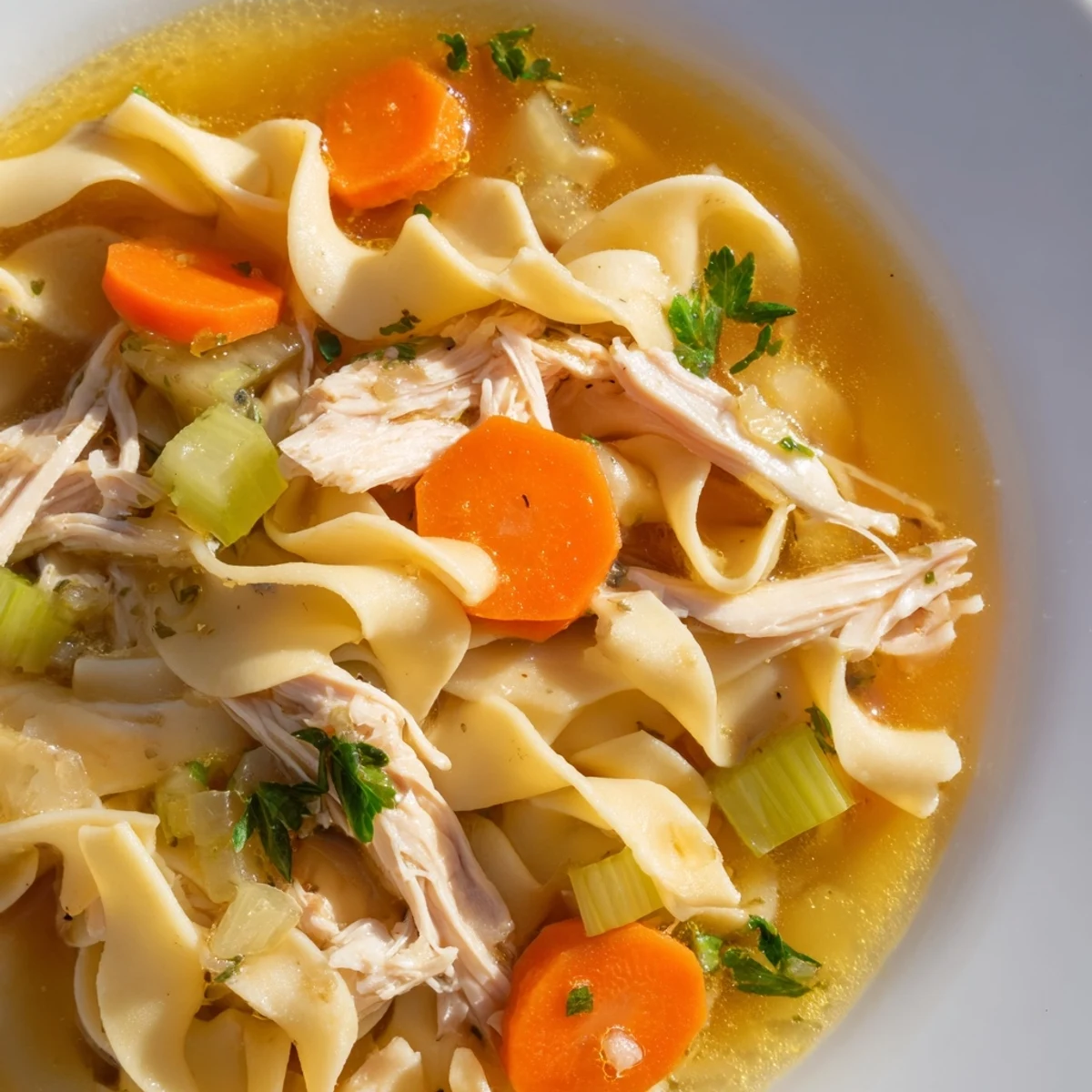
 This dish combines tender pieces of chicken with a medley of sautéed vegetables simmered in a flavorful broth. Handmade noodles lend a silky texture, enhancing the rich, savory depth. Fresh parsley finishes the comforting classic, making it a perfect main dish for cooler days. The preparation involves kneading homemade dough and simmering ingredients slowly to meld the flavors beautifully. This approach rewards with a nourishing and satisfying meal that’s both wholesome and delicious.
The first batch of noodles I rolled out stuck together in one giant clump the moment they hit the broth. I learned that day that a little flour goes a long way. Now, when the kitchen fills with the smell of simmering chicken and thyme, I know exactly how thin to roll the dough and how long to let it rest. This soup has become my reset button after long weeks.
I made this for my neighbor when she was recovering from surgery, and she told me later it was the first thing that tasted like comfort in weeks. I think its the bay leaves and the slow simmer that do it. Theres something about cooking chicken on the bone that fills a pot with more than just flavor.
Ingredients
- Olive oil: Use enough to coat the bottom of the pot so the vegetables can soften without sticking.
- Onion, carrots, celery: The holy trinity of soup, diced small so they cook evenly and add sweetness to the broth.
- Garlic cloves: Minced fine and added at the end so they release their flavor without burning.
- Chicken stock: The backbone of the soup, use good quality or homemade if you have it.
- Bay leaves: They add a quiet herbal note that you only notice when its missing.
- Dried thyme: A little goes a long way, it deepens the broth without overpowering.
- Salt and black pepper: Season as you go, tasting the broth before adding the noodles.
- Bone-in chicken: The bones give the broth body and the meat stays tender as it simmers.
- All-purpose flour: The base for the noodles, measure it carefully or the dough will be too sticky.
- Eggs: They bind the dough and give the noodles that golden color.
- Water and olive oil: These help bring the dough together and keep it pliable.
- Fresh parsley: Stirred in at the end for a bright, grassy finish.
Instructions
- Mix the noodle dough:
- Combine flour and salt in a bowl, then make a well in the center like a little crater. Crack the eggs into it, add water and oil, and stir until it comes together into a shaggy mass.
- Knead and rest:
- Turn the dough onto a floured counter and knead it for 5 to 7 minutes until it feels smooth and elastic. Wrap it tightly and let it rest for 20 minutes so the gluten relaxes.
- Roll and cut:
- Roll the dough as thin as you can, about 1/8 inch, then slice it into ribbons. Dust them with flour and spread them out so they dont clump while you finish the soup.
- Sauté the vegetables:
- Heat the oil in a large pot and add the onion, carrots, and celery, stirring occasionally until they soften and start to smell sweet. Add the garlic and cook just until fragrant.
- Simmer the broth:
- Pour in the stock, add bay leaves, thyme, salt, and pepper, then nestle the chicken pieces into the liquid. Bring it to a boil, lower the heat, cover, and let it simmer gently for 35 minutes.
- Shred the chicken:
- Pull the chicken out onto a plate and let it cool for a minute, then shred it into bite-sized pieces. Fish out the bay leaves and toss them.
- Cook the noodles:
- Bring the broth back to a gentle boil and drop in the noodles, stirring so they dont stick. Cook for 5 to 8 minutes until theyre tender but still have a little chew.
- Finish and serve:
- Return the shredded chicken to the pot and let everything heat through. Taste and adjust the salt, then stir in the parsley right before ladling into bowls.
 Pin It
 One winter evening, I made a double batch and froze half in individual containers. Months later, when I was too tired to cook, I thawed one and remembered why I started making this in the first place. It doesnt just feed you, it steadies you.
How to Store and Reheat
Let the soup cool completely before transferring it to airtight containers. It keeps in the fridge for up to four days, though the noodles will soak up more broth as they sit. When reheating, add a splash of stock or water to loosen it up, and warm it gently on the stove until its steaming. I dont recommend freezing it with the noodles already in because they turn mushy, but the broth and chicken freeze beautifully on their own.
Variations You Might Try
Ive added peas and corn toward the end for a pop of color and sweetness. Some people like to toss in a handful of spinach or kale in the last few minutes. If youre feeling bold, a parmesan rind simmered in the broth adds a nutty depth that makes it taste like youve been cooking all day.
What to Serve Alongside
This soup is hearty enough to stand on its own, but I usually set out a basket of crusty bread or buttermilk biscuits for soaking up the broth. A simple green salad with lemon vinaigrette balances the richness. If youre serving it for company, a crisp Sauvignon Blanc cuts through the fat and brightens every spoonful.
- Crusty sourdough or baguette, toasted and rubbed with garlic.
- A handful of oyster crackers scattered on top just before serving.
- Sliced avocado on the side for a creamy contrast.
 Pin It
 This soup has pulled me through sick days, snow days, and the kind of evenings when nothing else sounds right. I hope it does the same for you.
Recipe FAQs
- → How are the homemade noodles prepared?
-
Flour and salt are mixed, followed by adding eggs, water, and olive oil. The dough is kneaded until smooth, rested, rolled thin, and sliced into strips before cooking.
- → Can I use store-bought noodles instead?
-
Yes, store-bought noodles can replace homemade ones for convenience, though the texture may differ slightly.
- → What vegetables are included in the broth?
-
Onions, carrots, celery, and garlic are sautéed to build the broth’s rich, aromatic base.
- → How long should the chicken simmer?
-
The chicken simmers covered for about 35 minutes, ensuring it becomes tender and infuses the broth with flavor.
- → Can extra vegetables be added?
-
Yes, peas or corn can be added for additional color and nutrition without overwhelming the balance.