
 Pin It
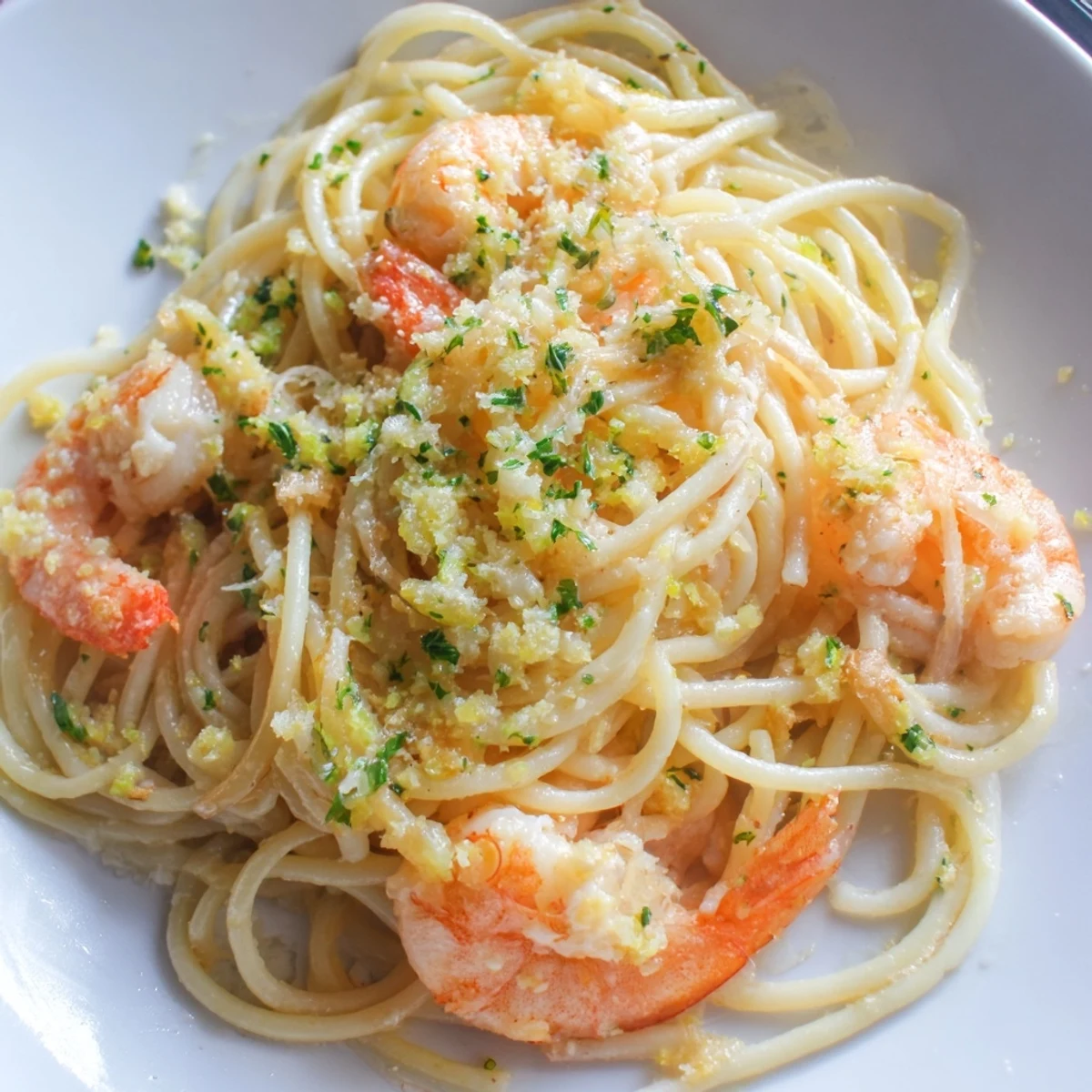
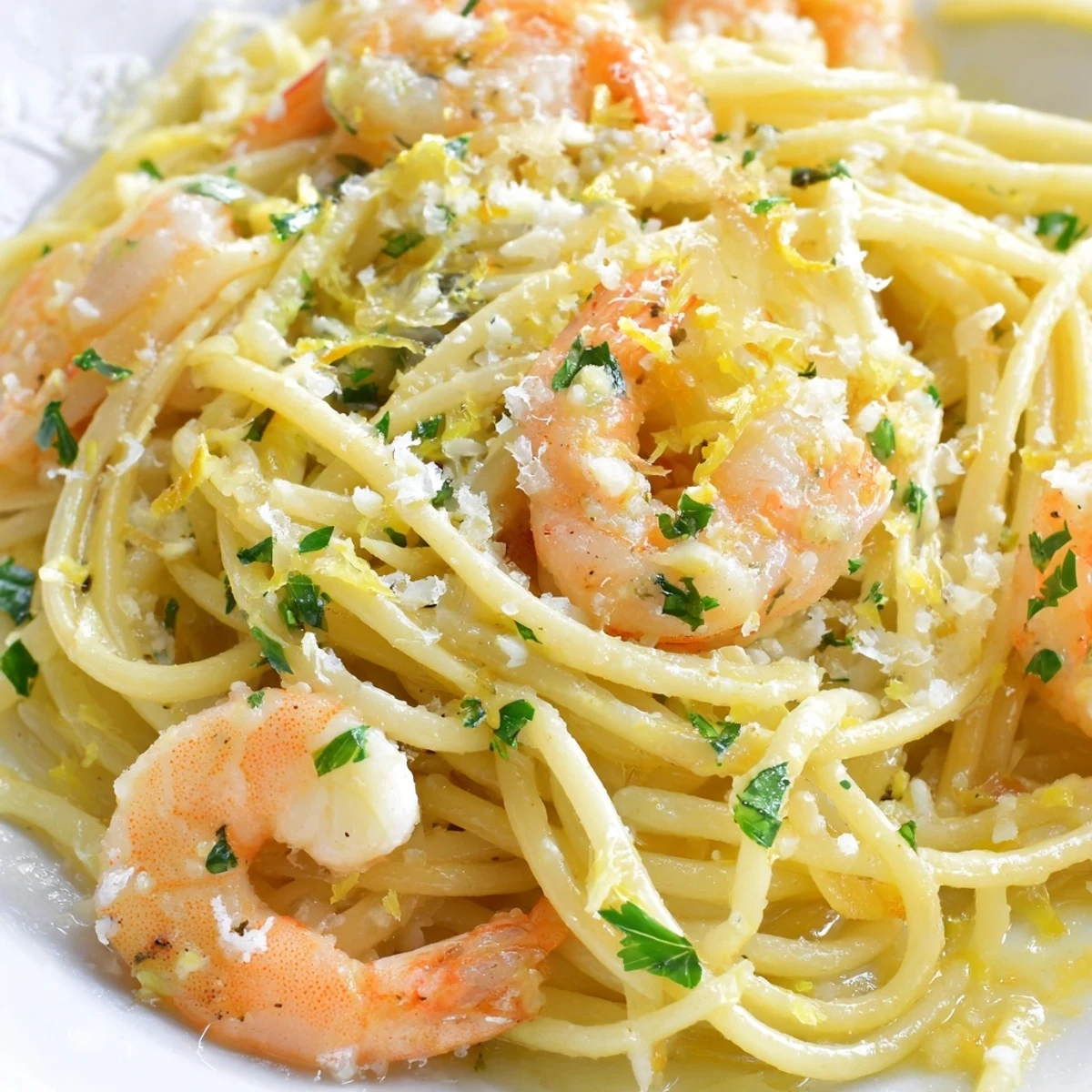
 This dish pairs tender shrimp with the brightness of fresh lemon and the aroma of garlic, all tossed in perfectly cooked al dente spaghetti. Olive oil and butter create a silky sauce, enhanced by Parmesan and fresh parsley for a flavorful and refreshing experience. Quick to prepare and easy to customize with optional chili flakes or leafy greens.
There's something about the smell of butter and garlic hitting hot oil that makes you feel like you've already won half the battle. One Tuesday evening, I threw together this lemon shrimp pasta on a whim—no planning, just what was in the fridge—and somehow it tasted like I'd spent all day on it. The shrimp turned pink in under a minute, the lemon cut through the richness like it was meant to be there, and my kitchen smelled like a dream. Now it's become the dish I reach for when I want something that feels restaurant-quality but doesn't require any stress.
I made this for my sister on a random Thursday, and she asked for the recipe before she'd even finished her first bite. There's a moment when you taste something and realize it hits all the marks—buttery, zesty, satisfying—without any fussiness, and that's exactly what happened that night. We sat at the kitchen counter with second helpings, and she kept saying how it tasted like summer, even though it was November outside.
Ingredients
- Spaghetti or linguine, 340 g (12 oz): Thin pasta works best here because it lets the sauce cling to every strand without feeling heavy.
- Large shrimp, 450 g (1 lb), peeled and deveined: The real star—buy them as fresh as you can find, and pat them completely dry before cooking so they sear instead of steam.
- Garlic, 3 cloves, minced: Don't skip the garlic, and don't use the pre-minced jar kind; the fresh stuff makes a world of difference in the final taste.
- Shallot, 1 small, finely chopped: It adds sweetness and depth that plain onion can't quite achieve.
- Lemon zest and juice: Zest of 1 lemon plus juice of 1 large lemon (about 3 tbsp)—this is what gives the dish its personality and brightness.
- Fresh parsley, 2 tbsp, chopped: Added at the very end for a fresh, grassy note that ties everything together.
- Unsalted butter, 3 tbsp: Use real butter, not margarine; it emulsifies with the lemon juice and creates a silky sauce.
- Extra-virgin olive oil, 2 tbsp: Don't go cheap here—this is raw oil, and quality matters for the final flavor.
- Grated Parmesan cheese, 40 g (1/4 cup), plus more for serving: Freshly grated if possible; pre-shredded cheese doesn't melt as smoothly.
- Crushed red pepper flakes, 1/2 tsp (optional): A whisper of heat that makes people ask what the secret ingredient is.
- Salt and freshly ground black pepper, to taste: Season as you go, not all at the end.
Instructions
- Get your water boiling:
- Fill a large pot with salted water (it should taste like the sea) and bring it to a rolling boil. This is your foundation—don't rush it.
- Cook the pasta:
- Add spaghetti and stir it around so nothing sticks. Cook until it's al dente, which usually means a minute or two before the package says it's done. Before draining, scoop out 120 ml (1/2 cup) of that starchy pasta water and set it aside—you'll need it.
- Prepare your shrimp:
- While the pasta cooks, pat your shrimp completely dry with paper towels and sprinkle them generously with salt and pepper. Moisture is the enemy of a good sear, so don't skip this step.
- Build your flavor base:
- Heat olive oil and 2 tbsp of butter in a large skillet over medium heat until it's sizzling but not smoking. Add the shallot, let it soften for about a minute, then add the garlic and cook for just 30 seconds until it smells incredible.
- Sear the shrimp:
- Lay the shrimp in a single layer in the skillet and resist the urge to move them around immediately. After 1 to 2 minutes, they'll turn pink and you can flip them. Cook the other side for another minute until they're just cooked through—overcooked shrimp becomes rubbery, so timing is everything.
- Create the sauce:
- Once the shrimp is cooked, push it to the side and pour the lemon juice into the center of the skillet along with the lemon zest and red pepper flakes if you're using them. Scrape up all those browned bits from the bottom—that's pure flavor.
- Bring it all together:
- Turn the heat down to low and add your drained pasta along with the remaining 1 tbsp of butter and half of your reserved pasta water. Toss everything together so the pasta gets coated in that lemon-butter mixture. If it looks dry, add a splash more pasta water.
- Finish strong:
- Return the shrimp to the skillet and scatter the Parmesan over everything. Toss gently until the cheese melts and everything looks silky. Taste it, adjust the salt and pepper if needed, then stir in the fresh parsley right before serving.
- Plate and serve:
- Transfer to bowls or plates while everything is still warm, and shower each plate with extra Parmesan and a few more parsley leaves. Serve immediately.
 Pin It
 The first time someone told me this dish reminded them of sitting on a patio in Amalfi, I understood exactly what they meant. There's something about the combination of butter, lemon, and shrimp that instantly transports you somewhere warmer and more carefree than wherever you actually are. Even in the middle of winter, in your ordinary kitchen, this meal feels like a small escape.
Why Lemon and Shrimp Are Meant for Each Other
The acidity in lemon cuts through the richness of butter and shrimp fat in a way that feels both elegant and completely natural. It's not about adding brightness to cover up anything—it's about enhancing what's already there. When you taste this dish, you're tasting four simple ingredients working in perfect harmony, and there's a reason this flavor combination has existed in Italian cuisine for generations.
Pasta Water Is a Secret Weapon
Most home cooks ignore pasta water or dump it down the drain without a second thought, but that starchy liquid is what separates a slick, oily plate of pasta from one where everything is actually emulsified together. When you add pasta water to butter and acid, you create an actual sauce that clings to each strand. This is the difference between a dish that tastes homemade and one that tastes intentional.
Simple Variations That Keep Things Interesting
The beauty of this recipe is that it's a foundation you can build on without losing what makes it special. A splash of dry white wine after the garlic adds complexity, or you can throw in a handful of baby spinach or arugula at the very end for something green and peppery. Even the pasta choice matters—linguine is elegant, fettuccine is richer—but spaghetti remains the most satisfying.
- Add a splash of dry white wine to the skillet after the garlic and let it reduce by half before adding the shrimp.
- Toss in a small handful of baby spinach or peppery arugula right at the end for color and a subtle bitter note.
- A pinch of smoked paprika instead of red pepper flakes gives it an entirely different personality.
 Pin It
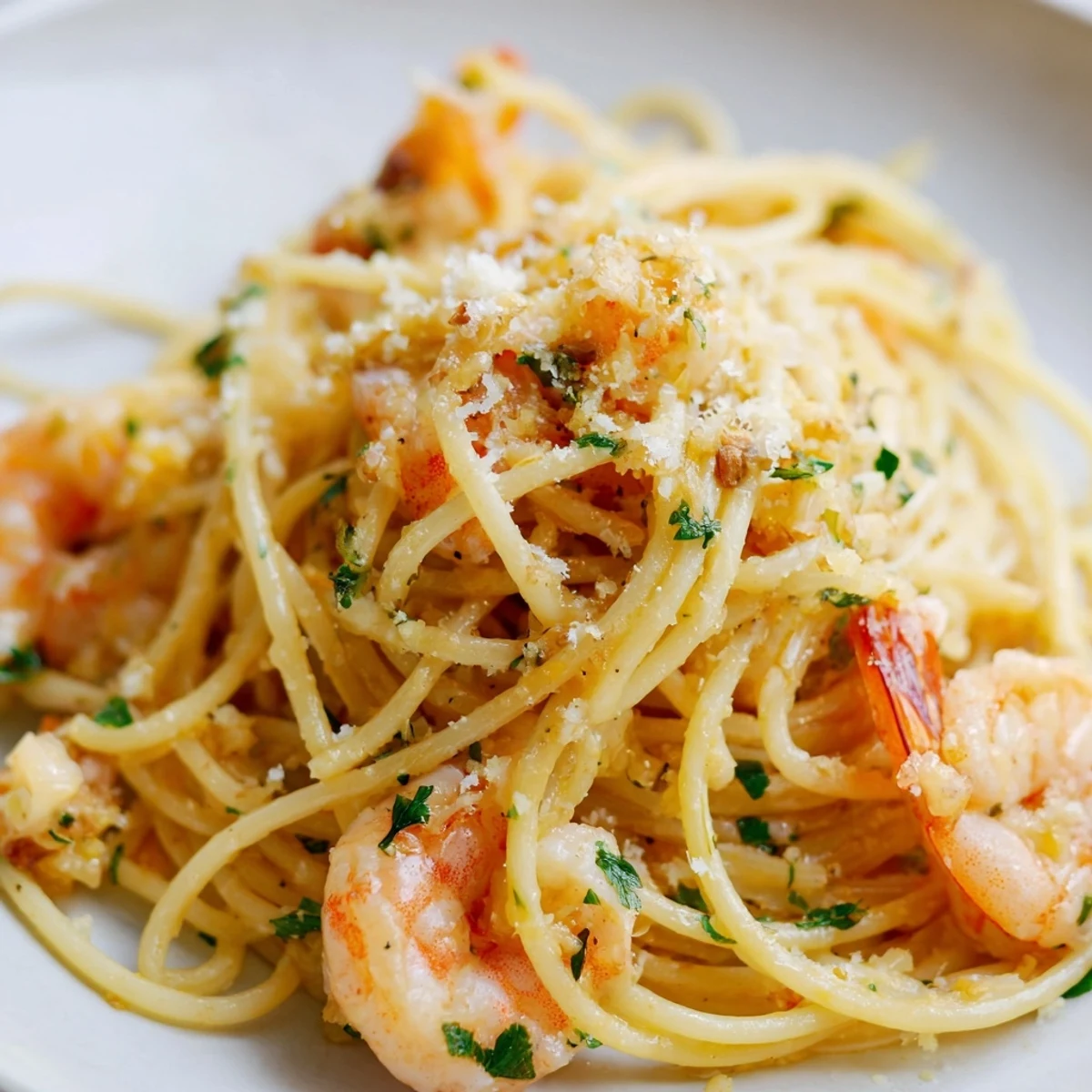
 This is the kind of recipe that reminds you that the best meals don't require hours of work or a long list of exotic ingredients—they just need good timing, good ingredients, and the confidence to keep things simple. Make it tonight.
Recipe FAQs
- → How do I prevent shrimp from overcooking?
-
Cook shrimp for 1–2 minutes per side until just pink and opaque to keep them tender and juicy.
- → Can I use different pasta types?
-
Yes, linguine or fettuccine work well and complement the sauce’s texture.
- → What adds brightness to the dish?
-
Fresh lemon zest and juice provide a zesty, refreshing flavor that balances the richness.
- → How to enhance the sauce’s flavor?
-
Deglaze the pan with a splash of dry white wine after cooking garlic and shallots for depth.
- → What herbs pair best here?
-
Fresh parsley adds a subtle, fresh note that completes the dish beautifully.