
 Pin It
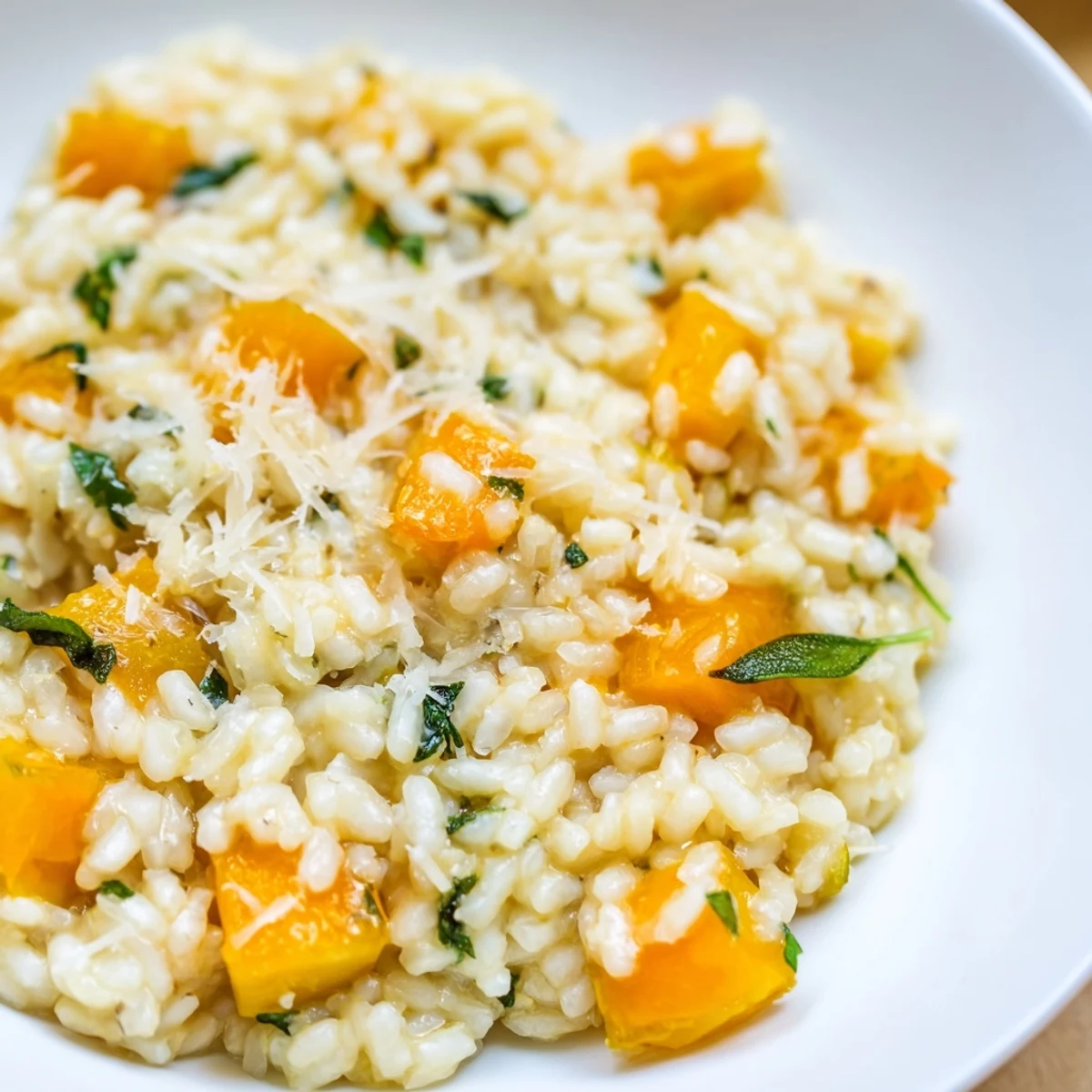
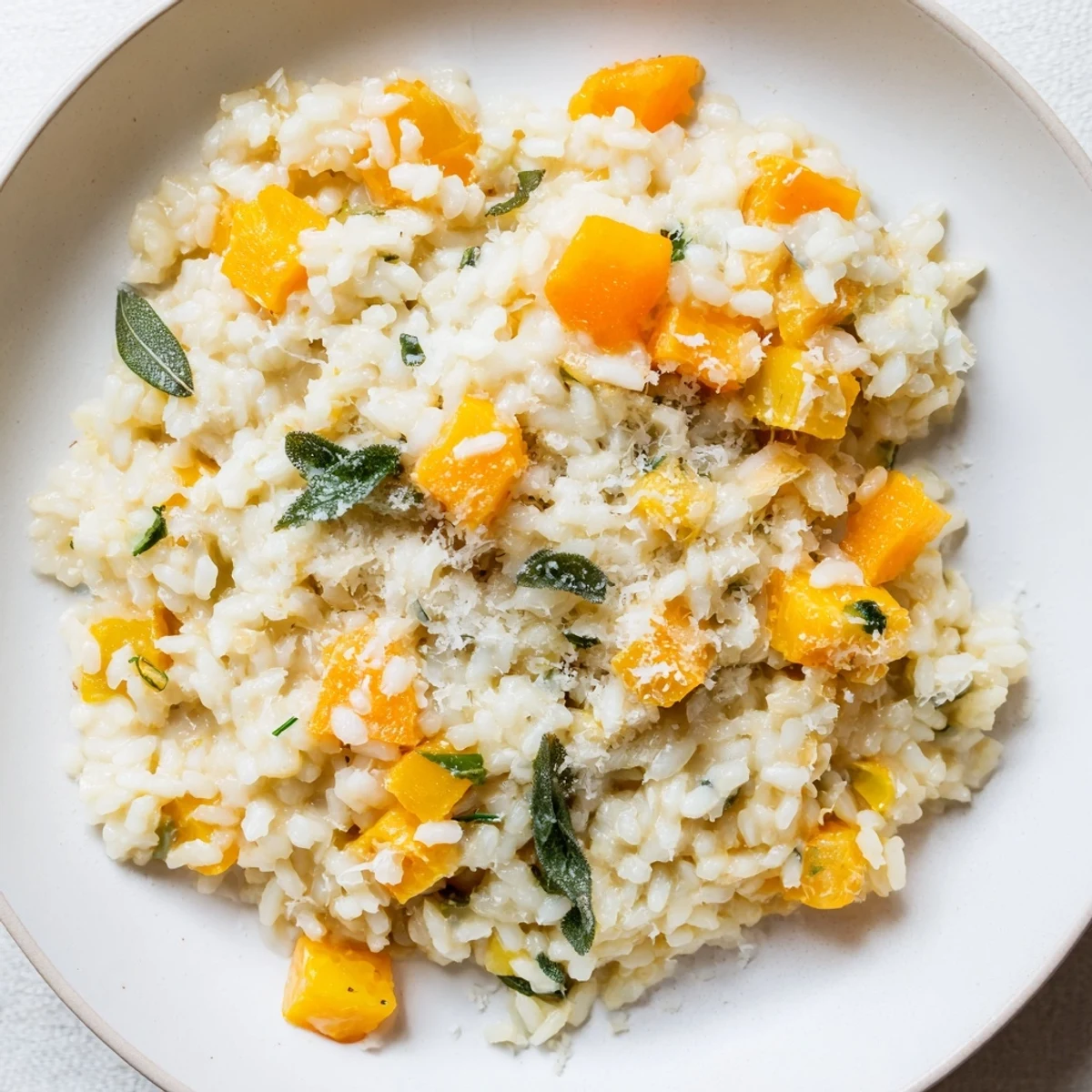
 This comforting risotto highlights the sweet earthiness of winter squash, perfectly balanced with fragrant fresh sage. It begins by sautéing aromatic onion and garlic with diced squash, then toasting Arborio rice. White wine is deglazed, followed by a gradual addition of warm vegetable broth, stirring patiently until the rice achieves a creamy, al dente texture and the squash is tender. A final stir of butter, Parmesan, and sage creates a rich, satisfying finish. Ideal for a cozy evening meal, it's a delightful vegetarian option.
There are some dishes that just feel like a warm hug, and for me, this Winter Squash Risotto with Sage is absolutely one of them. The kitchen filled with an unbelievably comforting aroma as the squash slowly softened and the sage released its earthy perfume on one crisp evening. It transformed my usually quiet evening into something truly special, a delicious invitation to cozy up. The gentle hum of the stovetop and the rhythmic stirring became a meditative experience.
I remember preparing this risotto for a small dinner party a few years back, hoping to impress a friend who was a notoriously discerning eater. Halfway through, I realized I’d forgotten to warm the broth, causing a slight panic, but I quickly remedied it. The collective sigh of contentment around the table as everyone took their first bite was all the validation I needed. It proved that even with a little hiccup, the end result was pure culinary magic.
Ingredients
- Winter Squash (butternut or kabocha): This is the star of the show, bringing natural sweetness and a beautiful earthy color to your risotto; choose one that feels heavy for its size.
- Yellow Onion: The aromatic foundation, it needs to be finely chopped to melt into the risotto without being chunky.
- Garlic: Adds a pungent warmth, but be careful not to burn it or it'll turn bitter.
- Arborio Rice: The essential risotto grain, its high starch content is what gives the dish its signature creamy texture.
- Vegetable Broth: Crucial for flavor and cooking the rice; keep it warm so it doesn't shock the rice and slow down cooking.
- Dry White Wine: Don't skip this; it deglazes the pan, adding a layer of acidity and complexity that brightens the whole dish.
- Unsalted Butter: Used at the start for sautéing and at the end for that luxurious, silky finish, ensuring you control the overall saltiness.
- Freshly Grated Parmesan Cheese: Provides a salty, umami kick and contributes significantly to the final creamy consistency; always grate it fresh for the best flavor.
- Fresh Sage Leaves: This herb is the perfect earthy, slightly peppery complement to the sweet squash; fresh is non-negotiable here for that vibrant aroma.
- Salt & Freshly Ground Black Pepper: Season generously and taste as you go; these elevate all the other flavors.
- Olive Oil: Used for sautéing your initial aromatics and squash, offering a gentle heat.
Instructions
- Build Your Flavor Base:
- In a large, heavy saucepan or Dutch oven, warm the olive oil and one tablespoon of butter over medium heat until the butter melts and shimmers. Add your finely chopped onion and cook gently until it softens and turns translucent, about three minutes, filling your kitchen with a sweet, savory scent.
- Introduce the Stars:
- Toss in the minced garlic and your beautiful diced squash. Sauté for about five to six minutes, stirring occasionally, until the squash just begins to soften around the edges, releasing its subtle sweetness into the pan.
- Awaken the Grains:
- Add the Arborio rice to the pan. Stir it constantly for one to two minutes, ensuring every grain is glistening and lightly toasted; you’re building a foundation for its creamy texture.
- A Splash of Brightness:
- Pour in the dry white wine and let it bubble. Stir continuously until the wine is almost completely absorbed by the rice, leaving behind a lovely acidity.
- The Risotto Dance:
- Ladle in one cup of warm vegetable broth. Stir patiently and frequently until it's mostly absorbed, then add another cup. Continue this rhythmic addition, one cup at a time, stirring often, until the rice is perfectly creamy and al dente, and the squash is beautifully tender, which usually takes about twenty to twenty-five minutes.
- Creamy Perfection:
- Once the risotto has reached its luscious consistency, stir in the remaining butter, freshly grated Parmesan cheese, your fragrant chopped sage, salt, and pepper. Give it a good taste and adjust the seasoning until it sings.
- A Moment to Savor:
- Remove the pan from the heat, cover it, and let it rest for just two minutes; this helps all those glorious flavors meld. Serve immediately, perhaps with a sprinkle of extra Parmesan and a fresh sage leaf.
 Pin It
 This risotto has truly become a cherished part of my winter repertoire. It’s not just a dish; it’s an experience, a signal that colder days mean warming, soul-satisfying food is on the menu. I always make extra, because the leftovers, while not quite as creamy, still evoke that same sense of warmth and comfort the next day.
The Risotto Rhythm
The constant stirring might seem like a chore, but it's genuinely the key to risotto's signature creaminess. This gentle agitation coaxes the starch from the Arborio rice grains, creating that beautiful, velvety sauce without needing any actual cream. It's less about speed and more about consistent, mindful stirring; think of it as a meditation rather than a workout.
Winter Squash Whispers
While butternut and kabocha are fantastic for this recipe, don't be afraid to experiment with other winter squash varieties like acorn or delicata. Each offers its own subtle flavor nuances and textures, making this dish adaptable to whatever treasures you find at the farmers' market. Just ensure they're peeled and diced consistently for even cooking.
A Touch of Elegance
A final sprinkle of freshly grated Parmesan and a few fresh sage leaves truly elevate this risotto from delicious to dazzling. For a lovely textural contrast, you could even crisp a few sage leaves in a little butter or olive oil beforehand to scatter over the top. If you're hosting vegan friends, remember that delicious vegan Parmesan alternatives and plant-based butters work beautifully here without sacrificing flavor.
- Consider adding a pinch of freshly grated nutmeg for an extra layer of warmth that pairs wonderfully with squash.
- Serve with a crisp, unoaked white wine like Pinot Grigio or Sauvignon Blanc to complement the rich flavors.
- Don't forget a simple green salad dressed with a light vinaigrette to cut through the richness of the risotto.
 Pin It
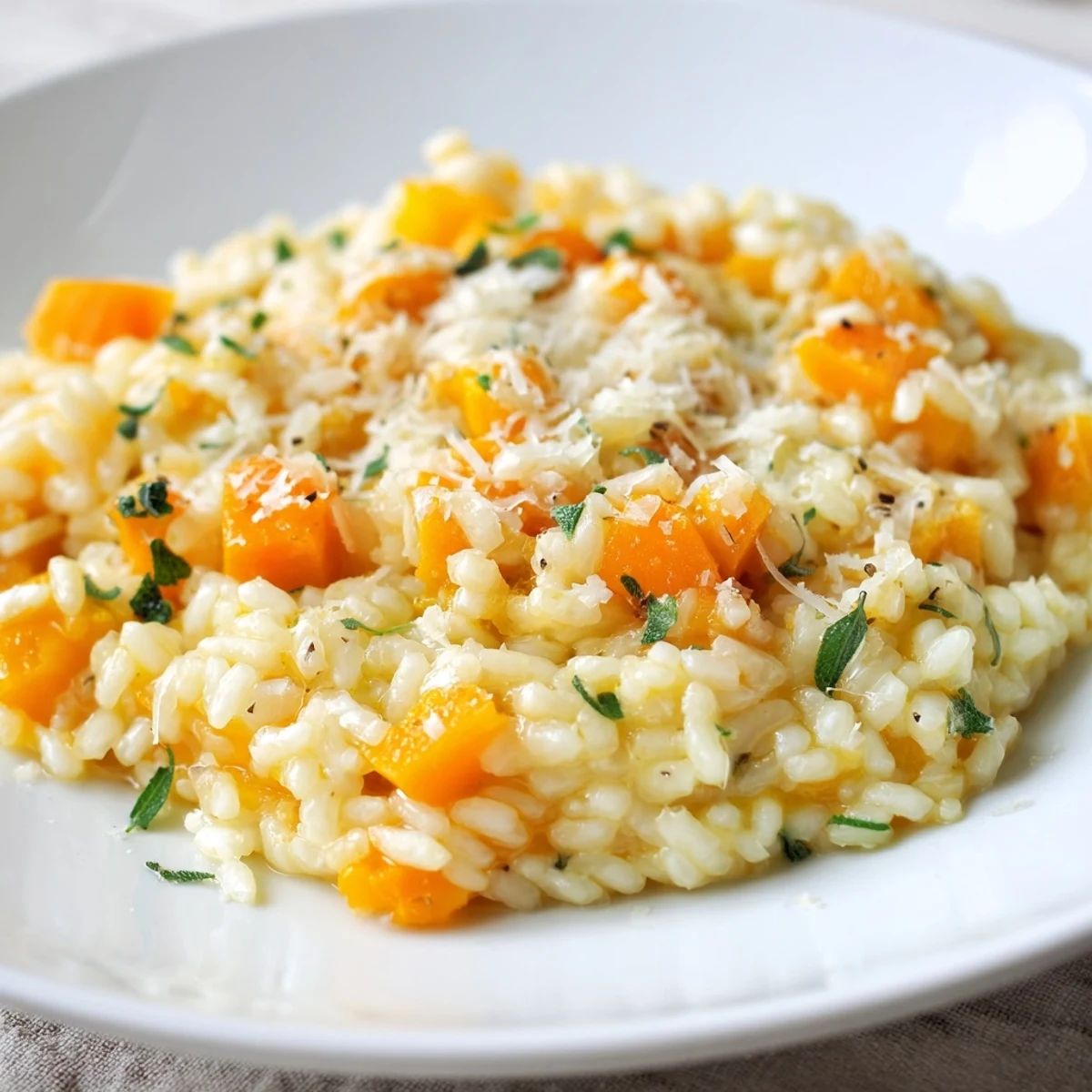
 This Winter Squash Risotto with Sage is more than just a meal; it’s an invitation to slow down, savor the process, and enjoy the comforting embrace of good food. I hope it brings as much warmth and joy to your table as it does to mine.
Recipe FAQs
- → What type of winter squash works best for this dish?
-
Butternut or kabocha squash are ideal choices due to their sweet flavor and creamy texture when cooked. Ensure it's peeled, seeded, and diced for even cooking.
- → Can this be made vegan?
-
Yes, absolutely! To make a vegan version, simply substitute the unsalted butter with a plant-based butter alternative and omit the Parmesan cheese, or use a high-quality vegan hard cheese substitute.
- → How do I ensure the risotto is gluten-free?
-
The main consideration for a gluten-free preparation is to use a certified gluten-free vegetable broth. Most other ingredients, such as Arborio rice, squash, and sage, are naturally gluten-free.
- → What wine pairs well with this risotto?
-
For drinking, a crisp white wine such as Pinot Grigio or Sauvignon Blanc complements the richness of the risotto and the sweetness of the squash beautifully. If using wine in the dish, dry white wine is recommended.
- → Can I roast the squash before adding it to the risotto?
-
Yes, you can! Roasting the squash cubes beforehand for about 15-20 minutes can add a deeper, caramelized flavor dimension to the dish. Just be sure to dice it first for quick cooking.
- → How do I know when the risotto is perfectly cooked?
-
The risotto is perfectly cooked when the Arborio rice is al dente – meaning it's tender but still has a slight bite in the center – and the overall consistency is creamy and flowing. The squash should also be tender and easily mashable.