
 Pin It
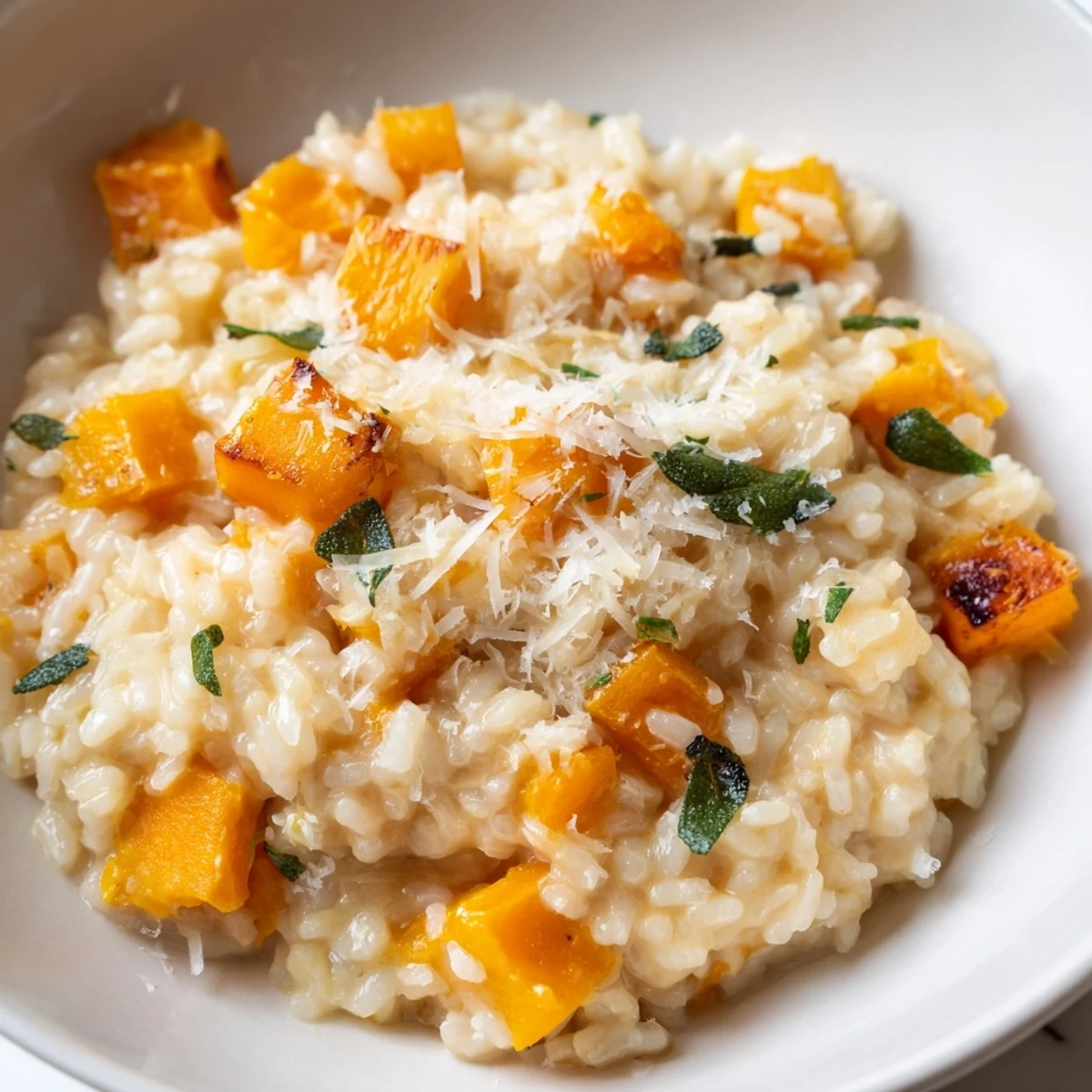
 This comforting dish combines creamy Arborio rice with naturally sweet roasted winter squash. The grains are slowly simmered in warm vegetable broth and white wine until tender. Fresh aromatic sage and savory Parmesan cheese are folded in at the end to create a rich, velvety texture perfect for serving on cold nights.
There's something about the first cold snap of the year that makes me crave risotto, and this version with roasted squash became my answer to those evenings when the kitchen needed to smell like butter and sage. I discovered this combination almost by accident, when I had leftover roasted squash and a box of Arborio rice staring at me from the pantry. What emerged from that lazy afternoon of stirring was something so silky and golden that I've made it countless times since.
I made this for my sister on her birthday dinner last November, and she kept asking if I'd added cream because it was impossibly rich and velvety. I hadn't, which is the beauty of proper risotto technique—the starch from the rice does all that heavy lifting for you, no cream needed.
Ingredients
- 1 small winter squash (butternut or acorn, about 1½ lbs), peeled, seeded, and diced: Roasting concentrates the sweetness and brings out a nutty depth that transforms the whole dish.
- 1 medium yellow onion, finely chopped: The foundation of flavor; don't rush this step or skip the translucent stage.
- 2 cloves garlic, minced: Just enough to whisper in the background, not overpower.
- 1½ cups Arborio rice: Its high starch content is what makes risotto creamy without cream—this is non-negotiable.
- 5 cups low-sodium vegetable broth, kept warm: Warm broth dissolves into the rice smoothly; cold broth shocks it and ruins the texture.
- ½ cup dry white wine: Adds brightness that cuts through the richness beautifully.
- 3 tablespoons unsalted butter, divided: Two tablespoons go in with the onion, two finish the dish; butter is where the flavor lives.
- ½ cup freshly grated Parmesan cheese, plus extra for garnish: Always grate it fresh; pre-grated varieties have cellulose that makes the sauce grainy.
- 2 tablespoons fresh sage leaves, finely chopped: Sage's earthiness is what makes this risotto feel intentional instead of generic.
- Salt and freshly ground black pepper, to taste: Season boldly and often as you go.
- 2 tablespoons olive oil: One tablespoon roasts the squash, one starts the risotto base.
Instructions
- Roast the squash until it caramelizes:
- Heat your oven to 400°F, toss the diced squash with a tablespoon of olive oil, salt, and pepper, and spread it on a baking sheet. Let it roast for 20–25 minutes until the edges turn golden and it's completely tender—you want those browned bits.
- Build the flavor base:
- In a large heavy saucepan, warm the remaining oil and a tablespoon of butter over medium heat. Add your chopped onion and cook, stirring occasionally, until it turns translucent and soft—this takes about 4 minutes and is worth watching. Add the minced garlic and cook for just a minute more until fragrant.
- Toast the rice:
- Stir the Arborio rice into the onion mixture and keep stirring for about 2 minutes—you want to hear it crackling slightly as the grains toast. The edges will turn translucent while the centers stay opaque, which tells you it's ready for liquid.
- Add the wine:
- Pour in the white wine and stir constantly until it's almost completely absorbed into the rice. You'll see the mixture go from wet to creamy-looking rather quickly.
- Patiently add the broth:
- Here's where risotto demands your attention: pour in about ½ cup of warm broth and stir frequently, letting each addition nearly disappear into the rice before adding more. This takes patience, but it's what creates the creamy texture—the constant stirring releases the rice's starch into the liquid.
- Fold in the squash and sage:
- After about 15 minutes of the broth additions, fold in your roasted squash and the fresh chopped sage. Keep stirring and adding broth in ½-cup intervals for another 20–25 minutes total. The rice should smell sweet and toasty, and each grain should be tender but still have the tiniest bit of resistance when you bite it.
- Finish with butter and cheese:
- Take the pan off the heat and stir in the remaining 2 tablespoons of butter and the grated Parmesan cheese until everything melts and turns creamy. Taste, then season generously with salt and pepper—it should taste a little salted because you're about to serve it hot.
- Serve immediately:
- Pour the risotto into shallow bowls while it's hot and steaming, shower with extra Parmesan and maybe a few fresh sage leaves, and get it to the table right away. Risotto waits for no one.
 Pin It
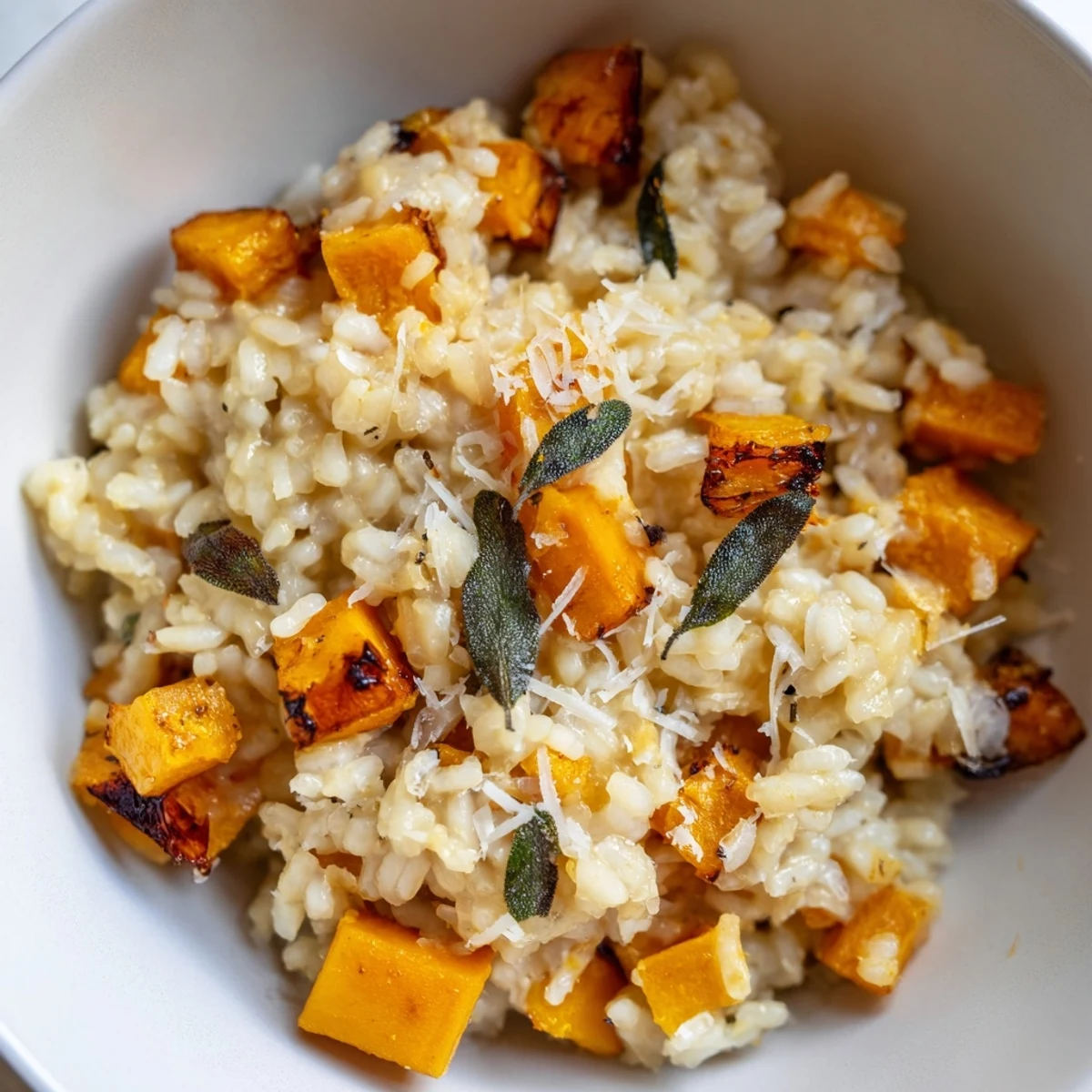
 What I love most about this dish is that moment when you finish it—when you stir in the final butter and Parmesan and the whole thing transforms into something silky and luxurious that didn't require a drop of cream. That's when you know you've done it right.
Why Roasted Squash Makes All the Difference
Roasting the squash before adding it to the risotto is the move that separates this from forgettable versions made with raw squash puree or canned pumpkin. When you roast it first, the moisture evaporates and the sugars caramelize, giving you deeper flavor and better texture. The squash stays in distinct little pieces rather than melting into mush, so you get these pockets of sweet, creamy richness throughout each spoonful. I learned this the hard way by once throwing raw squash chunks directly into the risotto and getting a muddy, waterlogged mess that needed to cook for twice as long.
The Secret Power of Sage
Fresh sage is the ingredient that elevates this from a decent squash risotto to something memorable. Its earthy, slightly peppery flavor plays beautifully against the sweetness of the squash and the richness of the Parmesan—it's like sage knows exactly what it's supposed to do in this dish. I use about half the sage stirred in during cooking and reserve the rest as a garnish on top, so you get layers of sage flavor. If you use dried sage instead, start with about a teaspoon since it's much more concentrated, but honestly, fresh makes such a difference here that it's worth planning ahead for.
Making It Your Own
This risotto is forgiving enough to work with variations, and I've made it several times with different squashes depending on what's in season or what the farmers market had that day. Kabocha is slightly sweeter and more delicate, while acorn squash is earthier and denser. You can also stir in a splash of heavy cream at the very end if you want to push the richness even further, though I find it's unnecessary. For a dinner party, I sometimes finish each bowl with a crisp sage leaf fried quickly in butter and a generous handful of Parmesan shavings made with a vegetable peeler.
- Substitute kabocha or acorn squash if butternut isn't available—adjust roasting time if using larger pieces.
- A dry Italian white wine like Pinot Grigio or Vermentino works perfectly if you want to pair a glass alongside dinner.
- Make the risotto just before you serve it; it doesn't reheat well and loses its silky texture within an hour or so.
 Pin It
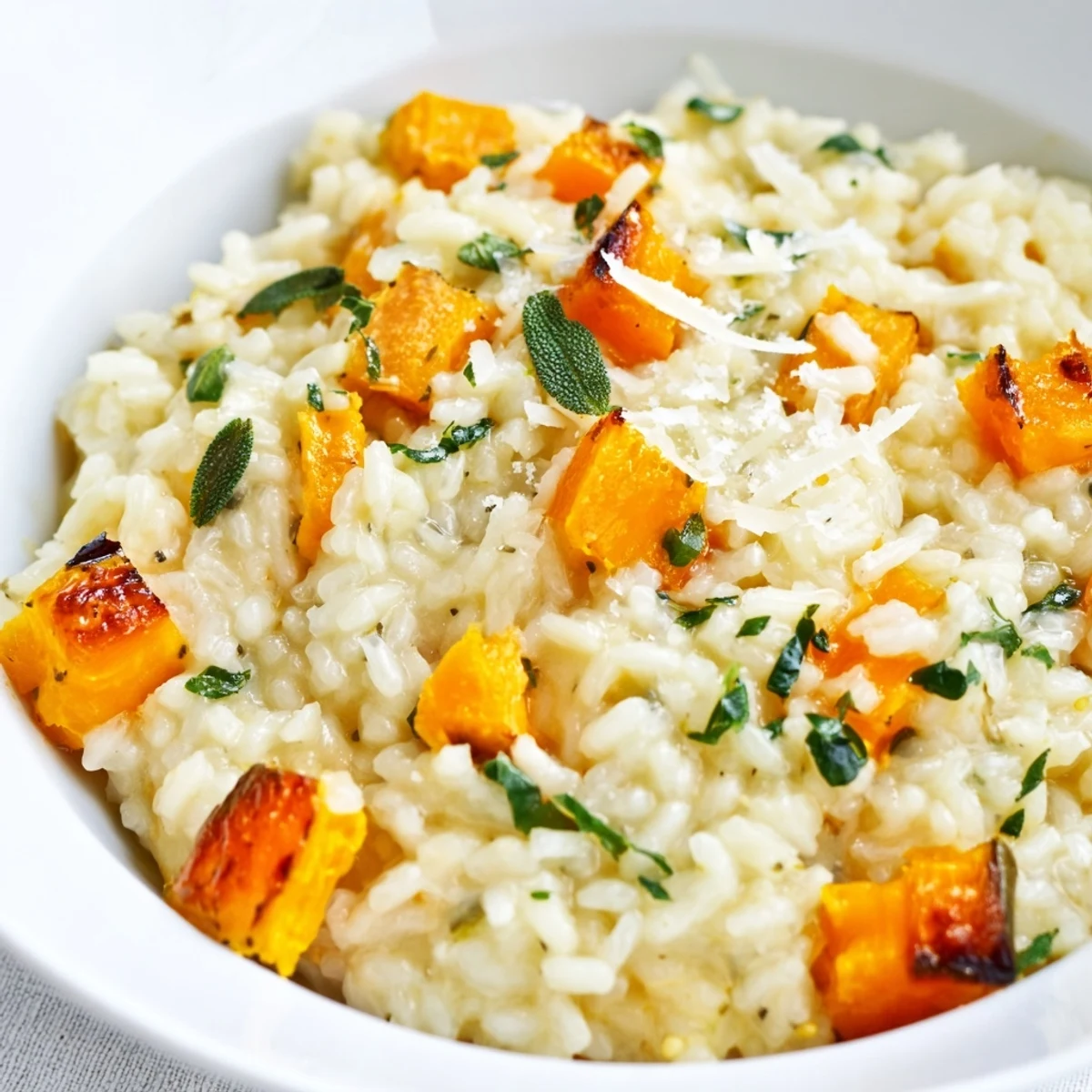
 This risotto is the kind of dish that tastes like you spent hours in the kitchen, even though you didn't—and that's exactly why I keep making it. Serve it simply with a green salad and a glass of cold wine, and watch how a table of hungry people gets quiet the moment they taste it.
Recipe FAQs
- → What type of rice is best for this dish?
-
Arborio rice is the ideal choice because its high starch content creates the signature creamy texture as it cooks.
- → Can I make this dairy-free?
-
Yes, simply substitute the butter with olive oil and use a vegan parmesan alternative or nutritional yeast.
- → Can I use pumpkin instead of squash?
-
Absolutely, pumpkin or kabocha squash are excellent substitutes that offer similar sweetness and texture.
- → Why is it important to keep the broth warm?
-
Adding cold broth lowers the temperature of the rice, which disrupts the cooking process and can result in gritty texture.
- → How do I know when the risotto is done?
-
The rice should be tender but still have a slight bite in the center, known as al dente, and the overall texture should be creamy.