
 Pin It
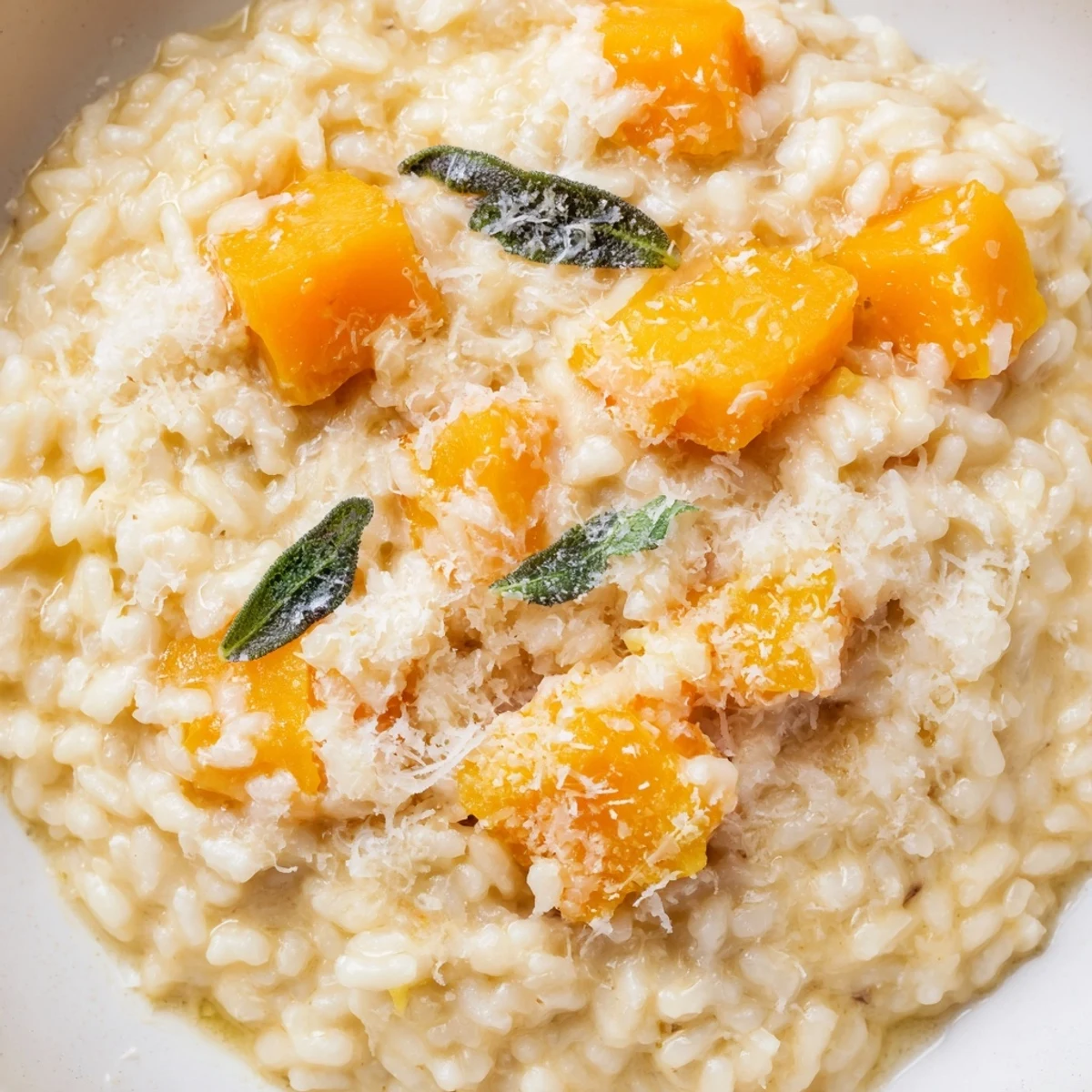
 This comforting dish combines tender winter squash with fragrant sage and nutty Parmesan, slowly cooked with Arborio rice and white wine. The creamy texture is achieved by gradually stirring warm broth into the mixture until the rice is perfectly al dente and enveloped in a rich sauce. Finished with butter and optional cream, this meal offers warmth and depth, ideal for cozy gatherings. Perfect for a vegetarian main course, it highlights seasonal ingredients and Italian-inspired techniques.
There's something about the first truly cold evening of the year that makes me crave risotto—specifically, the kind where burnt orange squash dissolves into the rice, creating this creamy, golden canvas for sage and cheese. I discovered this combination quite by accident, actually, when I had leftover roasted squash and an almost-empty pantry one November night. What started as improvisation became the dish I now make whenever I want to feel like I'm sitting in a Tuscan kitchen, warm and unhurried.
I made this for my partner on a night when the heating was broken and we were both exhausted from work, and somehow the act of stirring the pot together—adding broth, waiting, stirring again—turned into this quiet meditation that we both needed. The kitchen got warm from the stovetop, and by the time we sat down to eat, we'd forgotten about being cold or tired.
Ingredients
- Winter squash (2 cups, peeled and diced): Butternut is the classic choice, but acorn works beautifully too—pick whichever feels heaviest for its size, which means it's denser and sweeter.
- Arborio rice (1 1/2 cups): Its starchy exterior is what creates risotto's signature creaminess; don't swap it for long-grain rice or you'll lose that magic.
- Vegetable broth (4 cups, kept warm): Cold broth will shock the rice and mess with the cooking time, so keep it simmering quietly beside you.
- Dry white wine (1/2 cup): It adds acidity and depth; use something you'd actually drink, not cooking wine with added salt.
- Butter (3 tablespoons, divided): The final tablespoon stirred in at the end is what transforms risotto from good to luxuriously creamy.
- Parmesan cheese (1/2 cup, freshly grated): Pre-grated Parmesan has anti-caking agents that prevent it from melting smoothly; always grate your own.
- Fresh sage (2 tablespoons, chopped): Its peppery warmth is essential to this dish—dried sage will work in a pinch but use only 2 teaspoons.
- Heavy cream (2 tablespoons, optional): A small splash adds elegance, but the risotto is creamy enough without it if you prefer.
- Salt and freshly ground black pepper: Taste as you go; the broth adds salt, so season cautiously.
Instructions
- Get your station ready:
- Warm the broth in a separate saucepan over low heat and keep a ladle nearby—you'll be adding it in steady increments, and room-temperature broth will cool the rice. Have your diced squash, chopped sage, and grated Parmesan within arm's reach.
- Build your flavor base:
- Melt 2 tablespoons of butter in a large, heavy-bottomed skillet over medium heat. When it's foaming, add the chopped onion and let it soften for about 3 minutes until it's translucent and sweet, then add the garlic and stir for just 1 minute so it doesn't brown.
- Introduce the squash:
- Add the diced winter squash to the pan and cook, stirring occasionally, for about 5 minutes until its edges start to soften and brown slightly. You want it to begin breaking down, but not fall apart entirely.
- Toast the rice:
- Pour in the Arborio rice along with the sage and stir constantly for about 2 minutes, coating every grain in the buttery mixture. You'll notice the rice grains become slightly opaque and translucent at the edges—this is exactly what you want.
- Deglaze with wine:
- Add the white wine in one pour, stirring constantly, and watch as the liquid absorbs into the rice. The pan will smell wonderful and slightly vinegary for just a moment before that fades.
- Begin the stirring ritual:
- Add the warm broth one ladle-full at a time, stirring frequently. Wait until each addition is mostly absorbed (the rice should be slightly glossy but not swimming) before adding the next ladle. This takes about 20–25 minutes total and is when risotto becomes meditative rather than difficult.
- Finish with silky richness:
- When the rice is creamy and tender with just a slight bite (al dente), and the squash has nearly melted into it, remove the pan from heat. Stir in the remaining tablespoon of butter, the Parmesan, and cream if using, tasting and adjusting salt and pepper as you go.
- Serve at once:
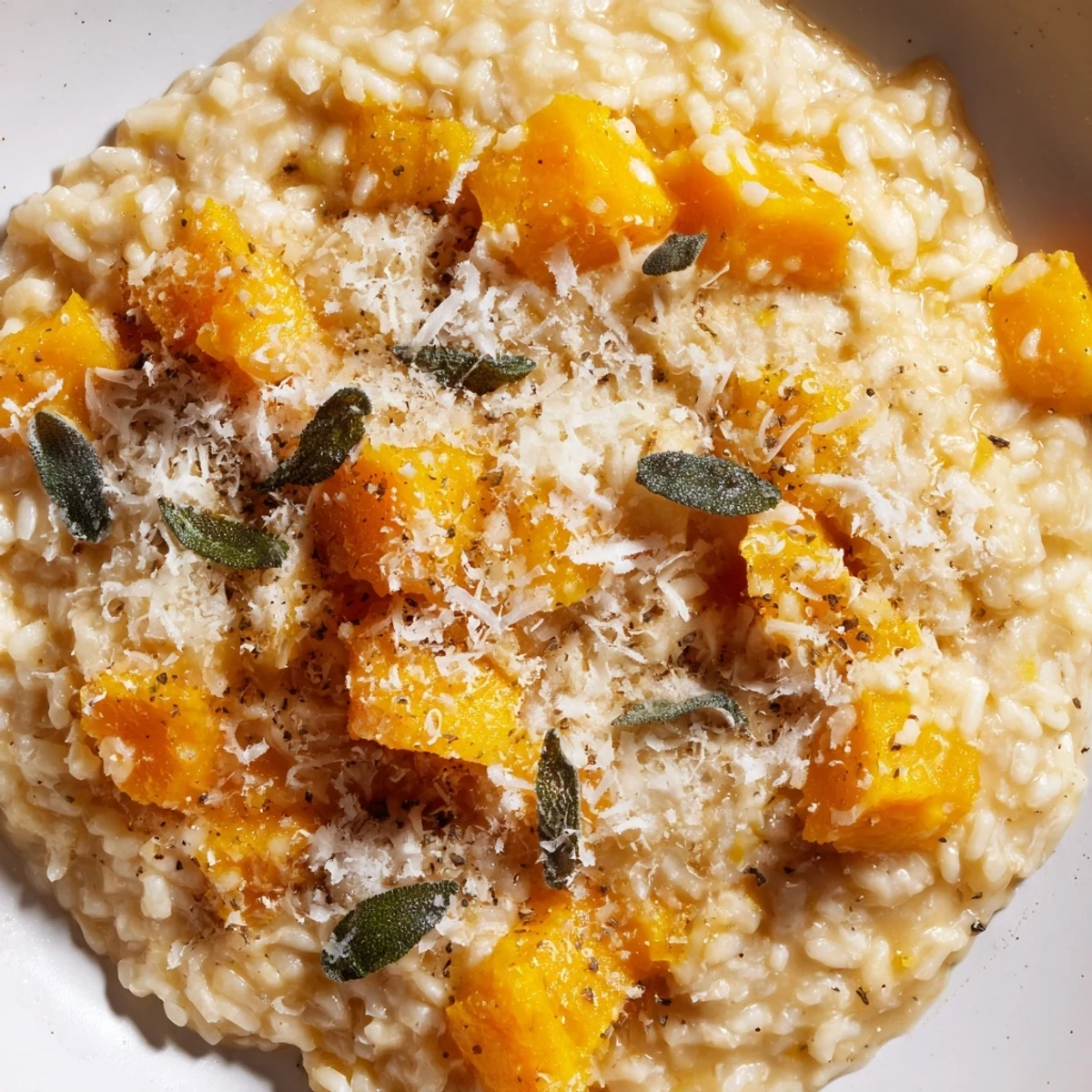
- Risotto waits for no one—spoon it into bowls immediately and finish with a scatter of fresh sage and extra Parmesan.
 Pin It
 My neighbor once asked why I make risotto so often when it takes so much attention, and I realized I don't make it despite the stirring—I make it because of it. There's something about standing at the stove for thirty minutes, focused on one task, that makes the rest of the world fall away.
Choosing Your Squash
Butternut squash is traditional because it's sweet, dense, and breaks down beautifully into risotto's creamy structure. Acorn squash works too, though it's slightly drier and requires a bit more patience to soften. Kabocha and delicata are excellent alternatives if you find them—they add a subtle nuttiness that elevates the whole dish.
Wine Pairing and Finishing Touches
The white wine you use matters more than you might think; it's the acidity that balances the squash's sweetness and the Parmesan's saltiness. A crisp Pinot Grigio or Sauvignon Blanc is ideal, both to cook with and to sip alongside dinner. The final scatter of fresh sage and extra Parmesan is the last word on the plate—don't consider it optional.
Variations and Adaptations
Once you understand how risotto works, you can adapt it endlessly without losing its soul. Try adding crispy sage leaves fried in butter for garnish, swirl in a bit of truffle oil at the very end, or stir through roasted pumpkin seeds for texture. For a vegan version, use vegan butter and skip the cream and Parmesan, or use high-quality vegan cheese instead.
- Brown sage leaves in butter and use as a garnish for extra visual flair and deeper herbaceous notes.
- A squeeze of fresh lemon juice at the end brightens the earthiness of the squash if it feels too heavy.
- Make it your own—risotto is a template, not a rigid formula.
 Pin It
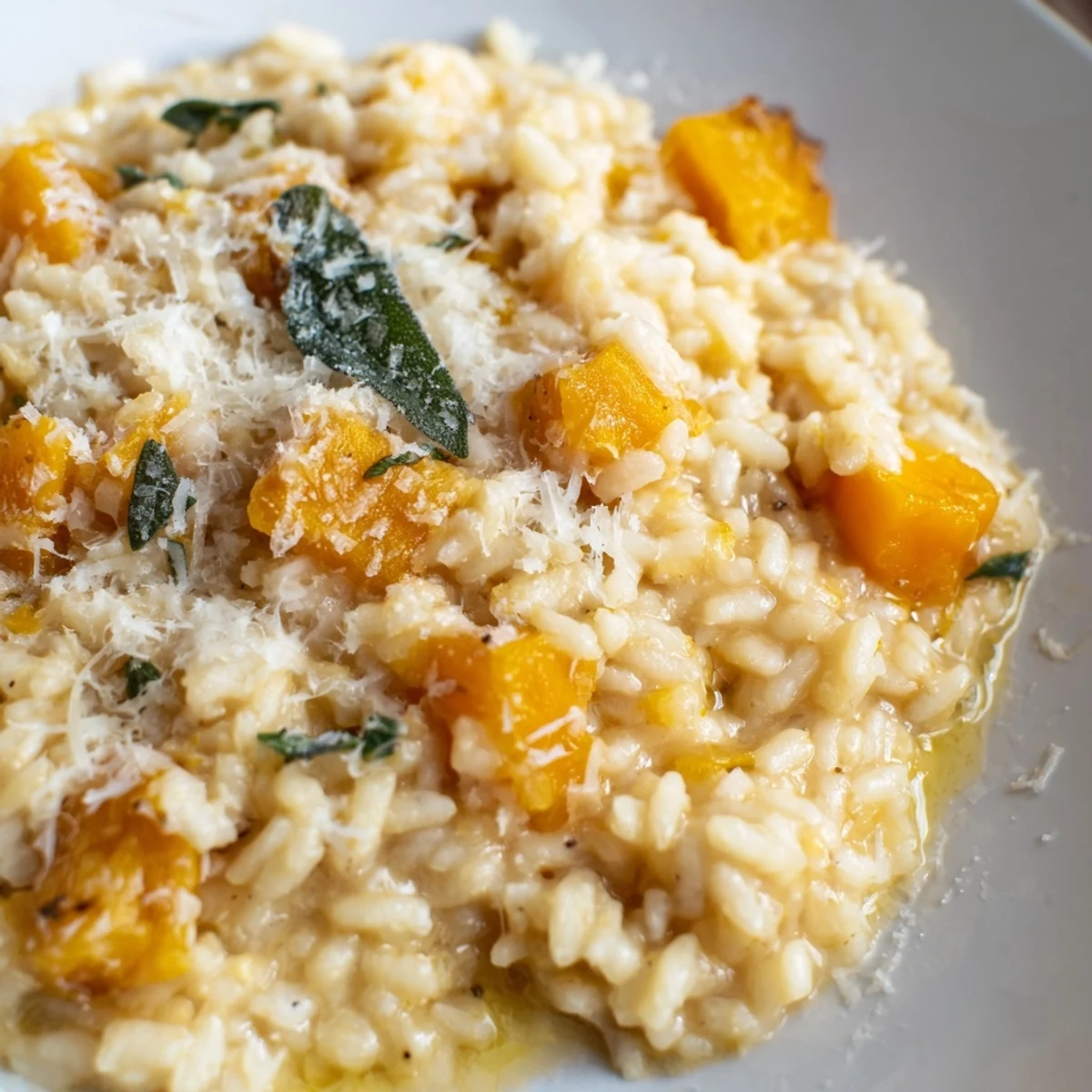
 This risotto is comfort without heaviness, sophistication without fussiness. Once you've made it, it becomes the dish you reach for on nights when you need something warm, slow, and utterly satisfying.
Recipe FAQs
- → What type of squash works best?
-
Winter squash like butternut or acorn works well due to their sweetness and firm texture, which holds up during cooking.
- → Can I substitute the cheese?
-
Parmesan adds nuttiness and depth; for alternatives, try Pecorino Romano or a hard aged cheese with similar flavor.
- → How do I achieve a creamy texture?
-
Slowly adding warm broth to the rice while stirring releases starches, creating the dish's signature creaminess without cream.
- → Is fresh sage necessary?
-
Fresh sage provides a bright herbal note, but dried sage can be used if fresh is unavailable, adjusting quantity accordingly.
- → What wine pairs well with this dish?
-
A crisp dry white wine like Pinot Grigio or Sauvignon Blanc complements the flavors and can also be used during cooking.
- → Can this be made vegan?
-
Use plant-based butter and vegan cheese, and omit cream for a vegan-friendly adaptation.