
 Pin It
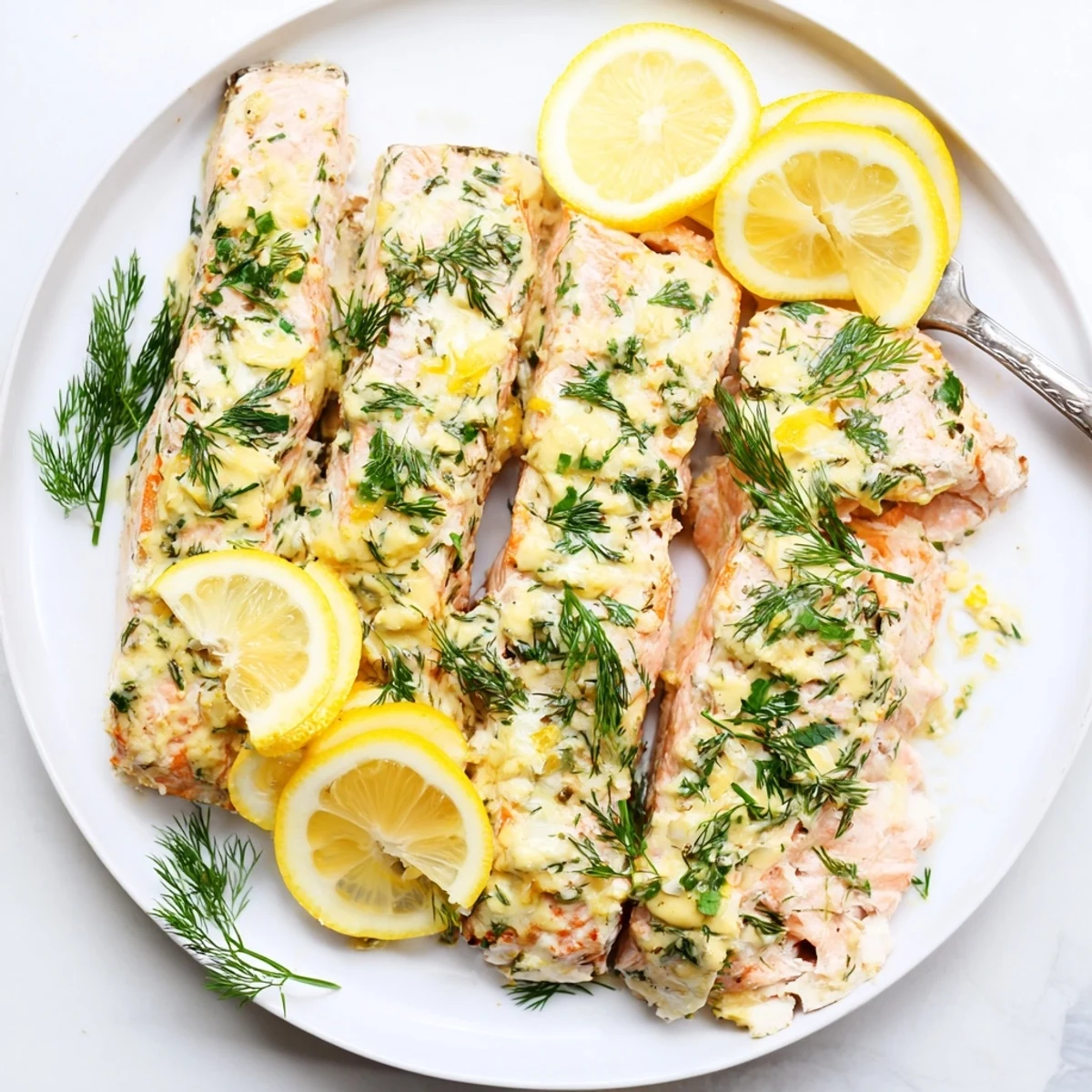
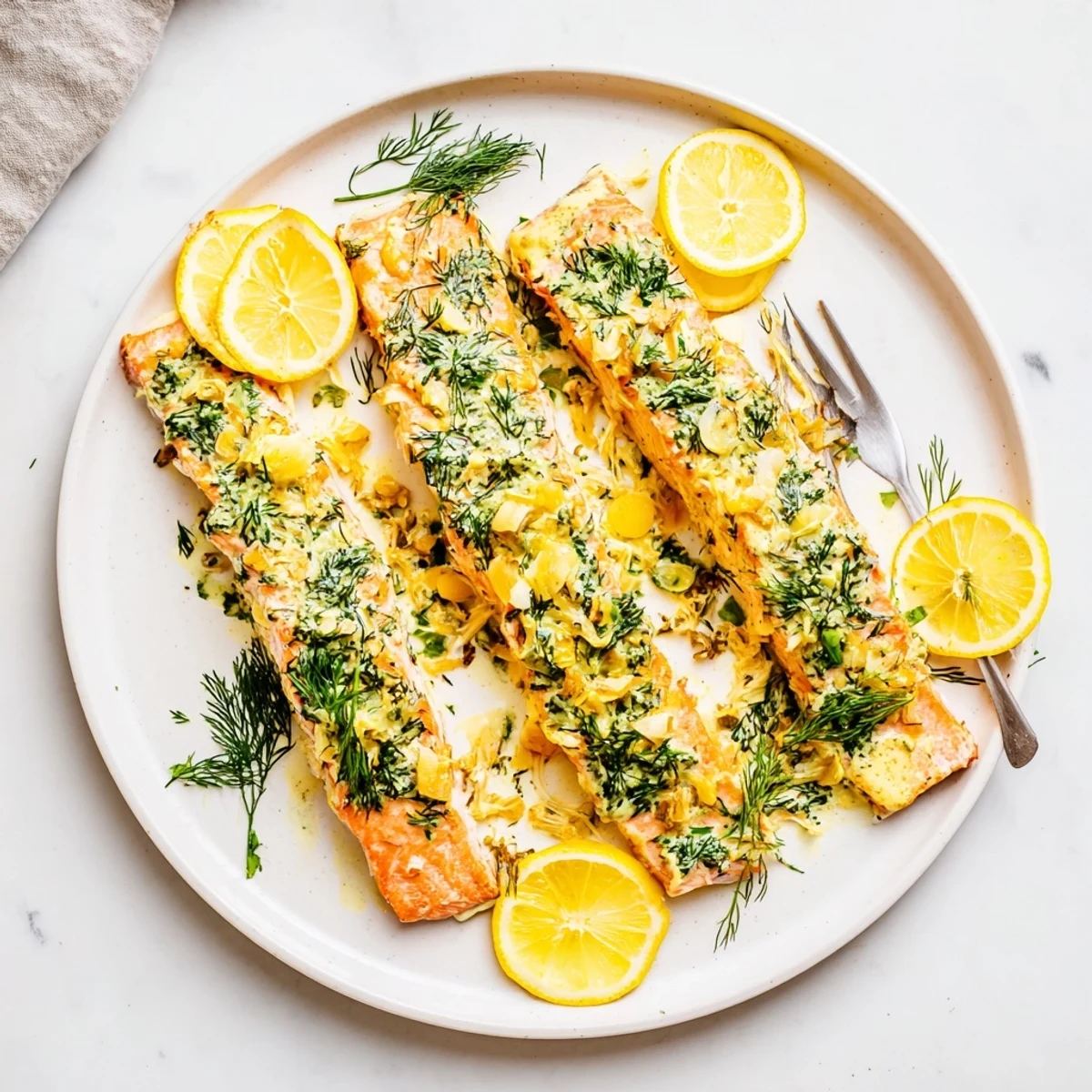
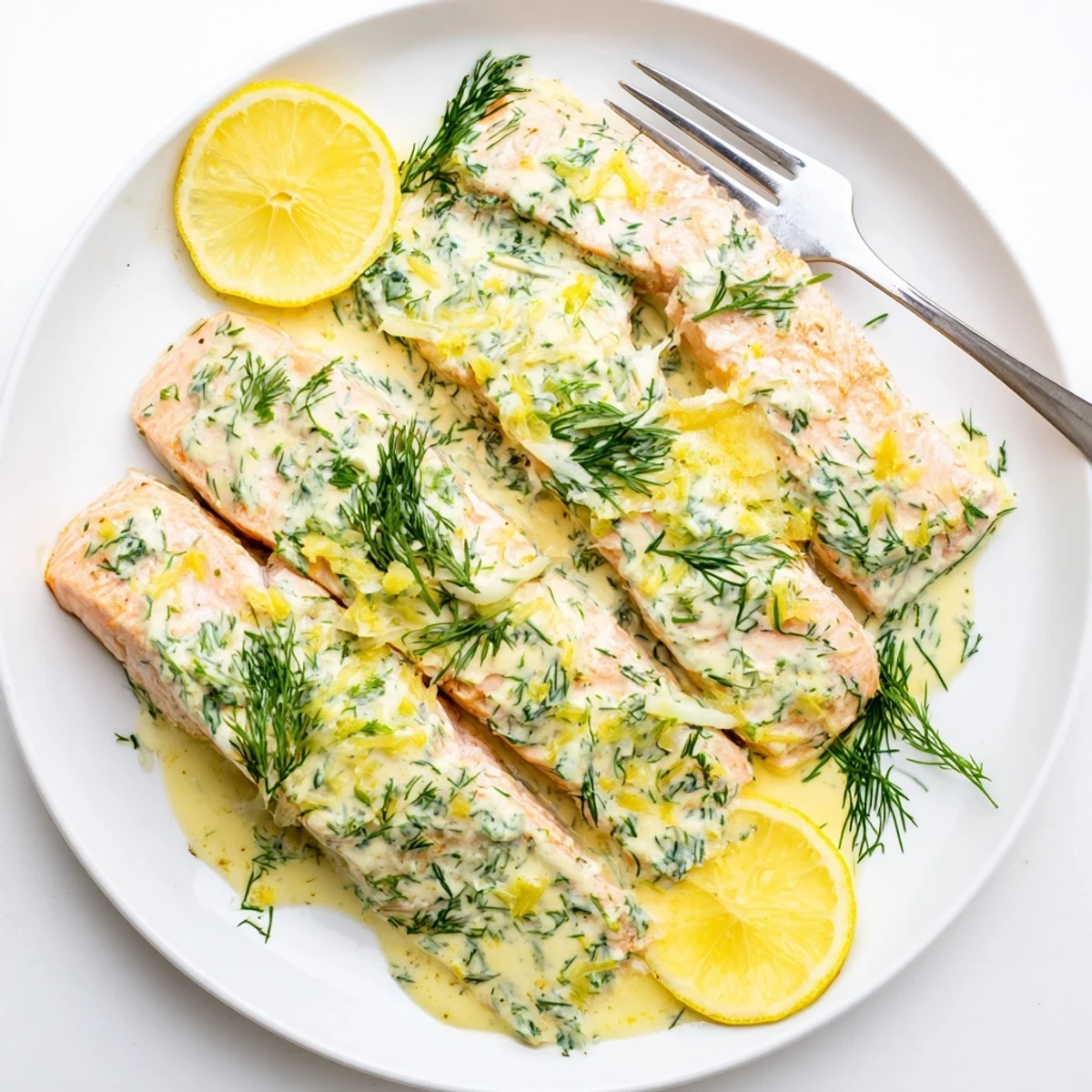
 This tender salmon fillet emerges from the oven perfectly flaky and moist, crowned with a vibrant sauce that balances bright lemon zest, aromatic fresh dill, and creamy Greek yogurt. The 30-minute timeline makes it ideal for weeknight dinners, while the elegant presentation suits special occasions alike.
The smell of roasting salmon always reminds me of rainy Tuesday evenings when cooking was the only way to reset. It is a fast, reliable comfort that feels elegant without the fuss. This particular dish brings a brightness that cuts through the gloom of a gray day.
I served this to a friend who swore they hated fish until they tried this sauce. Watching them scrape the plate clean was a silent victory I still think about.
Ingredients
- Salmon Fillets: Fresh fillets ensure the texture remains buttery rather than mushy.
- Olive Oil: A light coating helps the seasoning stick and keeps the fish moist.
- Fresh Dill: Dried herbs simply cannot match the vibrant pop of flavor that fresh dill provides.
- Lemon: Both the zest and juice are essential to cut through the rich salmon.
- Greek Yogurt: This adds a creamy tang to the sauce without making it too heavy.
- Garlic: One minced clove adds just enough bite to wake up the palate.
- Dijon Mustard: A small amount acts as an emulsifier to hold the sauce together perfectly.
Instructions
- Preheat and Prep:
- Set your oven to 200 degrees C (400 degrees F) and line a tray with parchment paper.
- Prepare the Fish:
- Pat the salmon fillets dry and place them on the tray with the skin side down.
- Season:
- Brush each piece with oil and sprinkle them with salt and pepper.
- Bake:
- Cook for about 15 to 18 minutes until the fish flakes easily with a fork.
- Whisk the Sauce:
- Mix the dill, lemon zest, juice, melted butter, yogurt, garlic, mustard, salt, and pepper in a bowl.
- Combine and Serve:
- Spoon the tangy sauce over the hot fillets and add garnish before serving immediately.
 Pin It
 There was a quiet Sunday when I paired this with a crisp white wine and watched the sunset. It turned a solitary meal into a moment of pure relaxation.
Choosing the Right Fish
Look for fillets that have a vibrant color and firm flesh to the touch. Avoid any that smell fishy, as fresh salmon should have a clean, oceanic aroma.
Making It a Meal
Roasted asparagus or a simple quinoa salad works wonders alongside the rich flavors. Keep the side dishes light so they do not compete with the star of the show.
Sauce Variations
Sometimes a little tweak changes the entire profile of the dish.
- Swap the yogurt for sour cream if you prefer a richer texture.
- Add a teaspoon of honey if you enjoy a hint of sweetness.
- Try adding chopped capers for a salty brine that complements the lemon.
 Pin It
 This recipe is a staple for a reason and never fails to impress. Enjoy every bite of this simple, healthy delight.
Recipe FAQs
- → What temperature should I bake salmon at?
-
Bake salmon at 200°C (400°F) for 15–18 minutes until the flesh becomes opaque and flakes easily with a fork.
- → Can I make the dill lemon sauce ahead of time?
-
Yes, prepare the sauce up to 2 days in advance and store it in the refrigerator. Bring it to room temperature before serving.
- → What sides pair well with this salmon?
-
Steamed asparagus, roasted potatoes, or a light green salad complement the flavors beautifully. Rice or quinoa also work well.
- → Can I substitute the Greek yogurt?
-
Sour cream or crème fraîche make excellent substitutes. Crème fraîche yields a richer sauce, while sour cream maintains a similar tangy profile.
- → Should I remove the skin before baking?
-
Leaving the skin on helps retain moisture during baking. Serve it skin-side down so diners can easily lift the fillet off the skin if preferred.
- → How do I know when salmon is fully cooked?
-
The salmon is done when it turns opaque throughout and flakes easily when gently pressed with a fork. The internal temperature should reach 63°C (145°F).