
 Pin It
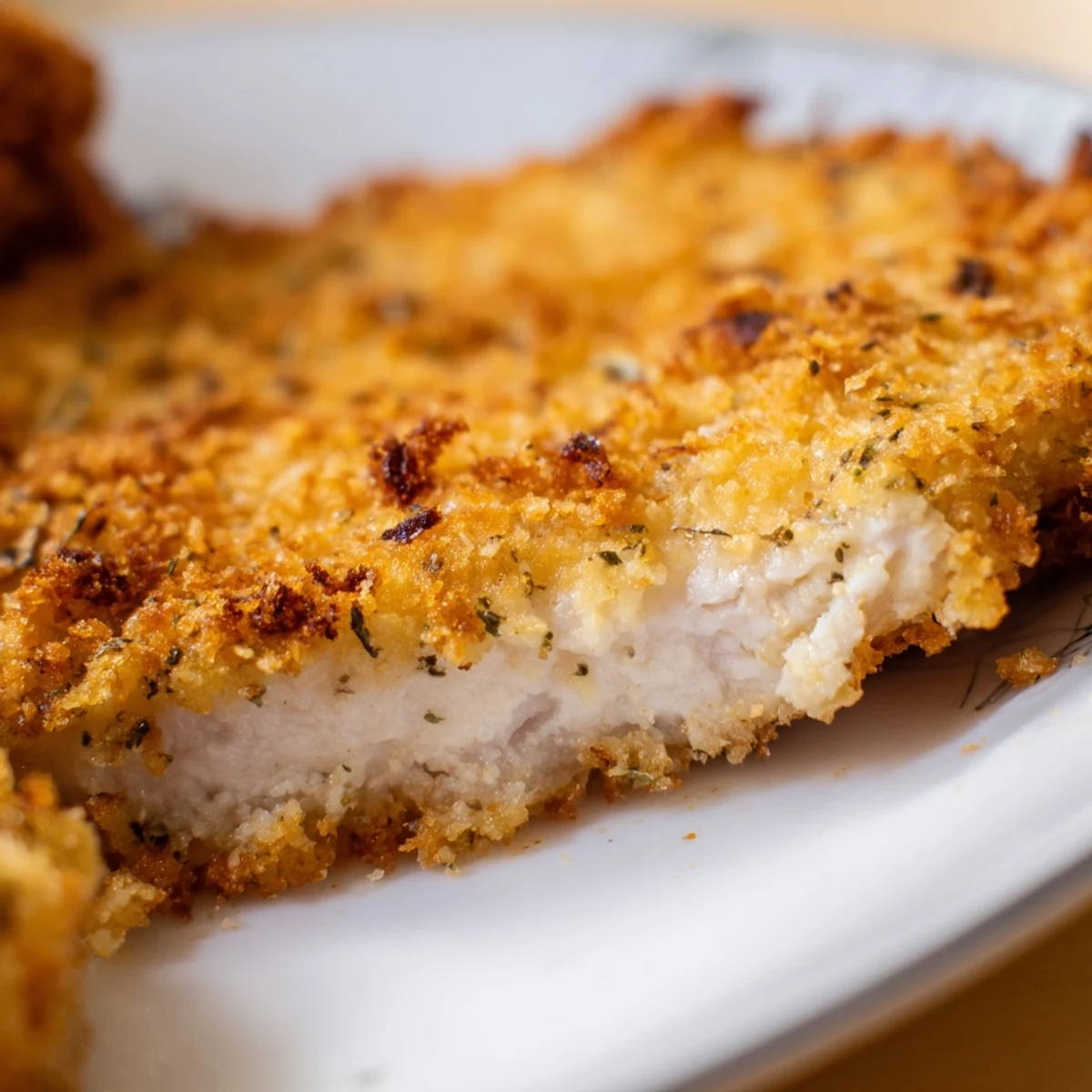
 This dish features boneless chicken breasts marinated in buttermilk and spices to enhance tenderness. Coated in a seasoned blend of flour, panko, and herbs, each piece is pan-fried to a golden crisp. The result is a satisfying balance of crunchy crust and juicy meat, great for weeknight dinners. Serve hot with sides like mashed potatoes or a fresh salad for a wholesome meal.
There's something about the smell of chicken hitting hot oil that instantly transports me back to my grandmother's kitchen, where she'd stand at the stove with absolute confidence, never checking a timer once. She'd just know when it was golden, when it was done, and the sound of that sizzle was somehow both the promise of dinner and a small moment of peace in her day. I've spent years trying to replicate that exact texture—that shattering crust giving way to meat so tender it barely needs a fork—and I finally cracked the code: buttermilk and time.
I tested this recipe on a Tuesday night when my partner came home completely defeated by work, and watching their face light up when they took that first bite reminded me why cooking even matters. They ate two pieces without saying a word, just making that small satisfied noise, and suddenly the whole day felt different.
Ingredients
- Boneless, skinless chicken breasts: Look for ones that are similar in thickness so they cook evenly; if one seems thicker, you can gently pound it to match the others.
- Buttermilk: This is the secret weapon that keeps the chicken impossibly tender—don't skip it or substitute regular milk, as the acidity actually matters.
- All-purpose flour: The foundation of your crust; make sure it's fresh and not lumpy.
- Panko breadcrumbs: These create that distinctive shattering texture regular breadcrumbs can't quite achieve, and they brown beautifully.
- Paprika: Use it in both the marinade and coating for color and a subtle warmth that ties everything together.
- Vegetable oil: Choose one with a high smoke point; I use canola because it lets the chicken shine without any competing flavors.
- Garlic powder, oregano, cayenne: These are your seasoning backbone—don't underestimate how much they contribute to that restaurant-quality taste.
Instructions
- Prepare your marinade:
- Whisk the buttermilk, salt, pepper, garlic powder, and paprika together in a bowl large enough to hold all the chicken. The mixture should smell garlicky and inviting—that's how you know you've got the seasonings right.
- Marinate the chicken:
- Submerge each breast in the buttermilk mixture, making sure they're fully coated, then cover and refrigerate for at least 30 minutes. I usually let mine sit for a couple of hours because I like knowing the chicken is genuinely tender before it ever hits the pan.
- Mix your coating:
- In a shallow dish, combine the flour, panko, paprika, cayenne, oregano, salt, and pepper. Stir it with a fork until everything is evenly distributed—you want no clumps hiding in the flour.
- Dredge with intention:
- Pull each chicken breast from the marinade, letting excess buttermilk drip back into the bowl, then place it in your flour mixture. Press gently but firmly so the coating adheres rather than just sitting on top; this is where patience pays off.
- Heat your oil:
- Pour the vegetable oil into a large skillet and turn the heat to medium-high. Wait until a tiny piece of chicken coating sizzles immediately when it hits the oil—that sizzle tells you the temperature is right.
- Cook with attention:
- Lay each coated breast in the hot oil and don't move it for about 5 to 6 minutes; let the bottom develop that gorgeous golden-brown color before flipping. The second side usually takes a minute or two less because the chicken is already warming through.
- Rest before serving:
- Transfer the finished chicken to a paper towel-lined plate and let it sit for 5 minutes—this isn't just to drain oil, but to let the carryover cooking finish and the juices settle.
 Pin It
 My kid once asked why this chicken tasted different from the versions I'd made before, and I realized it was because I'd finally stopped rushing—I'd given the buttermilk time to work, pressed the coating on properly, and actually paid attention to the oil temperature instead of just hoping for the best. That's when I understood that crispy, juicy chicken isn't about fancy ingredients or complicated techniques; it's about respecting each small step.
What to Serve Alongside
This chicken is humble enough that it works with almost anything, but it genuinely sings next to creamy mashed potatoes or a bright coleslaw that cuts through the richness. A fresh green salad with lemon vinaigrette is my go-to when I want something lighter, and honestly, it tastes just as good the next day cold, straight from the fridge, if anyone's looking for a lazy lunch.
How to Know It's Perfect
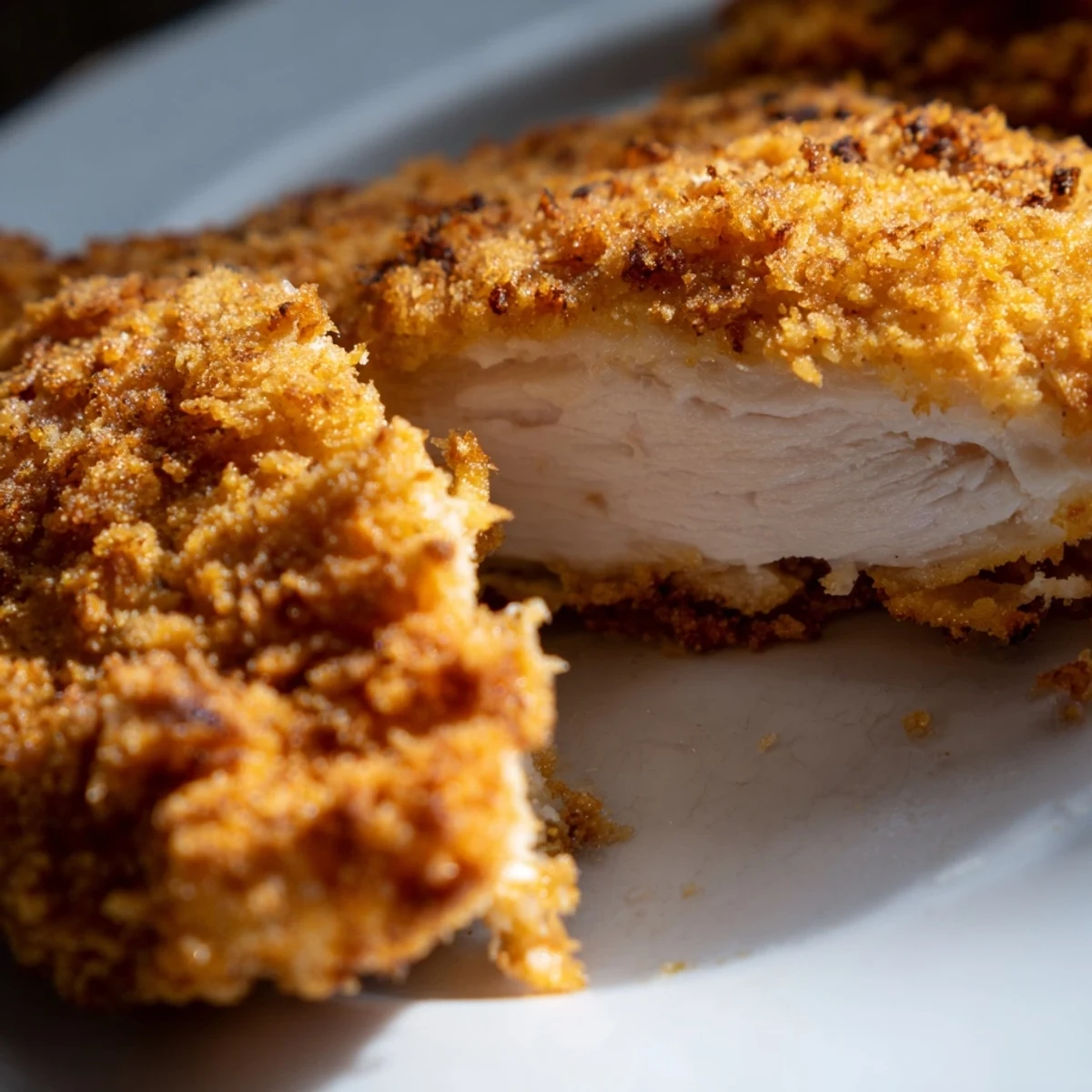
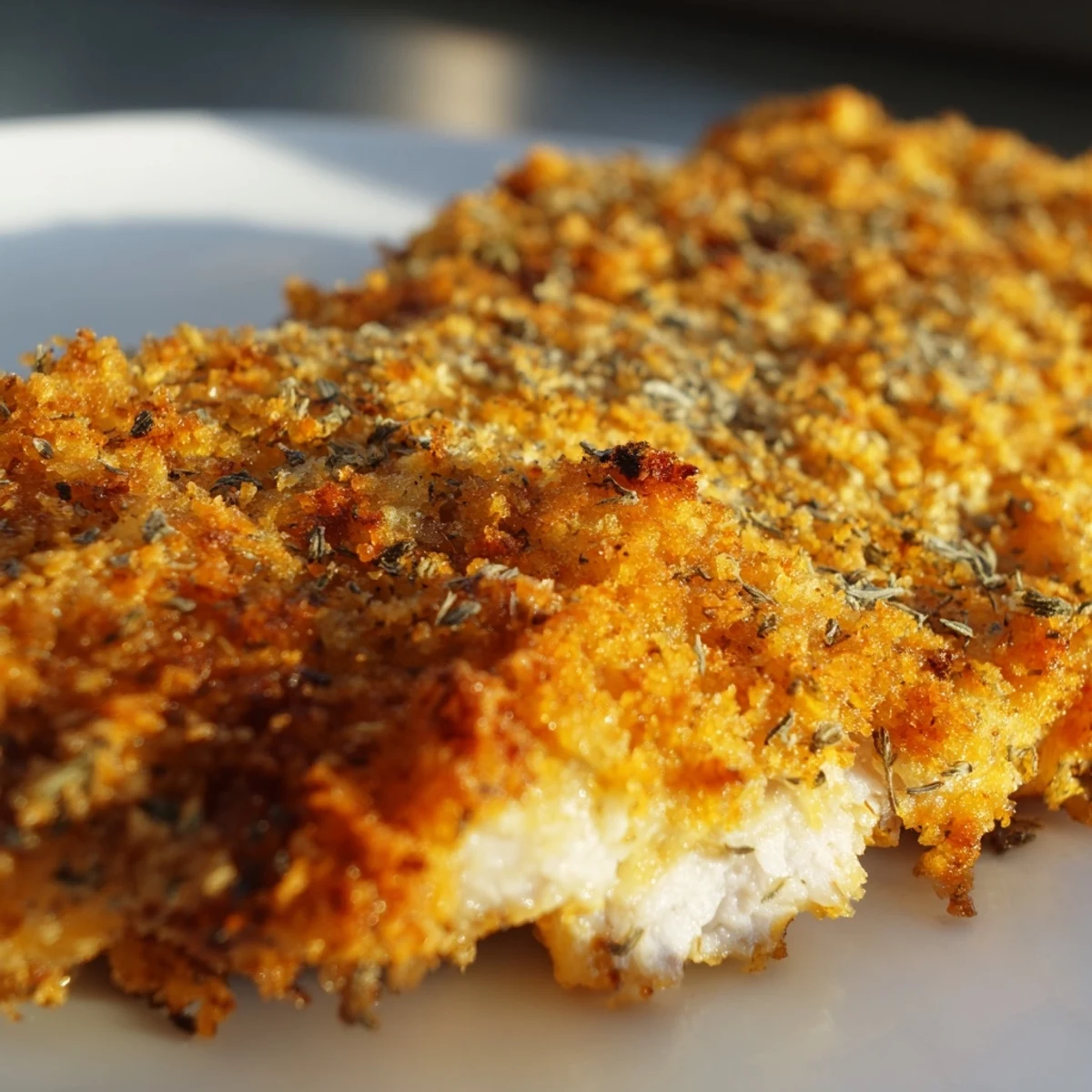
The coating should shatter when you cut into it, and the inside should be so tender that your fork barely meets resistance—if you're cutting and it feels tough, it's either still cooking or the marinade didn't have enough time. The color should be deep golden brown, almost mahogany in spots, and when you tap the chicken with your fork, it should sound crispy.
Making It Your Own
This recipe is forgiving enough to adapt to whatever you have on hand or whatever you're craving that night. Cayenne is optional if you don't like heat, and you can add fresh herbs, smoked paprika, or even a pinch of lemon zest to the coating if you want to experiment.
- For a gluten-free version, swap the flour and panko for gluten-free alternatives and cook exactly the same way.
- If you're short on time, even 15 minutes of marinating will improve the chicken compared to no marinade at all.
- Leftover cooked chicken shreds beautifully into salads, sandwiches, or grain bowls the next day.
 Pin It
 This is the kind of dinner that tastes like someone put real thought into it, even though you're just following a few simple steps and trusting the process. Serve it warm, watch people eat without talking, and know that you've made something that matters.