
 Pin It
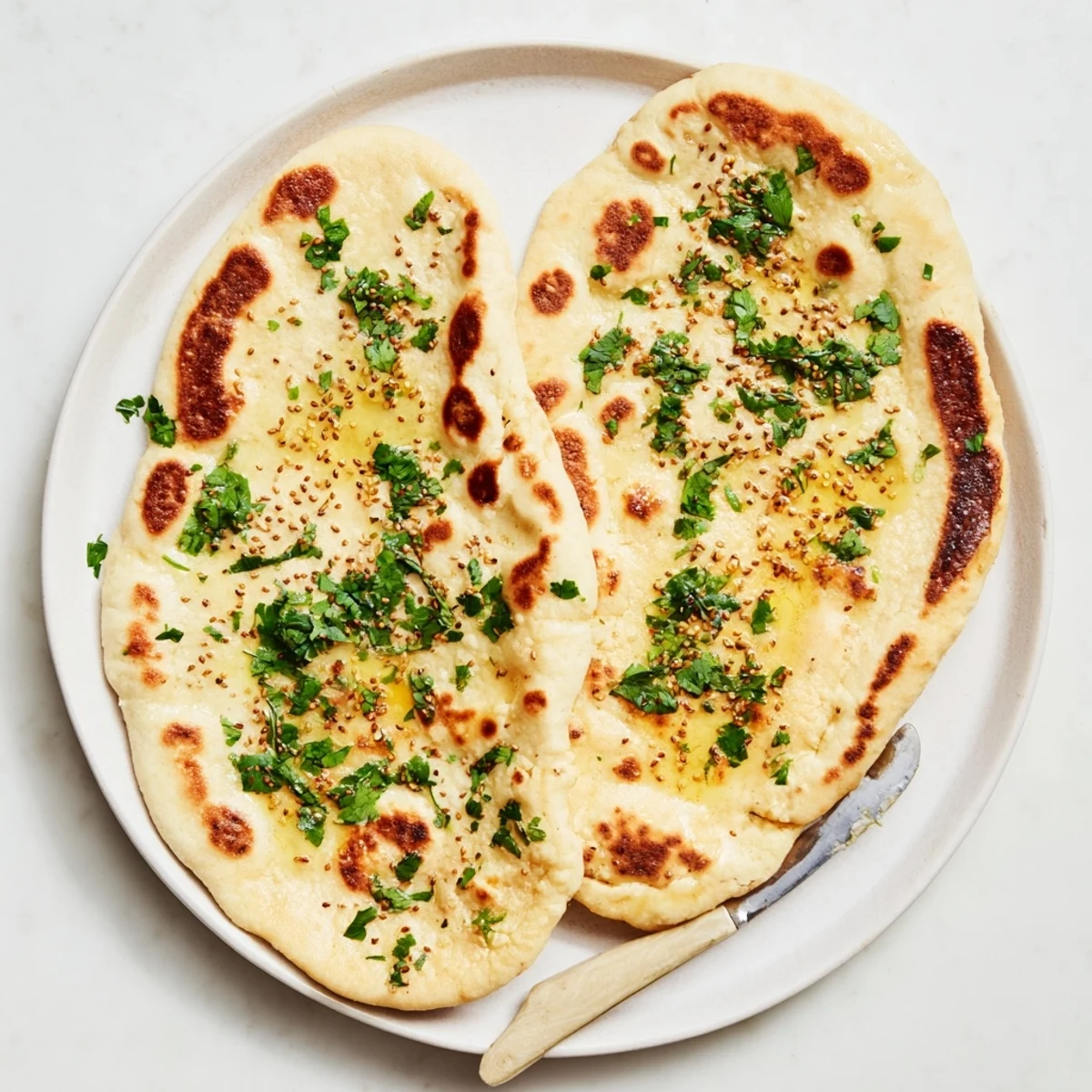
 Create irresistibly soft naan using your sourdough discard. This Indian-style flatbread combines unfed starter with yogurt for tenderness, resulting in pillowy bubbles and golden spots when seared in a hot skillet.
The dough comes together quickly and needs just 1-2 hours to rise. Roll into ovals, cook in a cast iron pan until bubbles appear, then brush with melted butter. Add garlic, cilantro, or nigella seeds for extra flair.
Perfect for scooping up curries, dipping into dal, or serving alongside tandoori dishes. Best enjoyed fresh from the pan but easily reheated.
My sourdough jar was getting dangerously close to overflowing when I decided, on a rainy Tuesday evening, that dumping discard into the compost yet again felt like a personal failure. I had a pot of dal simmering on the stove and a stubborn conviction that there had to be a better way. That night I mixed the tangy, bubbly discard straight into a soft dough, and the naan that came off my cast iron skillet was so blistered and pillowy that my partner stopped mid-sentence and just stared at the plate.
I have since made these for friends who showed up unannounced, for a neighbor who brought over mangoes from her tree, and once at eleven at night when sleep was not coming but hunger was. Each batch turns out slightly different depending on how old the discard is, and that unpredictability is part of the charm.
Ingredients
- Sourdough discard (1 cup, unfed, 100% hydration): This is the star of the show, and older discard actually contributes more depth of flavor than fresh.
- All-purpose flour (2 1/4 cups): Keeps the naan tender, and you do not need bread flour here because you want softness, not chew.
- Plain yogurt (1/2 cup): Adds richness and a slight acidity that works beautifully with the sourdough tang.
- Melted butter or neutral oil (2 tablespoons): Fat in the dough keeps it supple and prevents sticking when you roll it out.
- Sugar (2 teaspoons): Just enough to help with browning without making the bread sweet.
- Salt (1 teaspoon): Do not skip this, because the difference between flat and flavorful is one teaspoon.
- Baking powder (1/2 teaspoon) and baking soda (1/4 teaspoon): Together they give the naan those signature puffy bubbles.
- Warm water (2 to 4 tablespoons): Added gradually because every batch of discard has a different moisture level.
- Melted butter for brushing (2 tablespoons): This is what makes the finished naan glossy and irresistible.
- Optional toppings (fresh cilantro, minced garlic, nigella seeds): Pick one or pile them all on, because there are no wrong answers here.
Instructions
- Build the wet mixture:
- In a large bowl, whisk together the sourdough discard, yogurt, sugar, melted butter or oil, salt, baking powder, and baking soda until the mixture looks creamy and smooth with no streaks of yogurt visible.
- Bring in the flour:
- Gradually add the flour, stirring with a spoon or your hand until a shaggy, messy dough comes together and most of the dry bits have been absorbed.
- Find the right hydration:
- Add warm water one tablespoon at a time, working it in after each addition, until the dough feels soft and just slightly tacky but holds its shape when you gather it into a ball.
- Knead until smooth:
- Turn the dough onto a lightly floured counter and knead gently for two to three minutes until the surface looks smooth and the dough springs back slowly when poked.
- Let it rest and rise:
- Place the dough in a greased bowl, drape a damp towel over the top, and tuck it somewhere warm for one to two hours until puffed and relaxed, though it likely will not double.
- Shape the portions:
- Divide the dough into eight even pieces, rolling each one into a smooth ball between your palms and setting them on a floured surface with space between them.
- Roll out each naan:
- Using a rolling pin on a lightly floured surface, roll each ball into an oval or teardrop shape about a quarter inch thick, dusting with flour only if the dough sticks.
- Get the pan screaming hot:
- Set a cast iron skillet or nonstick pan over medium-high heat and let it preheat for at least three minutes until a flick of water dances and sizzles on the surface.
- Cook until golden and blistered:
- Lay one naan in the hot pan and watch for bubbles to form across the surface while the bottom turns golden brown, about one to two minutes, then flip and cook another thirty to sixty seconds.
- Brush and garnish while hot:
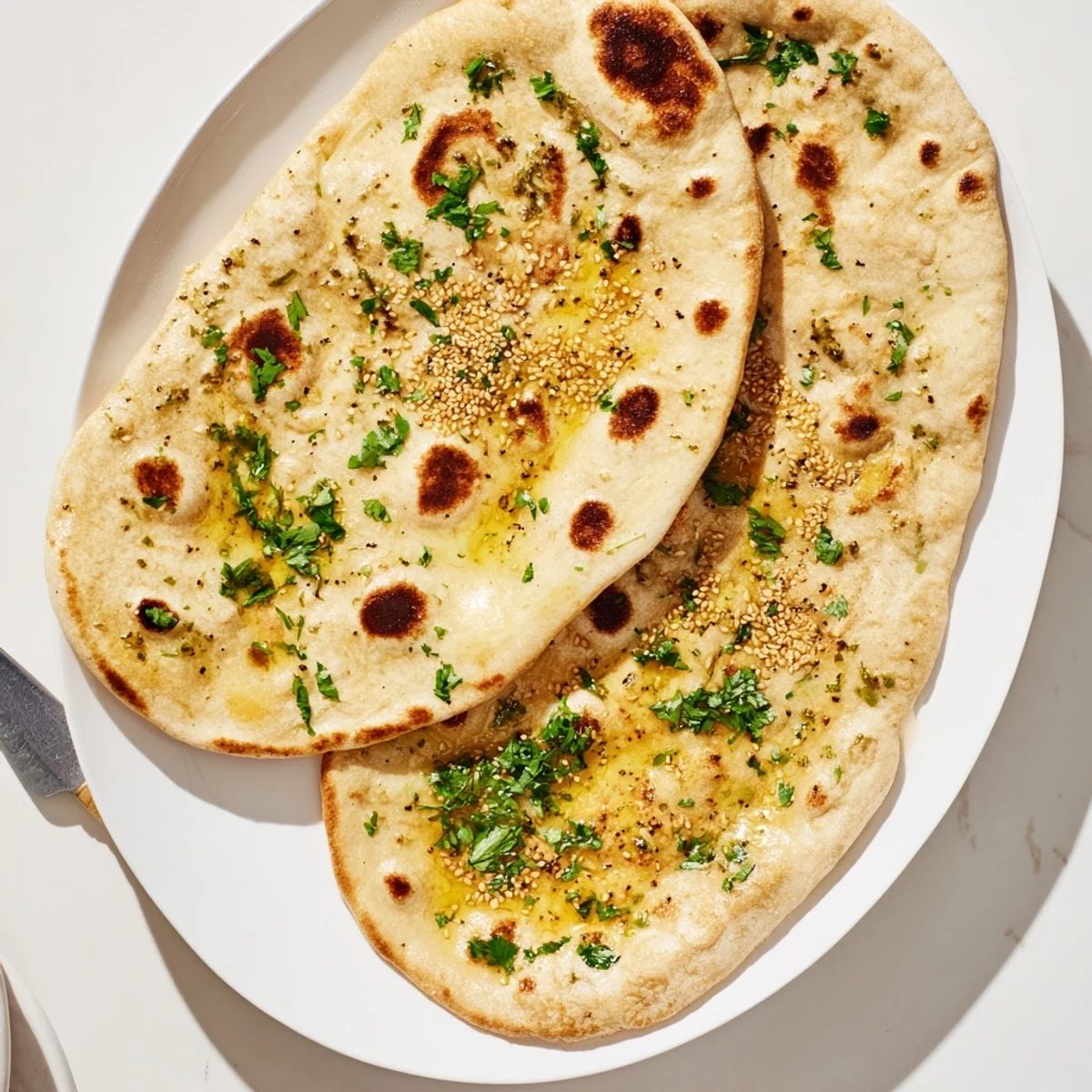
- Immediately brush the cooked naan with melted butter and sprinkle with garlic, cilantro, or nigella seeds if using, then repeat with the remaining dough balls and serve warm.
 Pin It
 The first time I pulled a batch of these off the skillet and stacked them on a plate, my kitchen smelled exactly like the little restaurant down the street from where I grew up, and I sat on the floor tearing pieces with my hands before the dal was even ready.
Choosing the Right Sourdough Discard
Discard that has been sitting in your jar for a week will give the naan a pronounced sourness that pairs beautifully with rich curries, while freshly removed discard tastes milder and sweeter. Both work perfectly well, so use whatever you have and adjust your expectations accordingly.
Making It Vegan
Swap the yogurt for an unsweetened plant-based alternative such as coconut or almond yogurt, and use oil instead of butter in both the dough and for brushing. The texture stays nearly identical, and the flavor is still outstanding enough that nobody will guess it is vegan.
Storing and Reheating Leftovers
These are undeniably best eaten fresh off the pan, but leftovers can be wrapped tightly and kept at room temperature for a day or frozen for up to a month. A quick reheat in a dry hot skillet brings back the softness and char better than any microwave ever will.
- Sprinkle a few drops of water on the naan before reheating to restore moisture.
- Freeze individual naans separated by parchment paper so they do not stick together.
- Always reheat in a pan rather than the microwave for the best texture.
 Pin It
 There is something deeply satisfying about turning waste into something warm and golden, and every time I scrape sourdough discard into a bowl now, I think about naan instead of what I used to throw away. Keep a cast iron pan ready, because once you try this, Tuesday nights will never be the same.
Recipe FAQs
- → What makes this naan pillowy and tender?
-
The combination of sourdough discard, yogurt, and a touch of baking powder creates a soft, pliable dough. The acid in the discard and yogurt tenderizes the gluten, while the baking agents help the naan puff beautifully when cooked.
- → Can I use active sourdough starter instead of discard?
-
Yes, you can substitute active fed starter for the discard. The dough may rise slightly faster and have a more pronounced tangy flavor. Adjust the flour if the dough feels too sticky.
- → Why does my naan not bubble when cooking?
-
Ensure your skillet is thoroughly heated before adding the dough. A very hot pan creates instant steam, causing the dough to puff. Also, roll the dough evenly to about 1/4-inch thickness—not too thick or thin.
- → How do I make garlic naan?
-
Minced 3-4 garlic cloves into your melted butter before brushing the cooked naan. Alternatively, press minced garlic into the dough before rolling, or sprinkle garlic on top during the last seconds of cooking.
- → Can I freeze the dough or baked naan?
-
Yes, both freeze well. Wrap unrolled dough balls individually and freeze for up to 3 months—thaw overnight in the fridge before rolling. Baked naan can be frozen in airtight bags; reheat directly from frozen in a hot pan.
- → What's the best pan for cooking naan?
-
A cast iron skillet or heavy-bottomed pan retains heat evenly, creating those signature golden spots. Ensure the pan is very hot but not smoking. Nonstick works too, though cast iron yields the best results.