
 Pin It
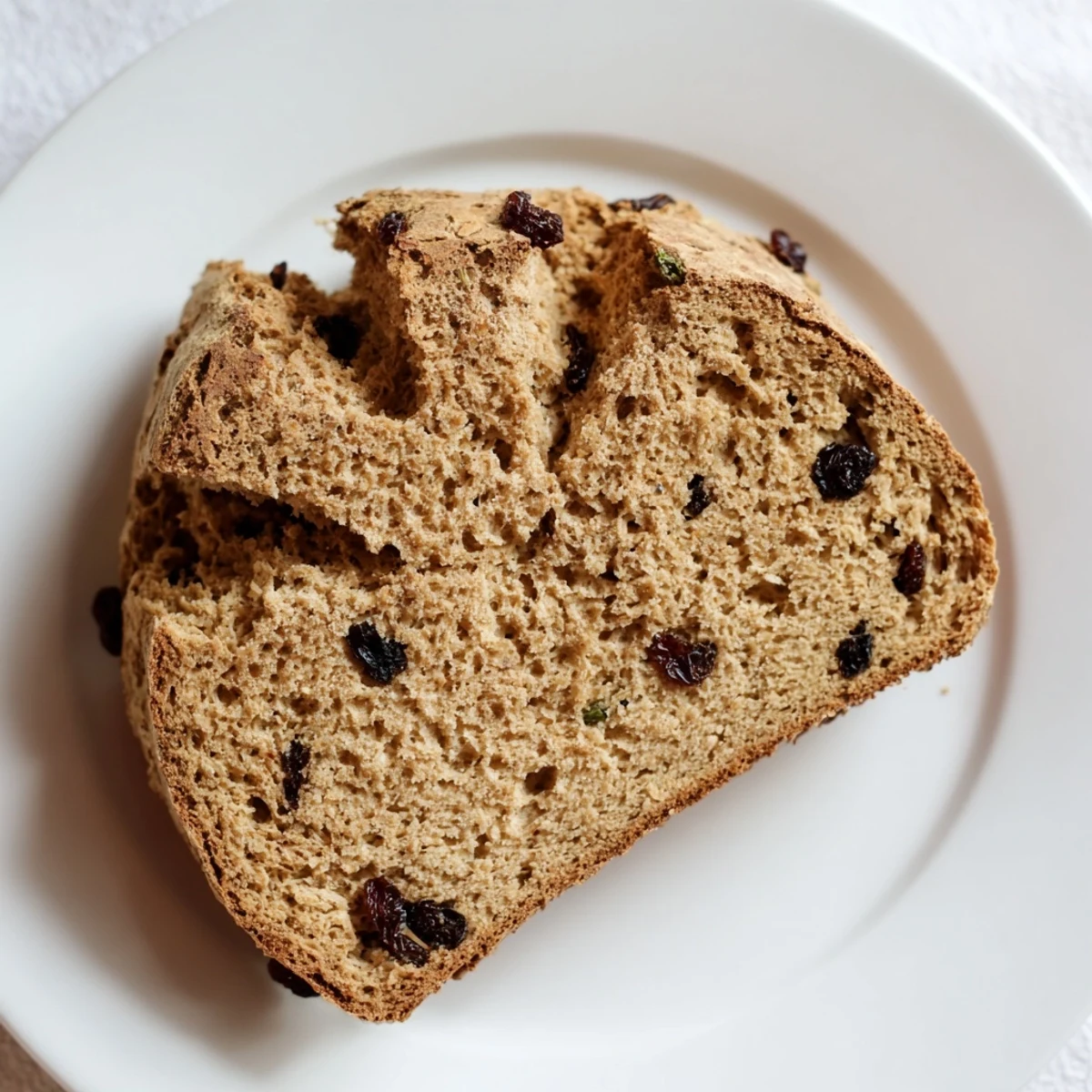
 This wholesome loaf combines hearty whole wheat flour with sweet currants for a rustic, flavorful bread. A quick and easy baking option, it features a gentle tang from buttermilk and a golden crust achieved by a signature X cut before baking. Ideal warm with butter, honey, or jam, it suits vegetarian diets and pairs perfectly with tea or coffee. Prepare the dough with simple ingredients, bake for about 40 minutes, then cool before slicing for a satisfying, nourishing treat.
There's something almost magical about a bread that requires no patience whatsoever—no rising, no waiting, no anxiety about whether the yeast is alive. I stumbled into soda bread completely by accident one rainy Tuesday when I realized I was out of yeast but desperately needed something warm from the oven. The whole wheat version has become my go-to because it feels substantial in a way that white flour never quite achieves, and those little currants scattered throughout make every slice feel like finding small treasures.
My grandmother would have laughed at how seriously I used to take bread making, all those timers and temperature checks and nervous pacing. She made soda bread every morning without measuring anything, and the sound of her knife cutting that cross into the top of the loaf is something I can still hear clearly. Now I make this when friends come over for breakfast, and there's never a slice left once the coffee pot is empty.
Ingredients
- Whole wheat flour: The foundation that gives this bread its characteristic nutty flavor and satisfying heft
- Allpurpose flour: Keeps the loaf tender since too much whole wheat can make bread dense and heavy
- Baking soda: The leavening agent that reacts with buttermilk to create rise without any yeast
- Salt: Essential for flavor balance, especially important in quick breads with few ingredients
- Granulated sugar: Just enough to complement the currants without making the bread sweet like cake
- Dried currants: Smaller and more tart than raisins, they distribute beautifully throughout the dough
- Buttermilk: The acidic ingredient that activates the baking soda and creates an incredibly tender crumb
- Unsalted butter: Melted into the dough adds richness and helps the crust develop gorgeous color
Instructions
- Get your oven ready:
- Preheat to 400°F and prepare your baking sheet so you can move quickly once the wet and dry ingredients meet
- Whisk the dry foundation:
- Combine both flours with baking soda, salt, and sugar until everything is evenly distributed
- Add the little gems:
- Stir in the currants so they are coated in flour and wont clump together in the finished loaf
- Bring it together:
- Make a well in the center and pour in the buttermilk and melted butter, mixing just until the flour disappears and you have a shaggy, sticky dough
- Shape with confidence:
- Turn onto a lightly floured surface and gently form into a round about 7 inches across, handling the dough as little as possible
- The signature cut:
- Transfer to your prepared sheet and cut a deep cross into the top, about half an inch deep, which helps the bread bake through evenly
- Until golden and hollow:
- Bake for 35 to 40 minutes until the loaf has turned a beautiful golden brown and sounds hollow when you tap the bottom
- The hard part:
- Let it cool on a wire rack for at least 30 minutes because cutting into hot bread will ruin the texture you just created
 Pin It
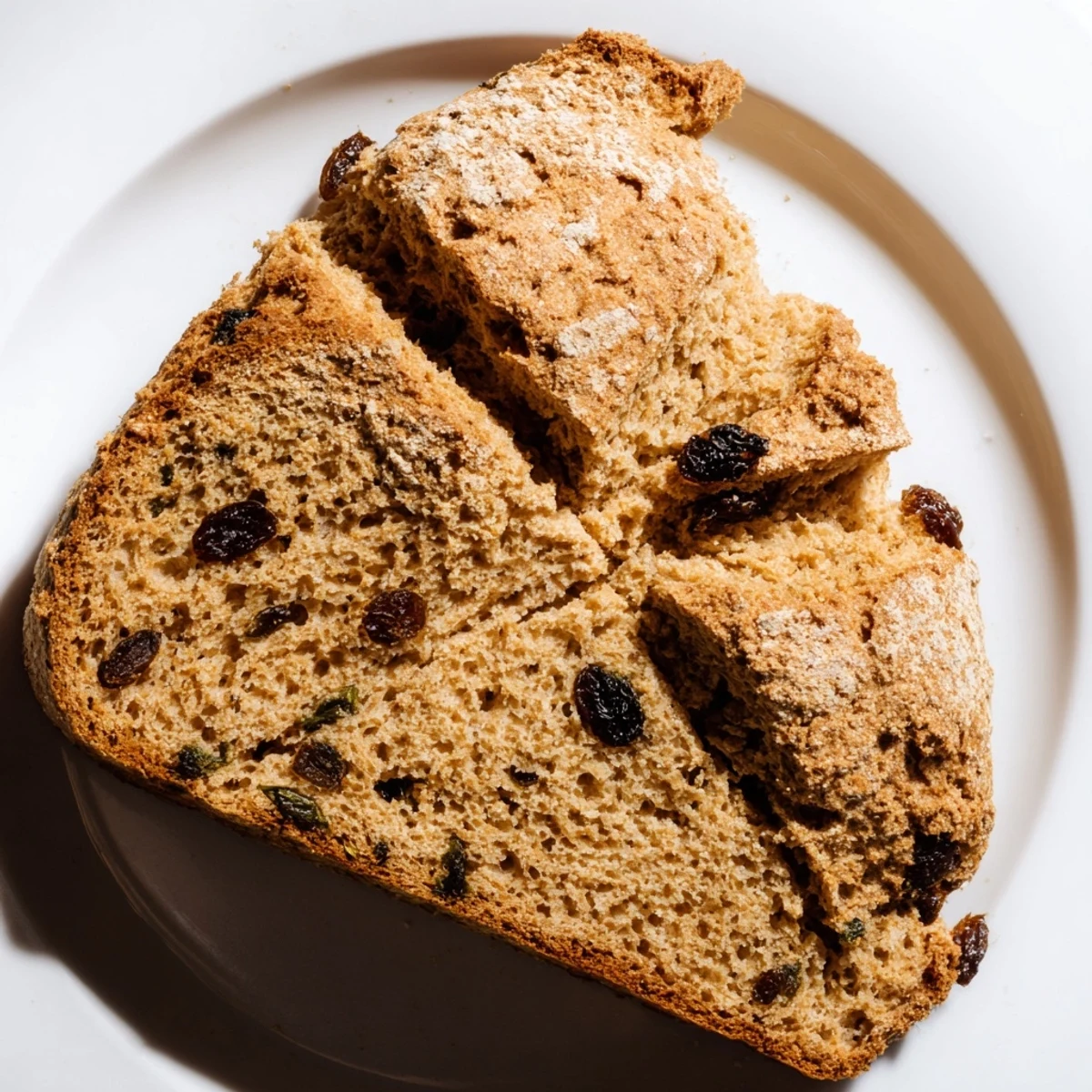
 Last winter, my neighbor texted at 7 AM asking what smelled so incredible. I brought over a stillwarm loaf, and we ended up eating the entire thing standing at her counter with butter running down our wrists, talking about everything and nothing. Some breads are for special occasions, but this one is for right now.
The Truth About Buttermilk
Real buttermilk makes a difference you can taste, but I have made this successfully with milk mixed with a tablespoon of vinegar and left to sit for ten minutes. The acidity matters more than the buttermilk itself, and your baking soda needs something to react with.
Making It Yours
Orange zest added with the dry ingredients transforms this into something that feels bakeryspecial, and Ive been known to swap the currants for chopped dried figs when I want something more sophisticated. The recipe forgives these small betrayals gracefully.
Serving Suggestions
Slathered with salted butter while still slightly warm is perhaps the most perfect breakfast that exists, but this bread also makes exceptional sandwiches, especially with sharp cheddar and apple slices. Dayold slices revived in the toaster with a bit of honey will make you forget it wasnt fresh baked.
- The bread freezes beautifully if you wrap it tightly and thaw it in a 300°F oven for ten minutes
- Any leftovers can be cubed and toasted into croutons that will elevate your soup game immediately
- Try slicing it extra thin and toasting for the most remarkable vehicle for softened goat cheese
 Pin It
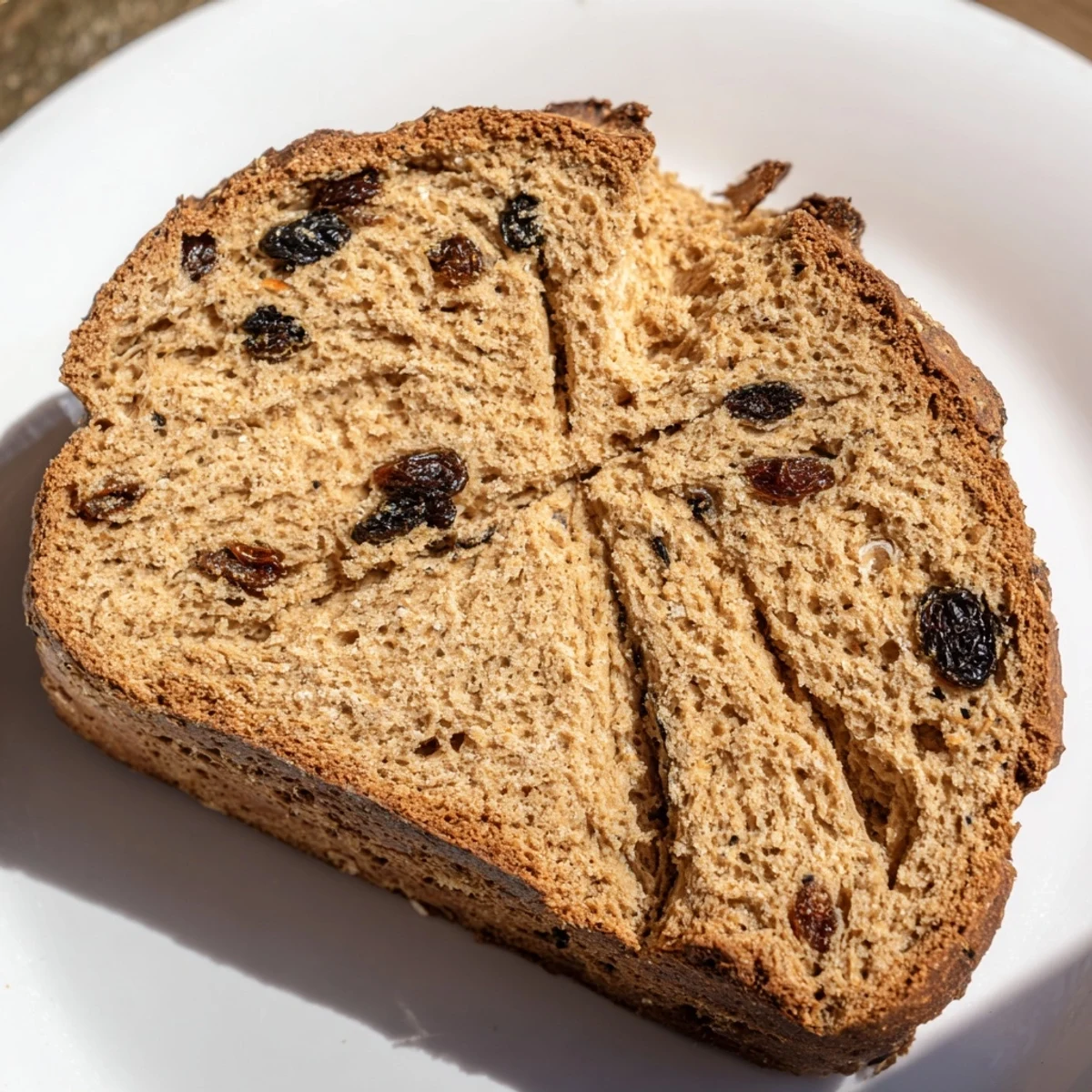
 There is something profoundly grounding about making bread with your hands, even when the process takes less than an hour from start to finish. This recipe reminds me that good food does not always demand our whole day, just our full attention for the moments we give it.
Recipe FAQs
- → What gives this bread its characteristic tang?
-
The tangy flavor comes from the buttermilk, which reacts with baking soda to leaven the dough and add a slight acidity to the bread.
- → Can I substitute currants with other dried fruits?
-
Yes, raisins or dried cranberries can be used to provide a similar burst of sweetness and texture.
- → How do I know when the loaf is fully baked?
-
The bread is done when it turns golden brown and sounds hollow when tapped on the bottom.
- → What's the purpose of the deep X cut on top?
-
The X helps the bread bake evenly by allowing steam to escape and the loaf to expand properly during baking.
- → Is it necessary to use whole wheat flour in this loaf?
-
Whole wheat flour provides a hearty texture and richer flavor, but you can adjust the ratio with all-purpose flour for a lighter crumb.