
 Pin It
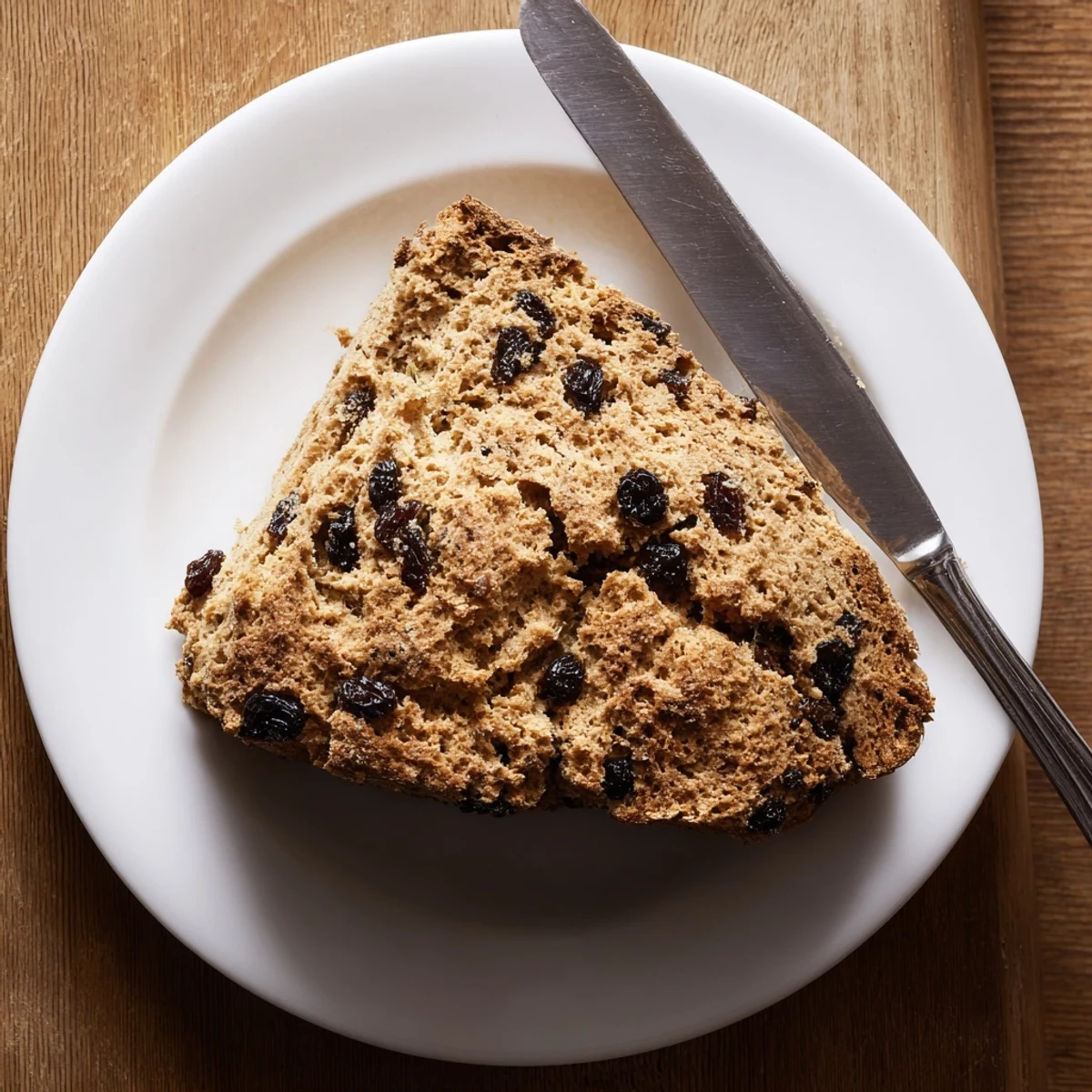
 This hearty Irish bread blends whole wheat and all-purpose flours with dried currants for a touch of sweetness. Using baking soda as leavening and buttermilk for moisture, it requires no yeast. The dough is gently mixed, shaped into a round loaf, and marked with a traditional deep X on top. It bakes to a golden crust in about 40 minutes, offering a rustic texture perfect for any time of day. Optional dairy-free swaps allow for versatility, while serving suggestions include butter, jam, or honey for extra flavor.
The smell of whole wheat soda bread baking reminds me of rainy Sunday mornings when I needed something warm and comforting but refused to wait hours for dough to rise. I stumbled upon this recipe during a particularly gloomy March, and the first time I pulled that golden loaf from the oven, my tiny kitchen felt suddenly cozy and complete. The currants add these little bursts of sweetness throughout that make every slice feel like a small treat.
Last winter my neighbor came over unexpectedly with fresh butter, and I panicked because I had nothing to serve. I threw this together while she sat at my table, and by the time the kettle boiled, warm bread was ready to slice. She now asks for the recipe every time we talk, and honestly, I make it twice a week just because the ritual of cutting that X into the dough has become such a comforting part of my baking routine.
Ingredients
- Whole wheat flour: The foundation that gives this bread its hearty, nutty character and satisfying bite
- All-purpose flour: Keeps the loaf tender since whole wheat alone can make bread dense and heavy
- Baking soda: The leavening agent that reacts with buttermilk to create those lovely rise pockets
- Salt: Essential for balancing the sweetness from currants and enhancing the wheat flavor
- Dark brown sugar: Adds subtle molasses notes that deepen the overall taste
- Dried currants: Smaller and more tart than raisins, they distribute beautifully throughout the crumb
- Buttermilk: Provides acidity for the baking soda and creates a tender, moist crumb
- Unsalted butter: Melts into the dough for richness and helps create a crisp, golden crust
Instructions
- Get your oven ready:
- Preheat to 400°F with a rack in the middle, and line your baking sheet with parchment paper for easy cleanup.
- Whisk the dry mixture:
- Combine both flours, baking soda, salt, and brown sugar in a large bowl until everything looks evenly blended.
- Add the currants:
- Stir them through so they get coated in flour, which helps prevent them from clumping together.
- Make a well and pour:
- Create a deep hollow in the center of your flour mixture, then add buttermilk and melted butter all at once.
- Gentle mixing only:
- Use a wooden spoon or your hands to bring the dough together, stopping as soon as the flour disappears.
- Quick knead:
- Turn onto a floured surface and fold it over itself just a few times until it holds its shape.
- Shape and score:
- Form a round about seven inches across, place on your baking sheet, and cut a deep cross in the top.
- Bake until golden:
- Slide into the oven for thirty-five to forty minutes until the bottom sounds hollow when you tap it.
- Patience pays off:
- Let it cool on a wire rack for at least twenty minutes so the crumb sets properly.
 Pin It
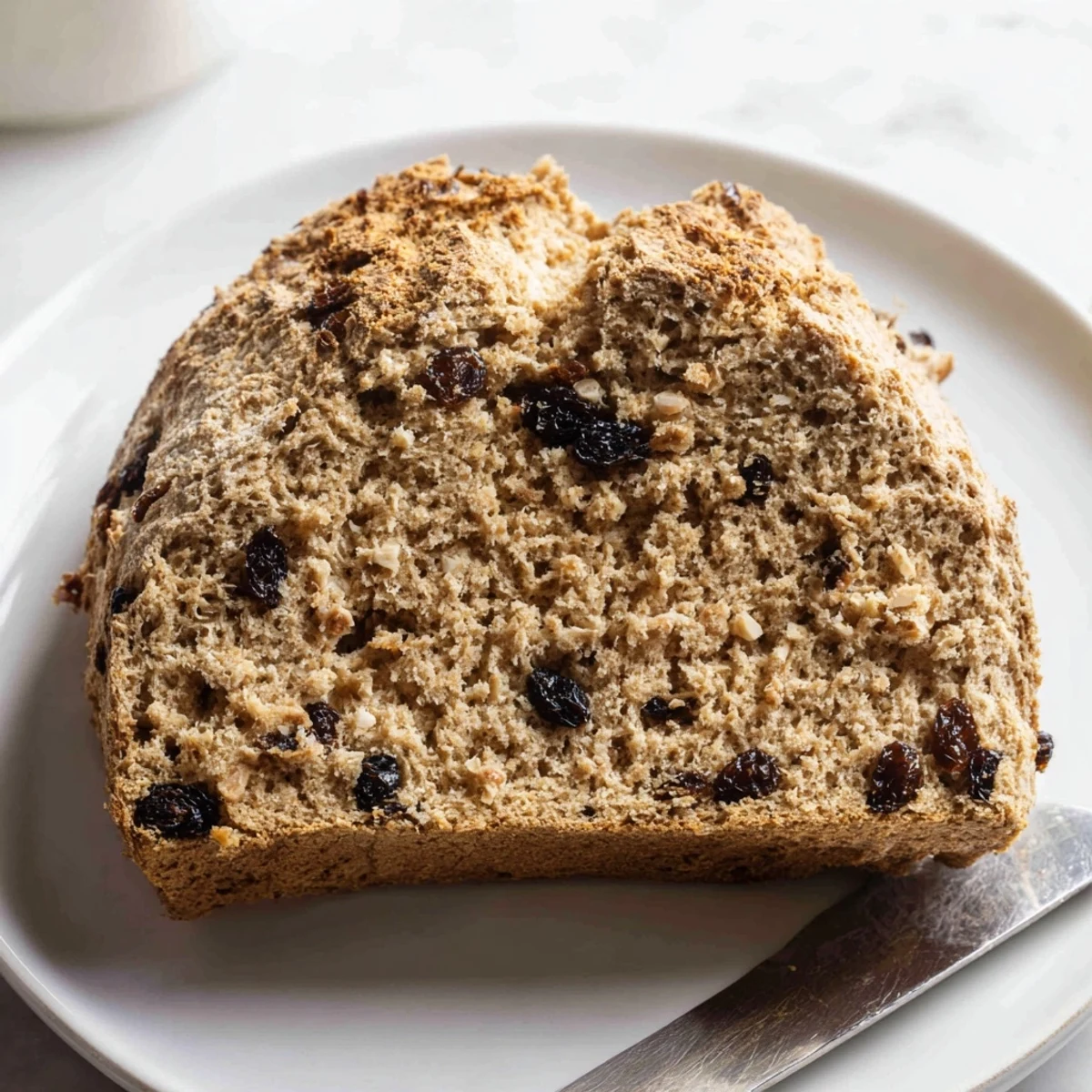
 My mother-in-law told me that in Ireland, the cross on soda bread was traditionally cut to bless the bread and protect the household, but I just love how it makes the loaf look so rustic and inviting. Every time I serve this, someone inevitably comments on how professional it appears, unaware that it took me barely any effort at all.
Making It Your Own
Sometimes I swap the currants for chopped dried figs when I want something more sophisticated, or add caraway seeds if I am craving that traditional Irish soda bread flavor. The beauty of this recipe is how forgiving it is, it tolerates substitutions beautifully.
Serving Suggestions
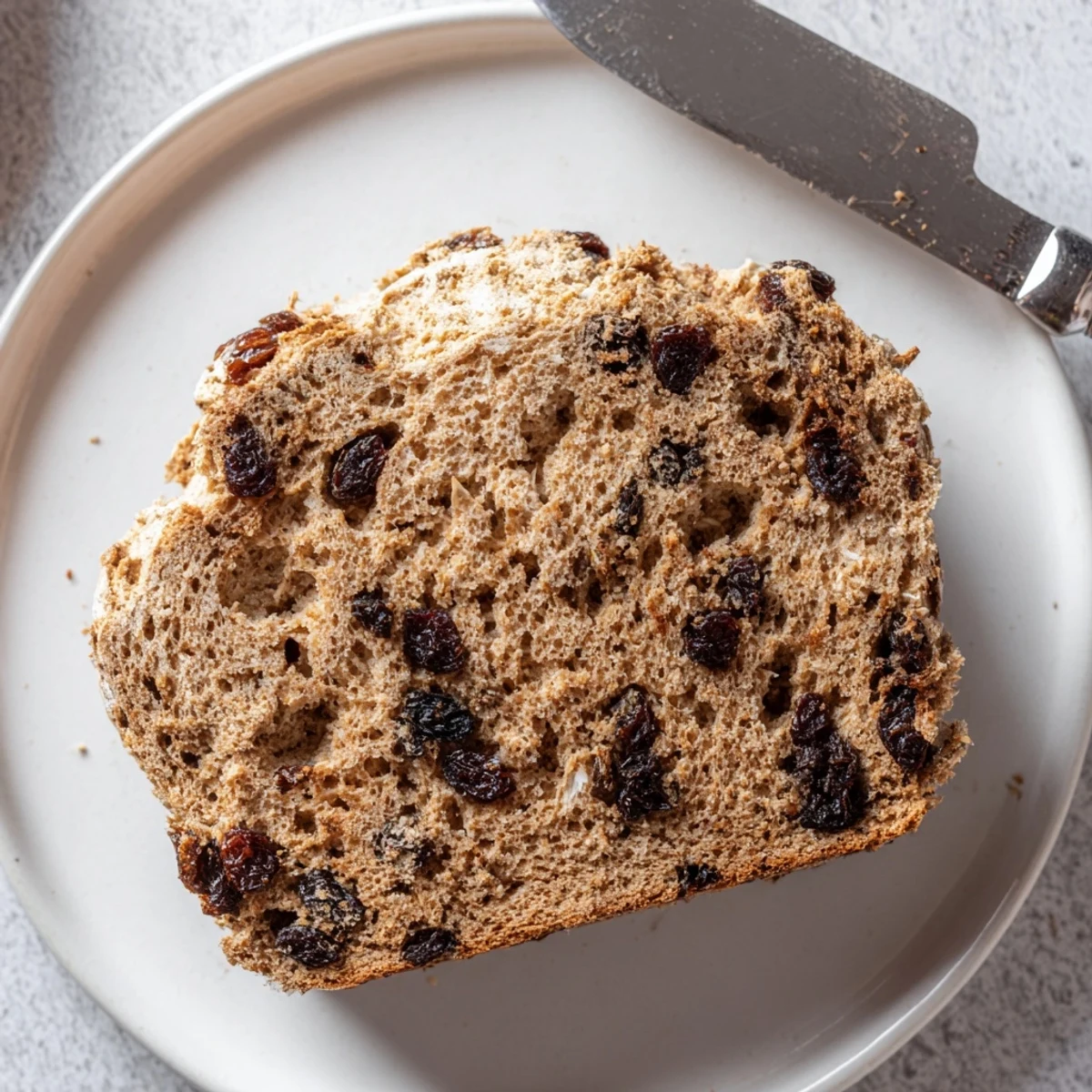
This bread shines when sliced thick, toasted until golden, and slathered with salted butter that melts into every warm crevice. I also love it for breakfast topped with lemon curd or alongside a hearty soup for dinner.
Storage And Freshness
Soda bread is best enjoyed the same day because it lacks preservatives and dries out faster than yeast breads. That said, I often bake it in the evening and wrap the cooled loaf in a clean kitchen towel to keep it reasonably soft for breakfast the next morning.
- Store any leftover slices in an airtight container for up to two days
- Revive slightly stale bread by sprinkling with water and warming in a 350°F oven for ten minutes
- Freeze individual slices wrapped tightly in plastic and thaw as needed for quick breakfasts
 Pin It
 There is something deeply satisfying about making bread that requires so little yet gives back so much warmth and comfort.
Recipe FAQs
- → What type of flour is used in this bread?
-
A combination of whole wheat and all-purpose flours provides a hearty and balanced texture.
- → How does the bread rise without yeast?
-
Baking soda reacts with the acidity in buttermilk, causing the dough to rise during baking.
- → Can dried currants be substituted?
-
Yes, raisins or other dried fruits can be used for a different flavor profile.
- → What is the purpose of the deep X cut on top?
-
Scoring the loaf allows steam to escape while baking and gives the bread its traditional appearance.
- → Are there dairy-free alternatives for this bread?
-
Plant-based milk with lemon juice or vinegar can replace buttermilk, and neutral oil can substitute for butter.