
 Pin It
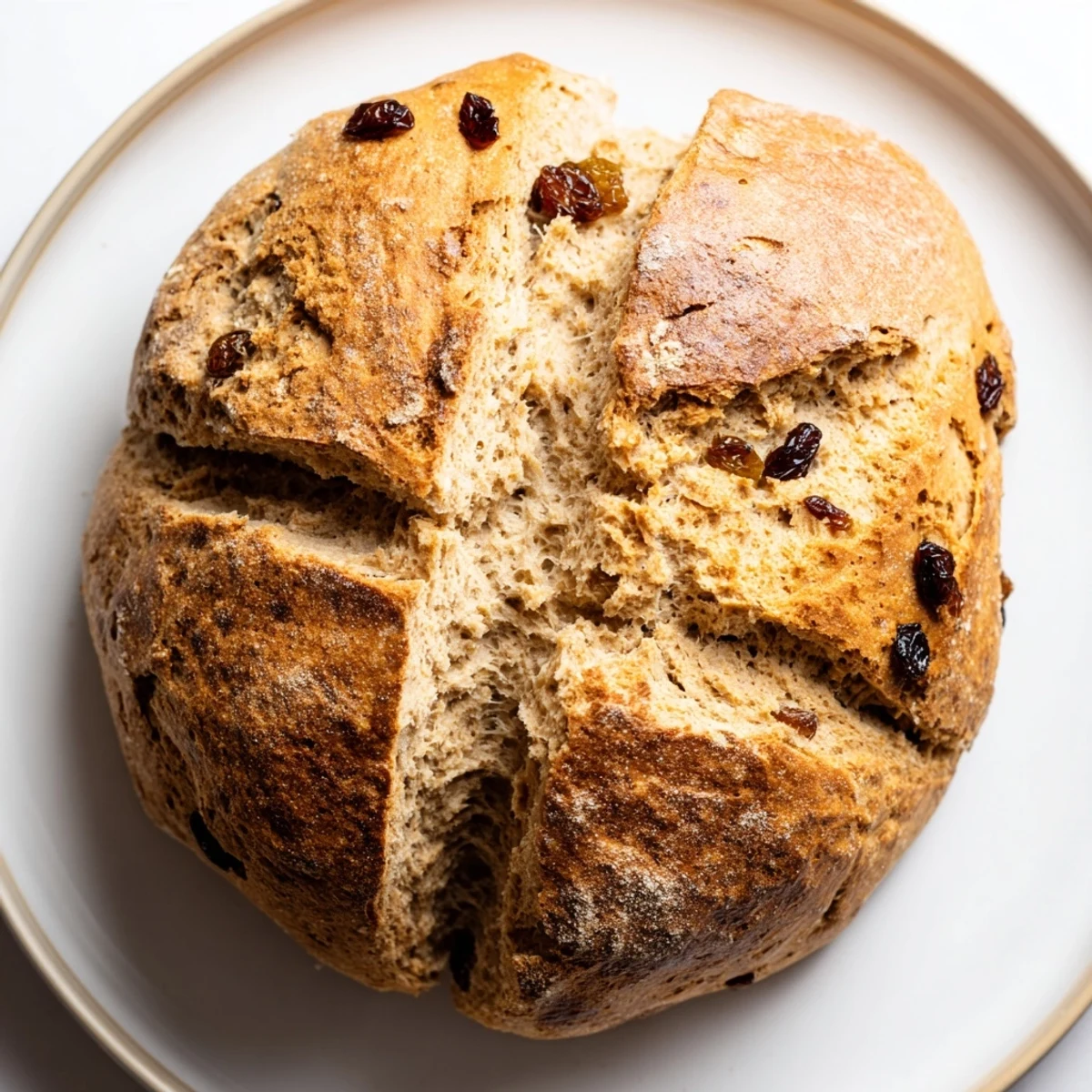
 This Irish soda bread combines whole wheat and all-purpose flours with baking soda and buttermilk for a tender crumb and classic tang. Sweet bursts of raisins add natural sweetness throughout. The dough is gently kneaded before forming a round loaf with a distinctive cross cut on top to help it rise evenly. A quick bake produces a golden crust with a hollow sound when tapped, signaling perfect doneness. Best enjoyed warm with butter, jam, or honey, it makes a hearty breakfast or afternoon treat. Variations can include caraway seeds or dried currants for added flavor.
The smell of buttermilk and wheat hit me around three in the afternoon, that strange hour when the kitchen feels too quiet and you need something to happen. I had promised myself I would not turn on the oven, but the raisins were staring at me from their jar, plump and patient, and the whole wheat flour was nearly at its expiration date. Some decisions make themselves.
I once made this for a friend who arrived unannounced during a rainstorm, her hair dripping onto my kitchen floor. She stood there wrapped in a towel I found in the laundry basket while the bread cooled on the counter, and we ate it warm with butter that melted completely into the crumb, neither of us speaking until the first slice was gone.
Ingredients
- Whole wheat flour: Brings a nutty depth that makes this feel like real bread, not cake pretending to be bread
- All-purpose flour: Lightens the texture so your jaw does not get a workout
- Baking soda: The only leavening, so check the expiration date or risk a dense brick
- Fine sea salt: Wakes everything up without announcing itself
- Granulated sugar: Just enough to balance the tang of buttermilk
- Raisins: Bursts of sweetness that surprise you in every other bite
- Buttermilk: The signature tang and the liquid that makes the soda fizz into action
- Unsalted butter: Melted into the dough and brushed on top for a soft, golden crust
Instructions
- Heat the oven:
- Set it to 400°F and line your baking sheet now, before your hands are covered in dough. The parchment paper will save you from scraping later.
- Mix the dry:
- Whisk the flours, soda, salt, and sugar until they look uniform. This is the moment to catch any baking soda clumps before they ruin someones bite.
- Coat the raisins:
- Toss them through the flour mixture so they distribute evenly instead of sinking to the bottom in a sugary cluster.
- Combine wet and dry:
- Pour the buttermilk and melted butter into the well you made. Stir with a wooden spoon until it looks messy and shaggy, which is exactly right.
- Gentle kneading:
- Turn it onto a floured surface and knead briefly, barely thirty seconds. Overworking is the enemy of tenderness here.
- Shape and slash:
- Form a round about seven inches across, place it on the sheet, and cut a deep X across the top. This helps it cook through and looks dramatic.
- Butter and bake:
- Brush with extra melted butter and bake until golden and hollow-sounding when tapped, about thirty-five to forty minutes.
- Cool properly:
- Wait at least thirty minutes on a wire rack. Cutting too soon steams the crumb into gumminess.
 Pin It
 My grandmother never wrote recipes down, but she made soda bread every Sunday without measuring. The first time I tried to replicate hers, I added caraway seeds because I remembered their faint licorice whisper in her kitchen. The bread was not the same, but the smell was close enough to make me stand still for a moment, holding the warm loaf like a small miracle.
What to Do With Leftovers
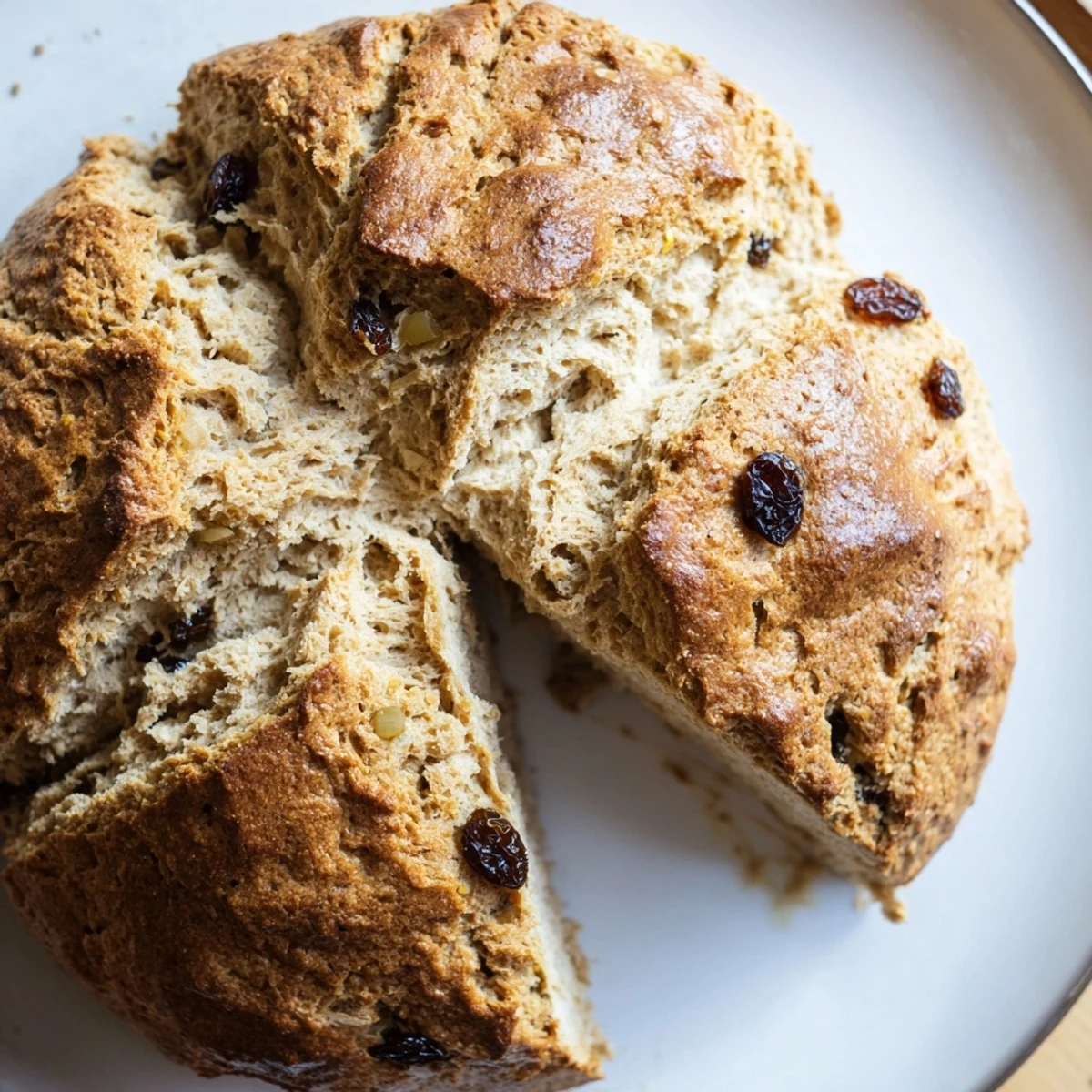
Day two bread wants to be toasted. The crumb firms up overnight, which sounds like failure but is actually an opportunity. Slice it thick, run it under the broiler until the edges char slightly, then spread with salted butter that catches in the raisins.
The Caraway Question
Some purists insist on caraway seeds, others call it an abomination. I keep them in a jar and decide based on mood and who is coming to eat. The seeds add an earthy complexity that works beautifully with sharp cheddar if you are serving this as part of a meal rather than a snack.
Morning After Notes
If you wrapped the loaf in a tea towel overnight and it seems slightly stale, do not apologize to anyone. Simply toast and serve with honey instead of jam, the thicker texture holds up better to the slow drip of good honey.
- Currants substitute cleanly for raisins if you prefer smaller bursts of sweetness
- Dried apricots chopped small bring a tart brightness that changes the whole character
- Always check your baking soda freshness by dropping a pinch in vinegar before starting
 Pin It
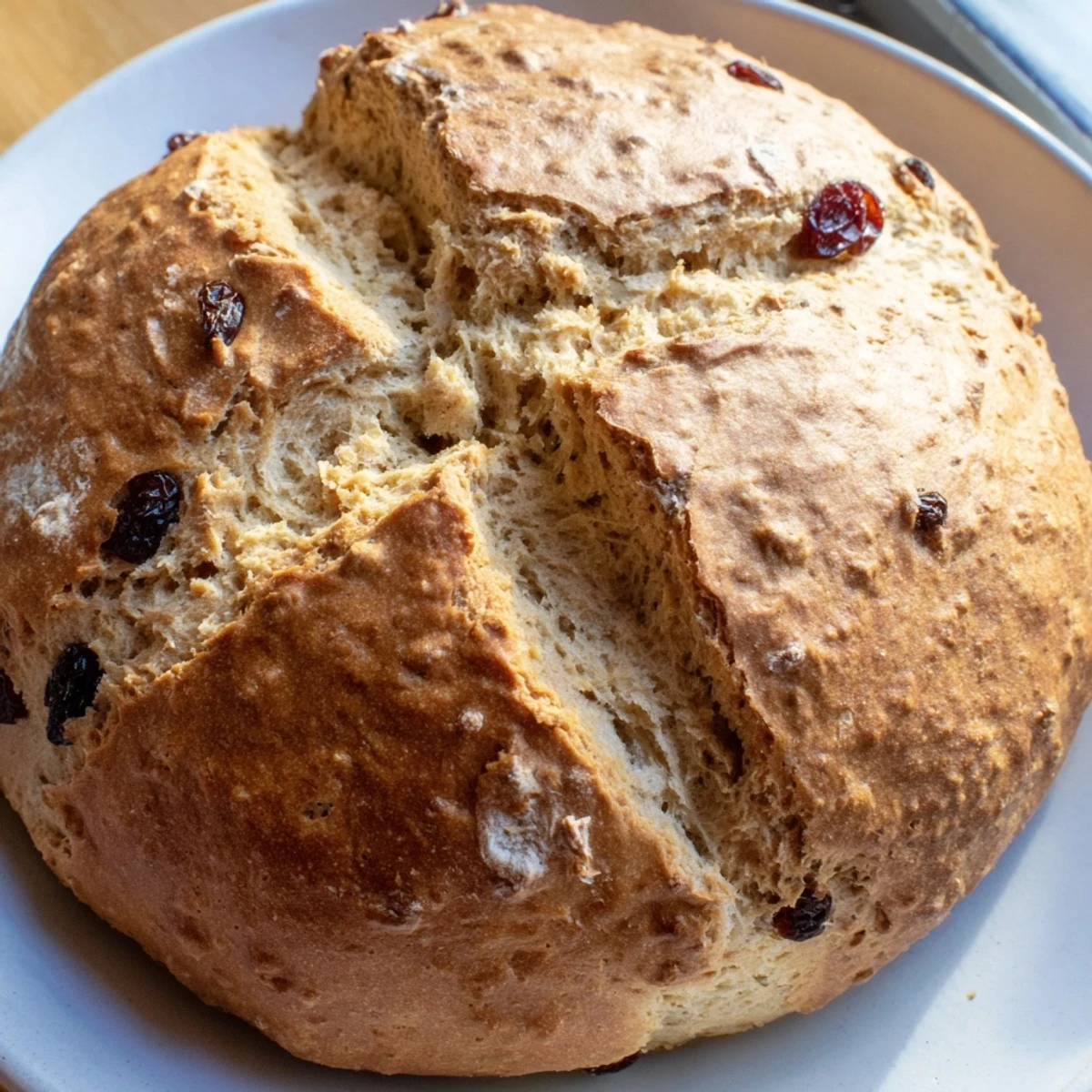
 However you slice it, this bread rewards the small effort with something that feels ancient and honest. Make it on a Tuesday when nothing special is happening, and watch it become the thing people remember about that ordinary day.
Recipe FAQs
- → What gives the bread its classic tang?
-
The tangy flavor comes from the buttermilk, which reacts with baking soda to leaven the bread and develop its characteristic taste.
- → How should the dough be handled during preparation?
-
The dough should be stirred until shaggy then gently kneaded for about 30 seconds to keep the crumb tender without overworking.
- → What is the purpose of the cross cut on top of the loaf?
-
Cutting a deep X on top helps the bread expand evenly while baking and creates the traditional appearance.
- → Can I substitute the raisins with other dried fruits?
-
Yes, dried currants or chopped apricots work well as alternatives, adding different textures and flavors.
- → How can I tell when the bread is done baking?
-
It should be golden brown on the outside and sound hollow when tapped on the bottom, indicating it’s fully baked inside.
- → Is this bread suitable for those avoiding animal products?
-
No, since it contains buttermilk and butter, it is not vegan but fits a vegetarian diet.